

Products are selected by our editors, we may earn commission from links on this page.
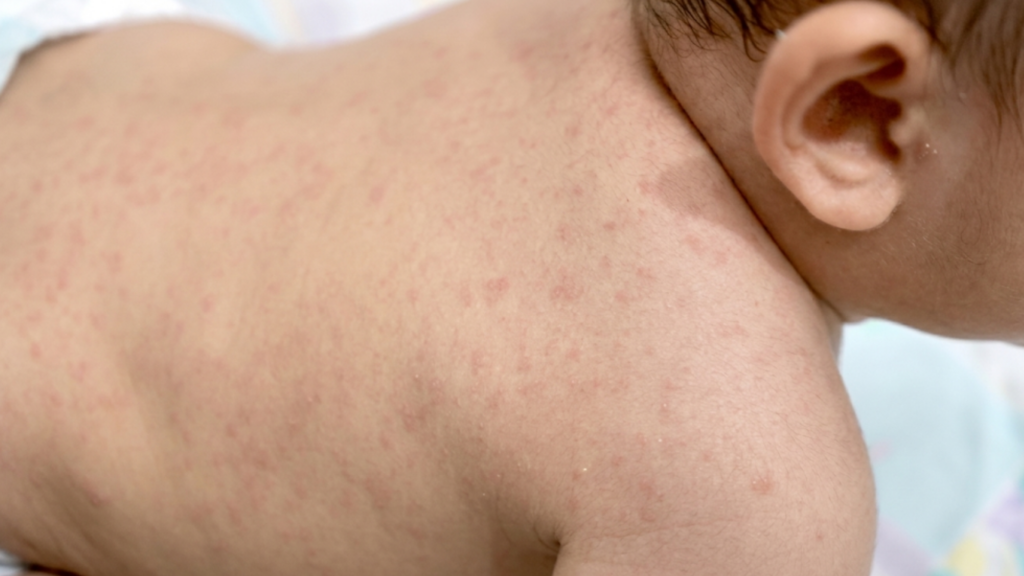
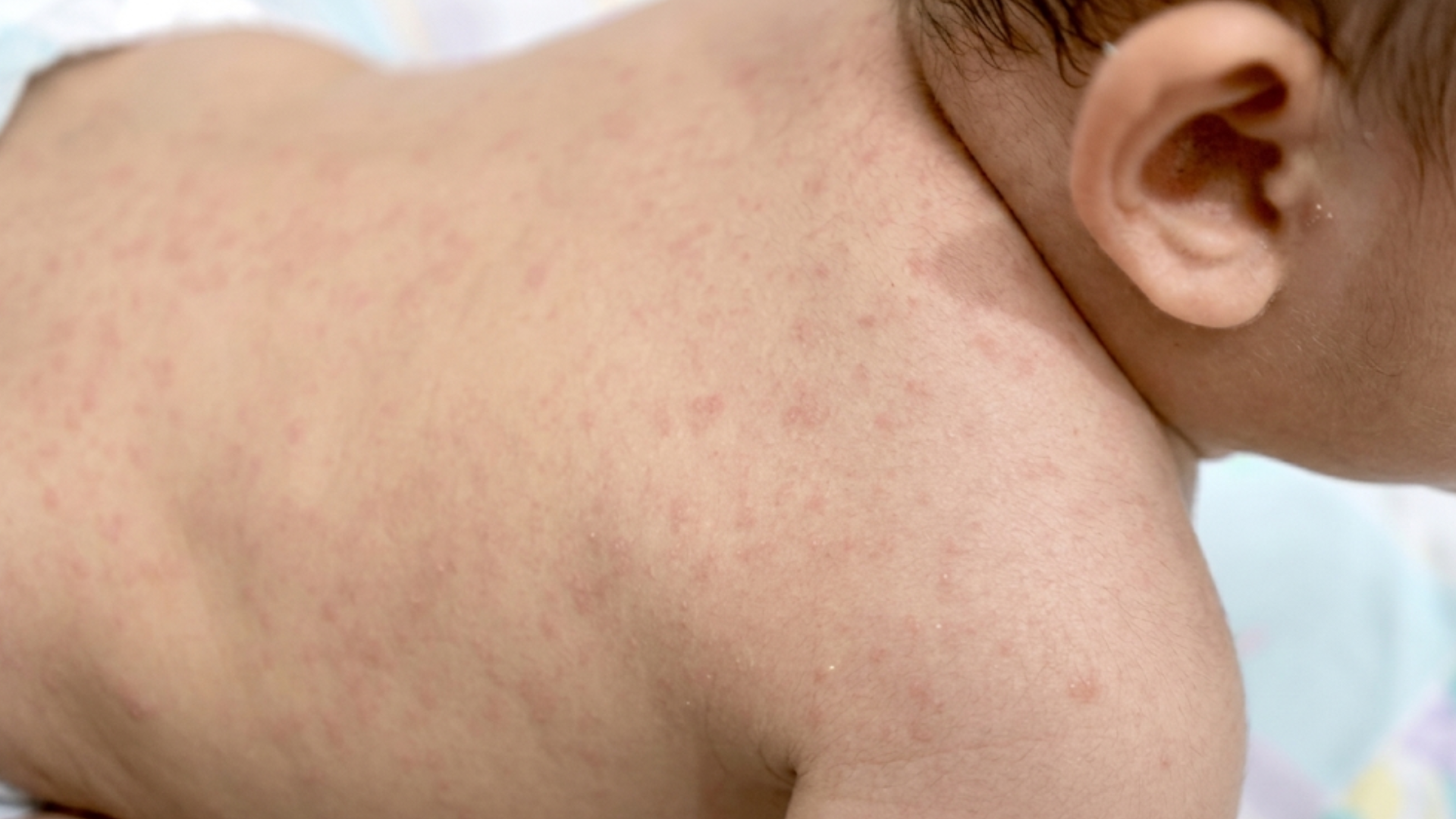
The United States declared measles eliminated in 2000, meaning it no longer spread here on its own. This month, officials announced three measles deaths in four days. On Nov. 5, Wisconsin said an infant had died amid an outbreak in the southwest part of the state. New York and Pennsylvania had reported deaths earlier that week. Wisconsin had not recorded a measles death since 1990. That is a gap of 36 years.
Wisconsin’s outbreak is the largest the state has seen in decades. The Department of Health Services (DHS) counted 431 cases in 13 counties as of Nov. 3, the most in more than 35 years. Nine people have been hospitalized. The coroner listed measles as the infant’s immediate cause of death. DHS shared no other details to protect the family. “Any death of a child is a tragedy,” DHS Secretary Kirsten Johnson said.
Wisconsin’s was the third measles death announced in four days. New York and Pennsylvania had each reported one earlier that week. In all three places, officials were already fighting large outbreaks. The victims were an infant, a child and a Pennsylvania resident. Officials released few other details. All three states urged residents to check their vaccine records and make sure they are up to date.
Deaths in New York and Pennsylvania Came Days Before Wisconsin’s, in States Already Fighting Large Outbreaks
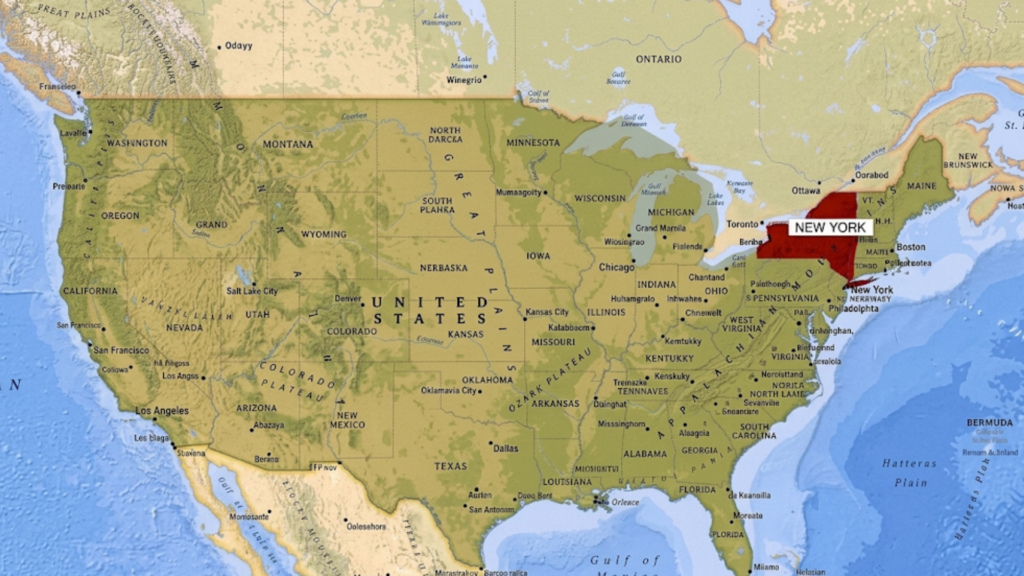
New York’s death is the state’s first from measles in more than 30 years. The New York State Department of Health and Lewis County Public Health announced it on Monday, Nov. 2. The child lived in Lewis County, in the state’s north. Officials did not share the child’s age. County records show all 15 confirmed cases there by mid-October were in unvaccinated people. New York had 178 cases statewide as of Oct. 24.
Pennsylvania has recorded six measles-associated deaths this year, the most of any state. On Wednesday, Nov. 4, the state confirmed the latest: an unvaccinated Jefferson County resident who tested positive for measles. It is the county’s second. A death counts if it happens within 30 days of symptoms and a positive test. Pennsylvania has 1,467 cases in 45 counties, and 283 people have been hospitalized. Officials gave no more details, citing privacy.
Not every death is counted the same way. As of Nov. 6, state health departments had reported eight deaths this year, but the CDC had confirmed four. The CDC says it is working with state disease experts on a shared definition. By Nov. 13, its list had grown to six, and it says the number may change. National totals can lag state reports.
U.S. Measles Cases Have Passed 5,400, More Than Double All of 2025
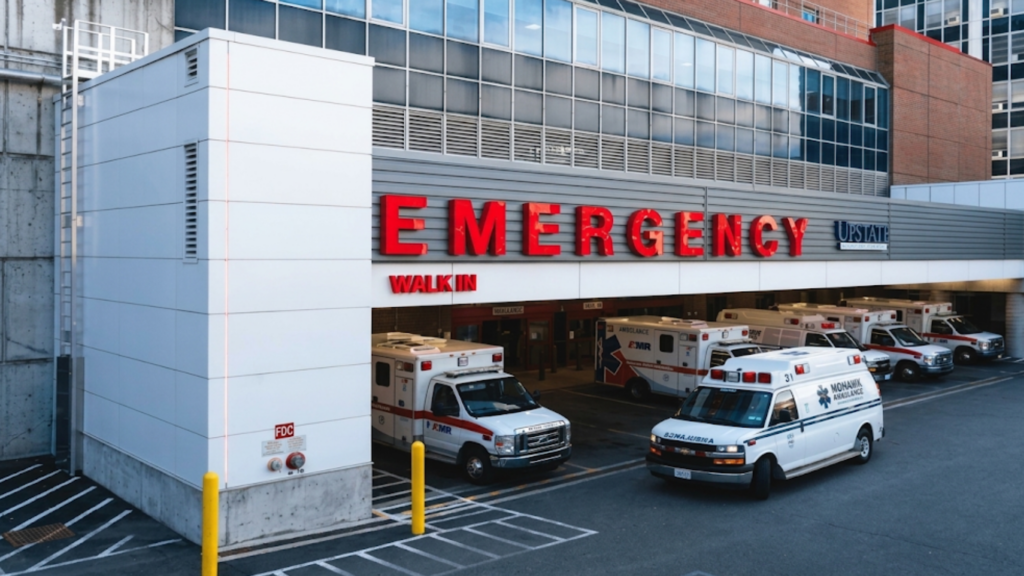
U.S. measles cases are at their highest level in 35 years. The CDC counted 5,412 confirmed cases as of Nov. 12, with cases in 45 states. That is more than twice the 2,289 cases in all of 2025. In 2024, there were only 285. From 2000 to 2024, the country averaged about 180 cases a year. The last year with more cases than 2026 was 1991, with 9,643.
Children and teens carry most of the burden. CDC data from Nov. 5 show that children under 5 make up 18% of cases, and ages 5 to 19 make up 41%. Together, that is about 59% of all cases. At least 562 people, about one in nine, have needed hospital care. The CDC estimates about 1 in 5 unvaccinated people who get measles will need hospital care.
Measles spreads fast, which is why one case can become an outbreak. The virus moves through the air when a person coughs or sneezes, and stays infectious for up to two hours. Touching a contaminated surface, then your face, can also spread it. Symptoms start seven to 14 days after contact: fever, cough, runny nose and watery eyes. The CDC links 96% of 2026 cases to outbreaks, which grow where too few people are protected.
Babies Are Too Young for the Shot, So Their Safety Depends on Everyone Around Them

Vaccination rates have slipped below the level that stops outbreaks. About 95% of people in a community need protection to keep measles from spreading. Among kindergartners, two-dose coverage of the MMR (measles, mumps and rubella) vaccine fell from 95.2% in 2019-20 to 92.4% in 2025-26, CDC data show. Two doses are about 97% effective. In 2024-25, the gap left roughly 286,000 kindergartners unprotected.
Babies depend on the people around them for protection. Wisconsin officials say the first MMR dose usually comes at age 1. In an outbreak, Dr. Ryan Westergaard, DHS chief medical officer, said “there’s a benefit to providing that protection earlier.” Earlier this year, Pennsylvania reported two infant deaths in Lancaster County, both too young to be vaccinated. Their safety rested on everyone else.
These three deaths sit at the end of a long, quiet slide, not a sudden break. The country stopped home-grown measles spread in 2000 by keeping vaccination high. Kindergarten coverage has since fallen from 95.2% to 92.4%. A drop of under three points sounds small. Cases then climbed from 285 in 2024 to more than 5,400 this year. The families in Wisconsin, New York and Pennsylvania are living with the result.
Disclaimer: This article is for general information only and is not medical advice. Talk to a doctor or local health department about vaccines and measles risk.