


Products are selected by our editors, we may earn commission from links on this page.

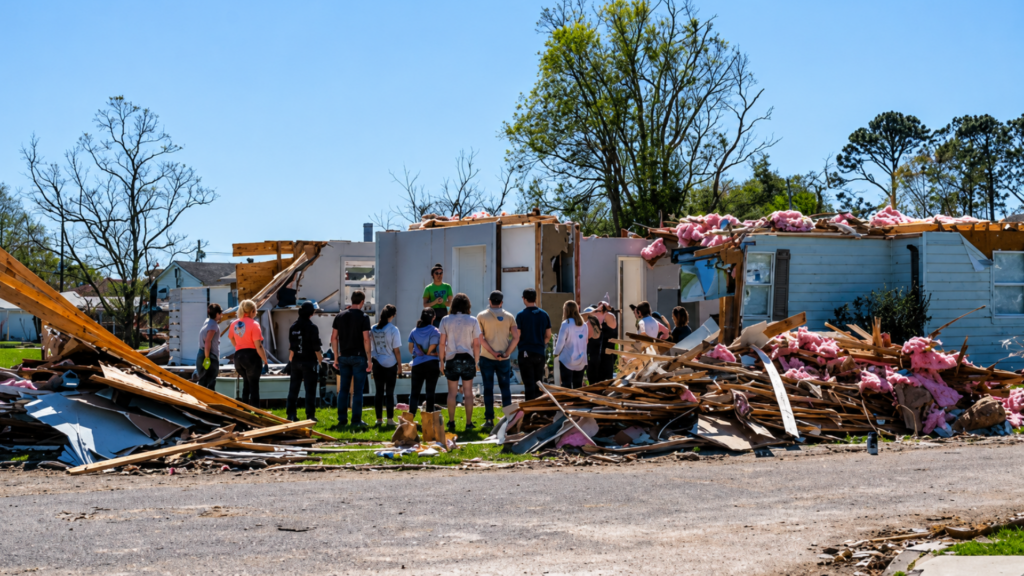
Chris and Analia DeHayes survived a hurricane. Their bank turned out to be the harder disaster to survive. Two years after Hurricane Helene flooded their Ruskin, Florida home, the couple is still dealing with fallout that has nothing to do with wind or water. A six-figure insurance check got stuck in limbo for over a year. What followed cost them their retirement savings and a painful tax bill nobody warned them about.
The Insurance Check Was Never Fully Theirs to Begin With

Flood insurance is supposed to be the safety net after a storm like this. The DeHayes family had coverage through FEMA’s National Flood Insurance Program, which caps residential payouts at $250,000. Because they still had a mortgage, their insurer made the check out to both the couple and their lender, Chase Bank. That arrangement is standard practice across the mortgage industry. It also handed Chase real control over money the DeHayes family desperately needed.
One Payment Came Fast. The Rest Took Over a Year.

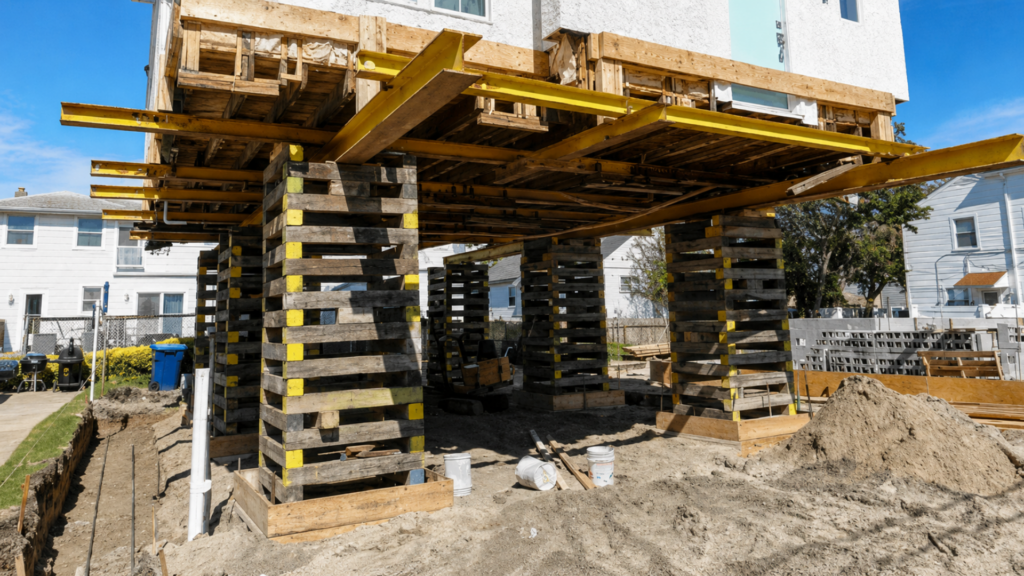
Chase released some of the money right away, then sat on the rest. The bank handed over $141,000 fairly quickly but held back nearly $100,000 for more than a year. Meanwhile, construction on the damaged home kept moving forward, with costs already higher than expected because the house had to be raised under a federal flood rule. A stalled bank transfer does not pause a construction bill.
Retirement Savings Became Emergency Construction Money Overnight

With cash running short and contractors waiting to be paid, the DeHayes family turned to their retirement account. They ended up withdrawing almost $250,000 from their 401(k) just to keep the rebuild going. That decision was not made out of greed or poor planning, it was made because a bank was sitting on money that already belonged to them. Retirement savings became emergency construction funds almost overnight.
A $250,000 Withdrawal Comes With a Tax Bill Attached
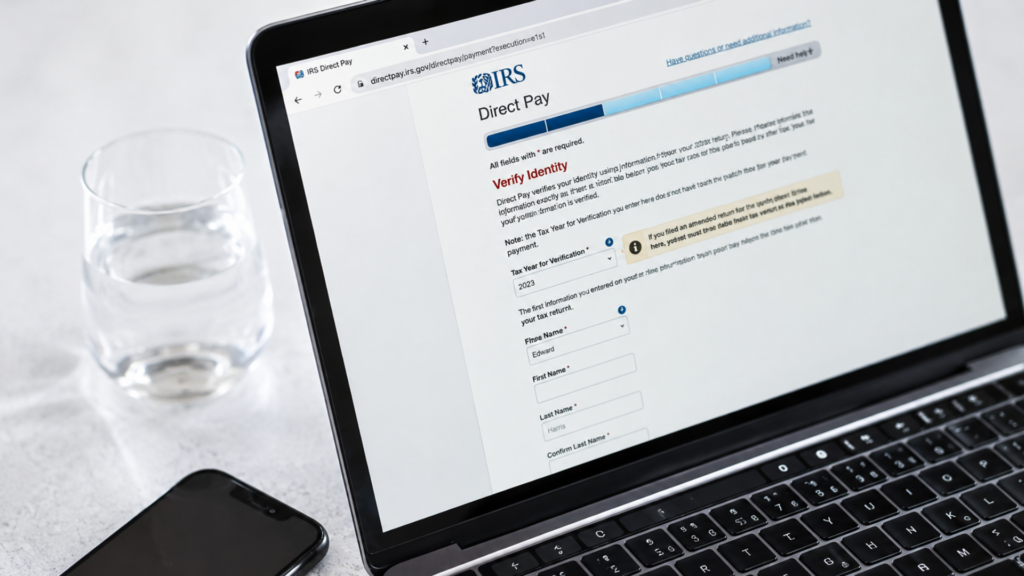
Emptying a 401(k) early comes with consequences that outlast the crisis that caused it. Under IRS rules, withdrawals like this count as ordinary income in the year they are taken, which can push a household into a much higher tax bracket. For a withdrawal this large, a significant portion could land in the 35% federal tax bracket. If either spouse is under 59 and a half, an extra 10% early withdrawal penalty applies too.
“An Absolute Nightmare,” in the Homeowner’s Own Words

Chris DeHayes did not mince words describing the ordeal. According to Chris, “Chase has made this an absolute nightmare.” The couple also lost access to a Small Business Administration disaster loan they had already been approved for, since its terms required the full insurance payout before releasing funds. Chase’s delay quietly closed off a second financial lifeline at the exact moment the family needed one most.
The Bank Didn’t Break Any Rules. That’s the Problem.

None of this happened because Chase broke the rules, it happened because the rules favor the bank. Standard mortgage agreements let lenders hold insurance funds in escrow and release them in stages, tied to inspections that confirm repairs are actually happening. The DeHayes family says Chase scheduled and canceled those inspections repeatedly over the course of a year. They also submitted more than 90 documents trying to get the funds unlocked.
An Attorney Says Banks Are “Benefiting Two Ways”
Florida attorney David Murray, who handles insurance disputes, says homeowners have little recourse in situations like this. According to Murray, banks holding insurance funds are “benefiting two ways,” earning interest on the money they are holding while still collecting interest on the homeowner’s mortgage balance. California passed a law in 2025 requiring lenders to pay at least 2% annual interest on funds held this way. Florida currently has no similar requirement.
A Federal Rule Made the Rebuild Even More Expensive
A federal flood rule made this entire situation more expensive than it needed to be. Because the DeHayes home sits in a flood hazard area and repair costs passed a certain threshold, FEMA’s Substantial Improvement rule required the house to be elevated to meet current flood codes. Raising a small home typically costs around $150,000, and larger homes can run past $1 million. That single requirement is what pushed the family toward their retirement account in the first place.
A News Camera Did What a Year of Calls Couldn’t

The money finally moved only after a television station started asking Chase questions. Within a day of being contacted by reporters, Chase completed a virtual inspection and released the remaining $100,000 the family had been owed. The check arrived, but the tax bill and the drained retirement account did not disappear along with it. For homeowners facing similar delays, advocacy groups like United Policyholders maintain resources to help navigate insurer and lender disputes before a crisis compounds this far.