

Products are selected by our editors, we may earn commission from links on this page.
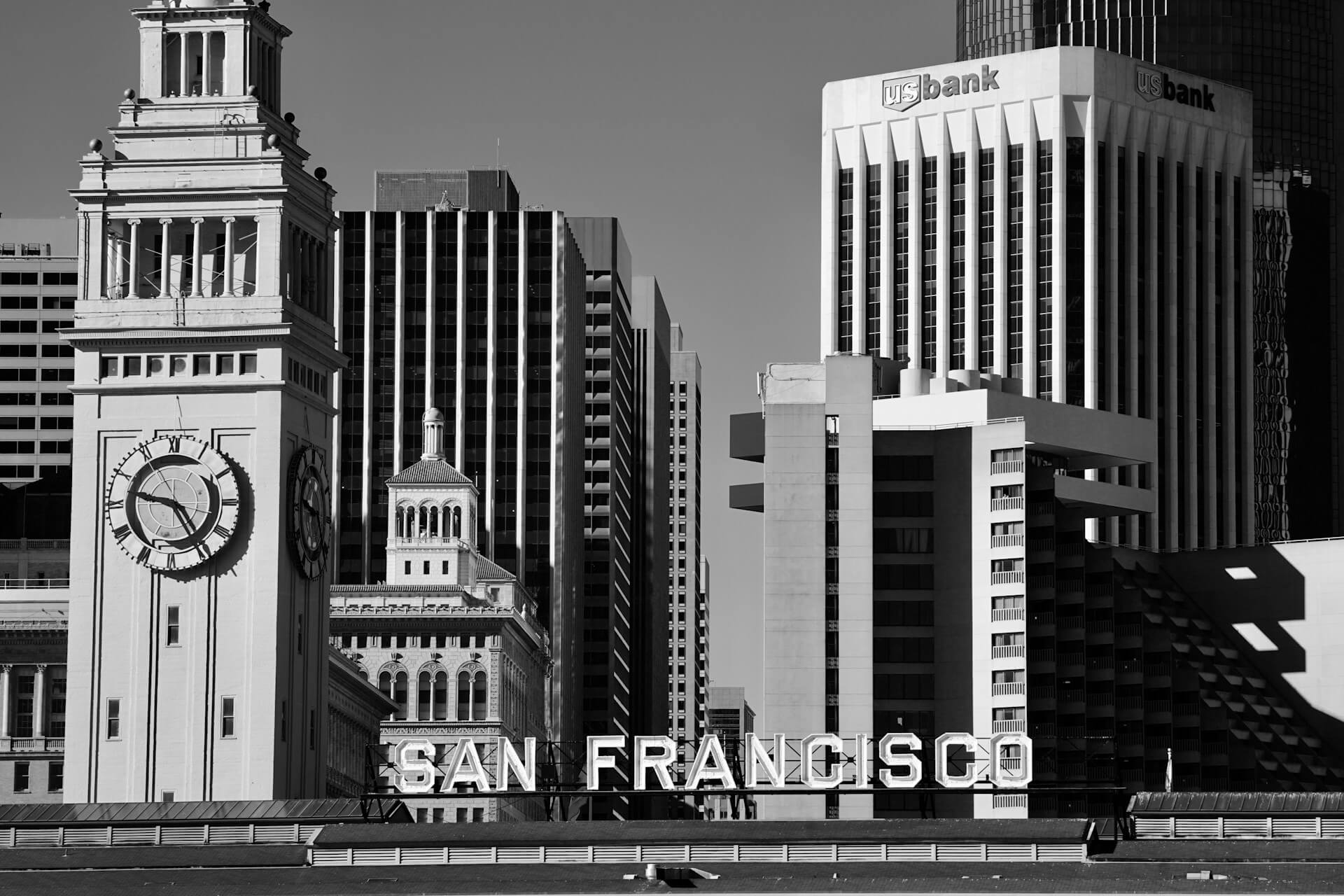
San Francisco, once the crown jewel of tech and retail, is facing its sharpest downturn in decades. A $558 million mall default, rising vacancies, and the flight of more than 150 companies signal a city in flux. From Nordstrom to Chevron, the mass departure is reshaping not just downtown — but the city’s identity itself.
The Spark That Lit the Downturn

The unraveling began in 2023, when Nordstrom shuttered its downtown flagship after 35 years, citing “dramatic changes” in the market. Months later, Westfield defaulted on a $558 million loan, sending shockwaves through the business community. The closures revealed how quickly the city’s commercial core could crumble when confidence — and foot traffic — disappeared.
Westfield’s $558 Million Default

Once valued at $1.2 billion, the San Francisco Centre mall is now worth less than $200 million. Its occupancy plunged from 96% to 7% as anchor tenants like Nordstrom and Bloomingdale’s exited. Westfield’s decision to hand the property back to lenders symbolized the broader retail collapse and the fading allure of downtown shopping.
The Mass Departure: 20 Major Brands Gone
The list of companies leaving reads like a who’s who of corporate America: Whole Foods, Old Navy, Twitter (X), Salesforce, Google, Tesla, Oracle, Chevron, Charles Schwab, and more. Since 2018, at least 156 corporate headquarters have left the Bay Area, draining billions in business activity and thousands of high-paying jobs.
Tech’s Great Retreat

Even San Francisco’s tech titans are shrinking their footprint. Salesforce, Uber, Meta, and Dropbox have shed half their local office space — a combined drop from 16 million to just 8.3 million square feet. Hybrid work, once a pandemic experiment, has become a permanent reset, leaving glass towers half-lit and downtown eerily quiet.
Chevron’s Texas Move: A Symbol of Change

When Chevron announced it was relocating its headquarters to Houston, executives cited California’s high operating costs and business regulations. Calling the state a “tough place to do business,” Chevron’s move underscored a growing trend: legacy companies seeking tax-friendly states and lower overhead without abandoning their California consumer markets.
The Domino Effect on Real Estate

Office vacancy has climbed to 34.5%, while Union Square retail occupancy has dipped below 22%. One downtown tower recently sold for 75% below its 2020 price. With collapsing property values, San Francisco risks shrinking its tax base — a blow that could further weaken city services and infrastructure.
More Than a Crime Story

Though headlines often cite crime and homelessness, experts argue the reality is broader. Analysts from CBRE note the shift is driven by hybrid work, retail overexpansion, and cost pressures — not just safety concerns. The city’s challenges are structural, not moral, reflecting how modern work patterns have redrawn the urban map.
What Still Anchors the City

Despite the gloom, opportunity persists. AI and clean-tech startups are quietly filling vacated offices at bargain prices. PwC projects new firms could occupy up to 12 million square feet by 2030. With lower rents and an unmatched talent pool, San Francisco could evolve into a leaner, innovation-focused hub once again.
Rethinking the Future
San Francisco’s exodus marks both an ending and a beginning. The city that built the digital age is now forced to reinvent itself — from retail magnet to experimental metropolis. Whether it rebounds depends on adaptability and imagination. Reinvention has always been the Bay Area’s story; this time, it may be its lifeline.