


Products are selected by our editors, we may earn commission from links on this page.

Anna Sorokin arrived in New York City in 2013 with nothing but ambition and an invented identity. Born near Moscow in 1991, she transformed herself into Anna Delvey, a supposed German heiress with a multimillion-dollar trust fund. Through fake bank documents and carefully crafted lies, she infiltrated Manhattan’s elite social circles, convincing everyone from hotel managers to wealthy art collectors that she was the real deal.
From Small Town Russia to Paris Fashion

Before the glamour, Anna Sorokin lived an ordinary life near Moscow. Her father worked as a truck driver before advancing to executive positions, while her mother ran a convenience store. The family moved to Germany when Anna was 16. A Paris internship at Purple magazine changed everything, introducing her to exclusive parties and influential people who sparked her obsession with high society.
Creating Anna Delvey

During her time in Paris, Sorokin adopted the name Anna Delvey for reasons she never fully explained to anyone, including her parents. The new identity allowed her to reinvent herself completely. When she transferred to Purple’s New York office, she began telling people her family wealth came from oil, technology, or solar energy, changing the story depending on her audience.
The Foundation That Never Was
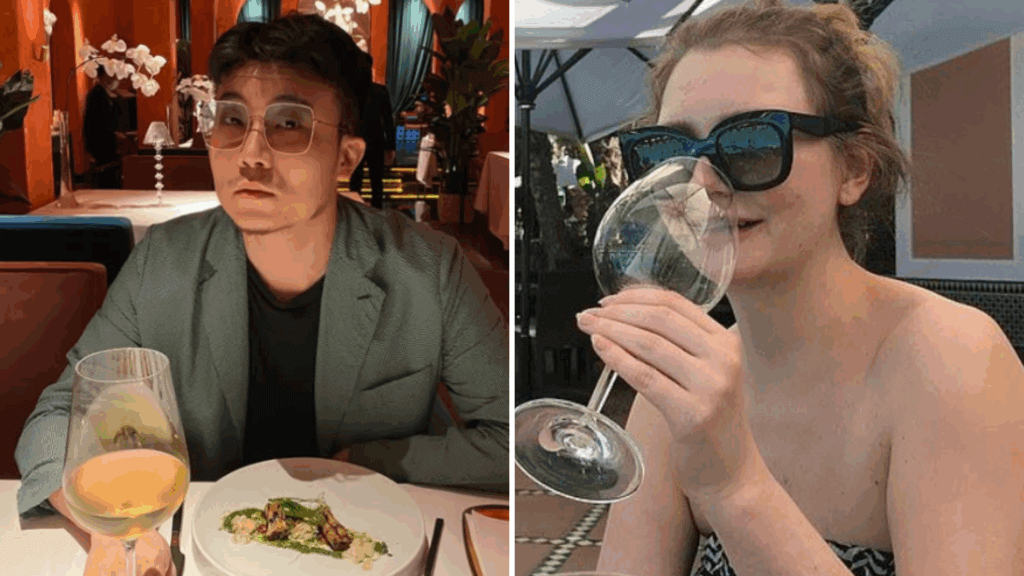
Delvey’s most ambitious scheme was the Anna Delvey Foundation, a proposed private members club and art space she claimed would transform New York’s cultural landscape. She pitched the concept to prominent figures in the art world, including millionaire collector Michael Xufu Huang. The foundation required a building, investors, and millions of dollars, all of which she attempted to secure through elaborate deception.
Banking on Lies
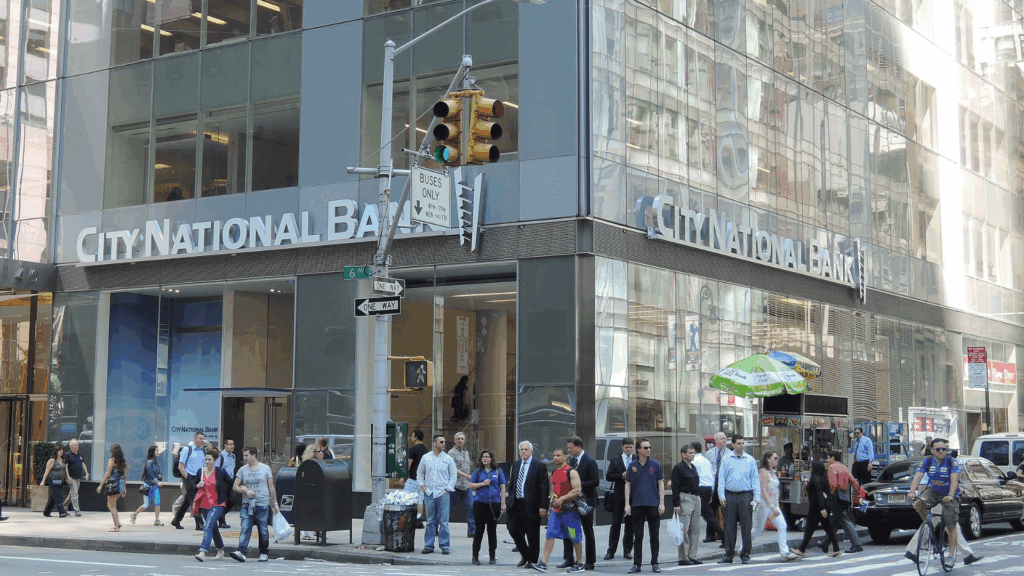
To fund her lifestyle and the foundation, Delvey targeted financial institutions with forged documents claiming she had millions in Swiss bank accounts. She successfully obtained a $100,000 loan from City National Bank and $70,000 from Citibank. She also attempted to secure $22 million from banks using fake wire transfer confirmations and manufactured financial statements that convinced loan officers, at least initially.
Living Beyond Reality

Delvey stayed at New York’s most expensive hotels, including the exclusive 11 Howard in SoHo, often running up bills exceeding $30,000 without paying. She wore designer clothes, handed out $100 tips, and hosted elaborate dinners at upscale restaurants. This extravagant lifestyle was financed entirely through fraud, bad checks, and convincing friends to cover bills she promised to repay but never did.
The Grift Takes Form
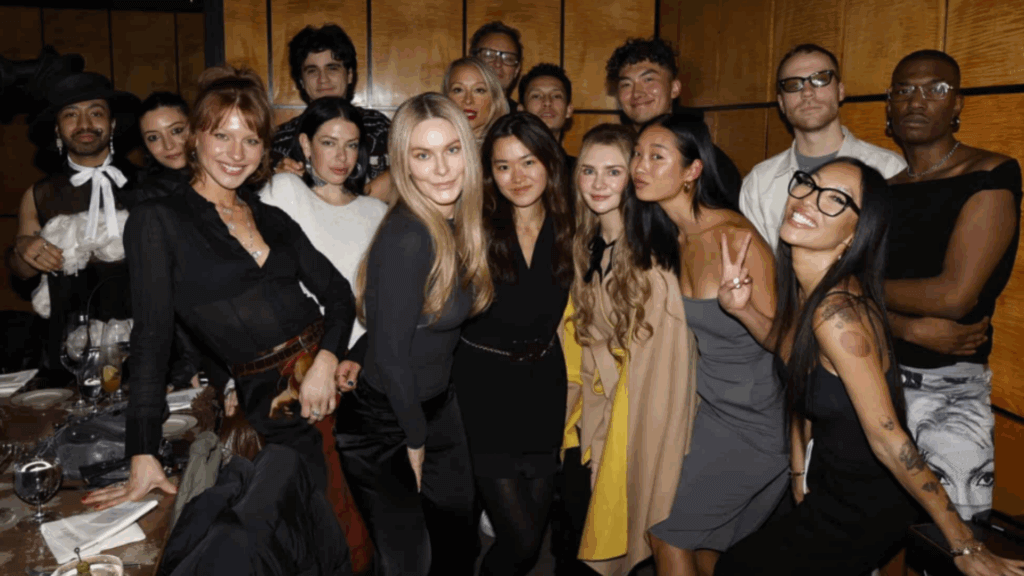
Her method was simple but effective: invite friends to expensive dinners or shopping trips, claim her cards weren’t working, promise immediate reimbursement, then invent reasons why her money was temporarily inaccessible. Many victims carefully tracked what she owed, expecting eventual payment. Instead, they received endless excuses about overseas accounts, wire transfer delays, and banking complications that sounded plausible from an heiress.
The Fateful Morocco Trip
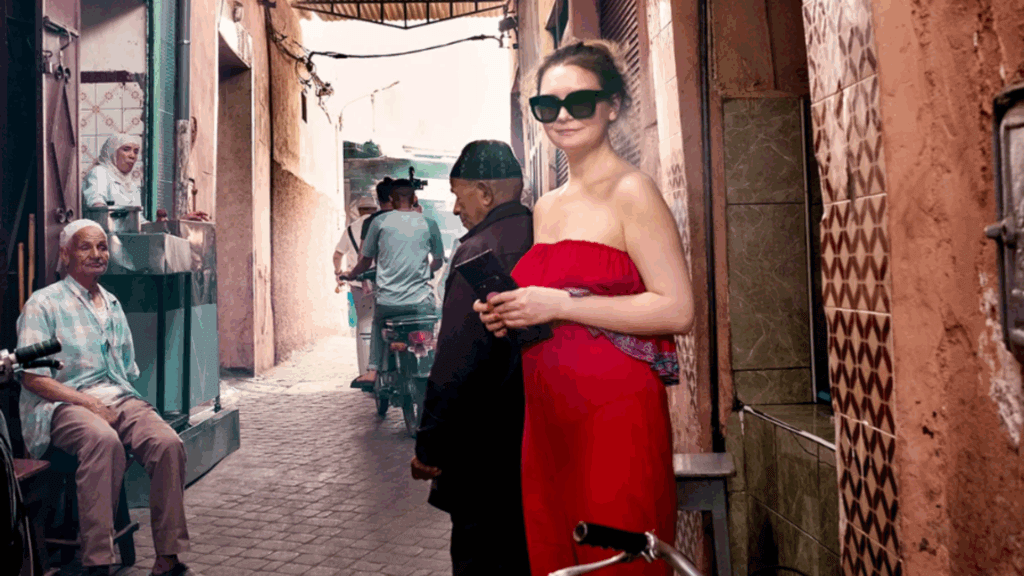
In May 2017, Delvey invited three companions on an all-expenses-paid luxury vacation to Marrakech, Morocco. The group included Rachel DeLoache Williams, a Vanity Fair photo editor, celebrity fitness trainer Kacy Duke, and videographer Jesse Hawk. They stayed at La Mamounia, one of the world’s most prestigious hotels, costing $7,000 per night, where everything seemed perfect until Delvey’s credit cards mysteriously stopped working.
Sixty-Two Thousand Dollar Betrayal
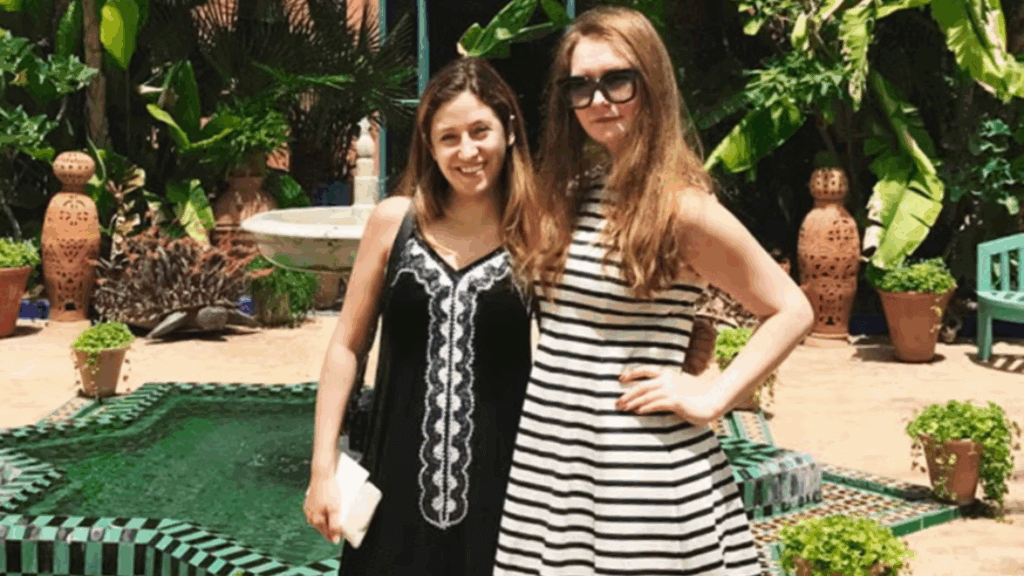
When La Mamounia’s managers demanded payment, Delvey convinced Williams to use her personal and corporate credit cards temporarily, claiming her overseas accounts were inaccessible. Williams reluctantly agreed, accumulating $62,000 in charges that exceeded her annual salary. The bill included accommodations, meals, a $1,600 private tour of Yves Saint Laurent’s gardens, and various luxury expenses throughout their stay.
The Unraveling Begins

After returning to New York, Williams desperately tried to get reimbursed while struggling to pay rent and basic bills. Delvey offered excuse after excuse about wire transfers and banking issues. Williams experienced panic attacks and sleepless nights as collection agencies called. Meanwhile, unpaid hotel bills across Manhattan mounted as the Beekman Hotel, W Hotel, and others evicted Delvey for failing to pay tens of thousands in charges.
The Sting Operation
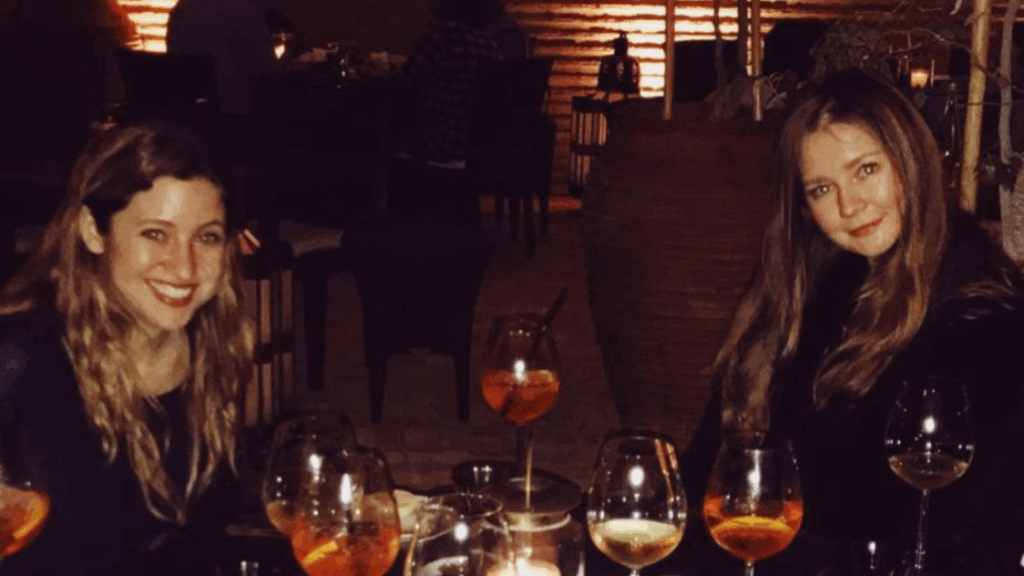
By July 2017, Delvey was essentially homeless, jumping between hotels and restaurants while dodging creditors. Williams, realizing she’d been conned, went to the police, who organized a sting operation. They lured Delvey to a lunch meeting in Los Angeles, where she was arrested in October 2017. The Manhattan District Attorney’s office had been building a case against her for months, gathering evidence of bank fraud and theft.
Trial and Conviction

In April 2019, after spending 19 months at Rikers Island jail, Delvey stood trial facing eight counts including grand larceny, attempted grand larceny, and theft of services. Prosecutors presented overwhelming evidence of forged documents, unpaid bills totaling hundreds of thousands of dollars, and testimony from victims. Despite her attorney’s argument that she was simply an ambitious entrepreneur, the jury found her guilty on multiple counts.
Justice and Restitution

The court sentenced Delvey to four to 12 years in state prison and ordered her to pay approximately $200,000 in restitution to victims. Interestingly, the jury acquitted her of stealing from Williams, though Williams’ credit card company eventually forgave most of her debt. Delvey was released in February 2021 after serving two years, but freedom was short-lived as immigration authorities immediately detained her for visa violations.
The Netflix Deal

While incarcerated, Delvey sold the rights to her story to Netflix for over $320,000, money that went directly to paying her victims and legal fees. Shonda Rhimes created the series Inventing Anna, starring Julia Garner, which became Netflix’s most-watched show the week it premiered in February 2022. The series reignited public fascination with Delvey’s audacity and the psychological complexity of her cons.
Rachel Williams Speaks Out
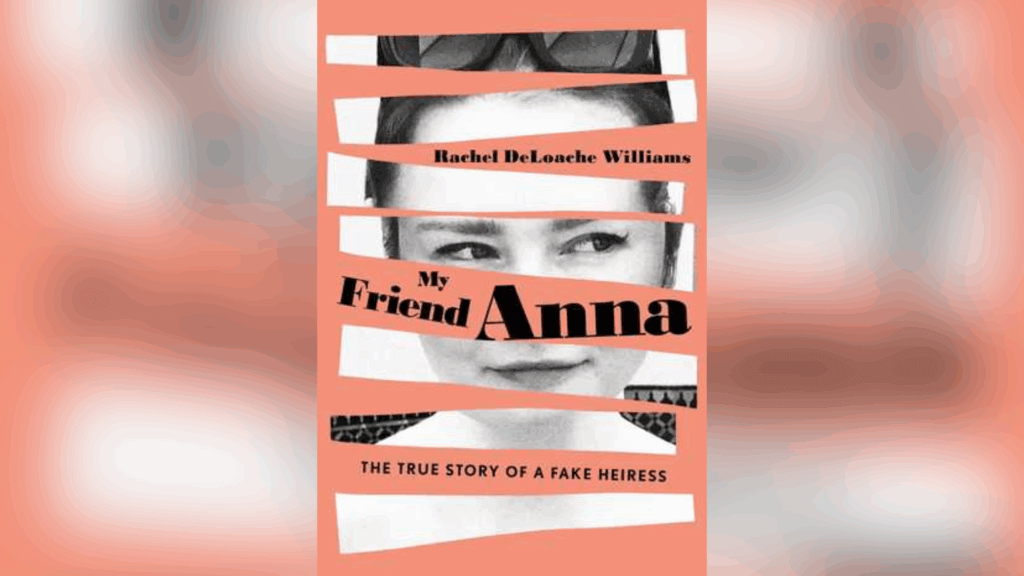
Williams wrote a bestselling memoir titled My Friend Anna: The True Story of a Fake Heiress, detailing her traumatic experience. She received $35,000 from HBO for adaptation rights and approximately $300,000 for her book deal with Simon & Schuster. Williams later criticized Netflix, arguing the series rehabilitated Delvey’s image and effectively ran publicity for a convicted con artist, making her wealthy and famous.
House Arrest and Social Media
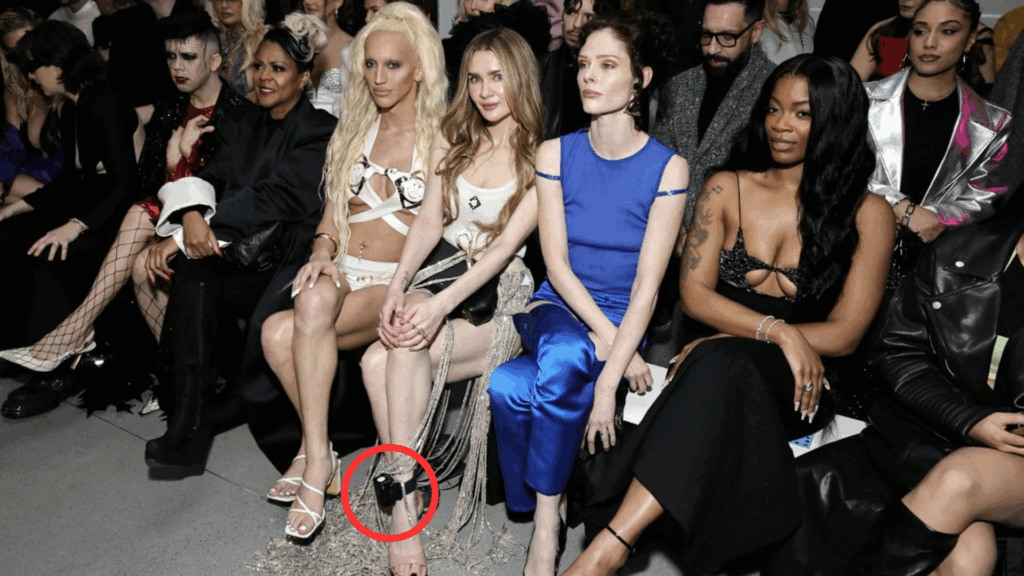
In October 2022, after 19 months in immigration detention, Delvey was released on $10,000 bail to house arrest with electronic monitoring. She was initially barred from social media but has since maintained active accounts, collaborated with celebrities like Julia Fox and Paris Hilton, and attended New York Fashion Week events. She’s created art, sold NFTs, and signed deals for reality television and podcasts.
Dancing with the Stars
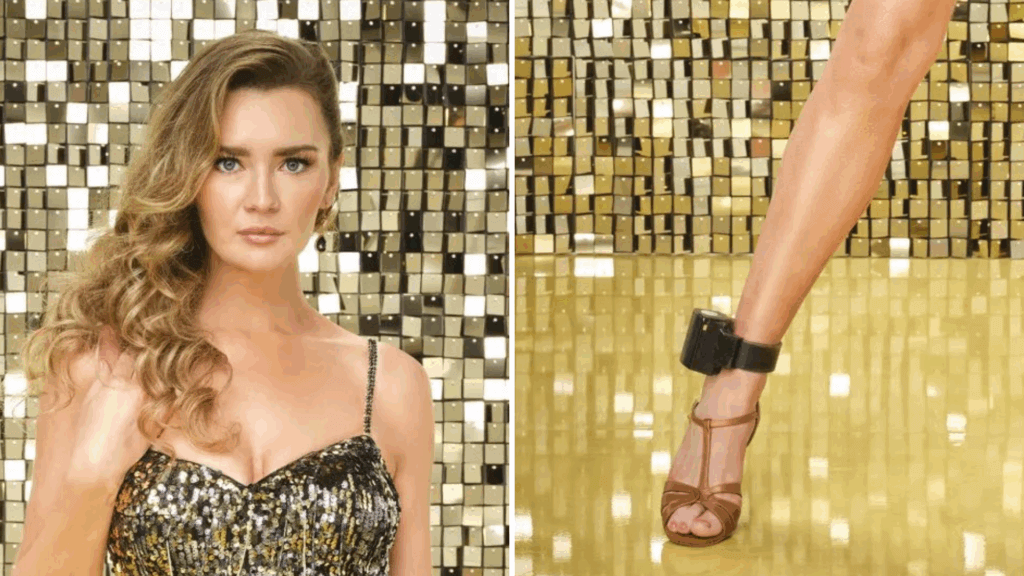
In an unexpected twist, Delvey appeared on Season 33 of Dancing with the Stars, granted special permission by Immigration and Customs Enforcement to participate. She performed while wearing her ankle monitor, visible proof that despite her newfound celebrity status, she remained under government supervision while fighting deportation to Germany. The appearance sparked controversy about rewarding criminal behavior with entertainment opportunities.
Cultural Phenomenon
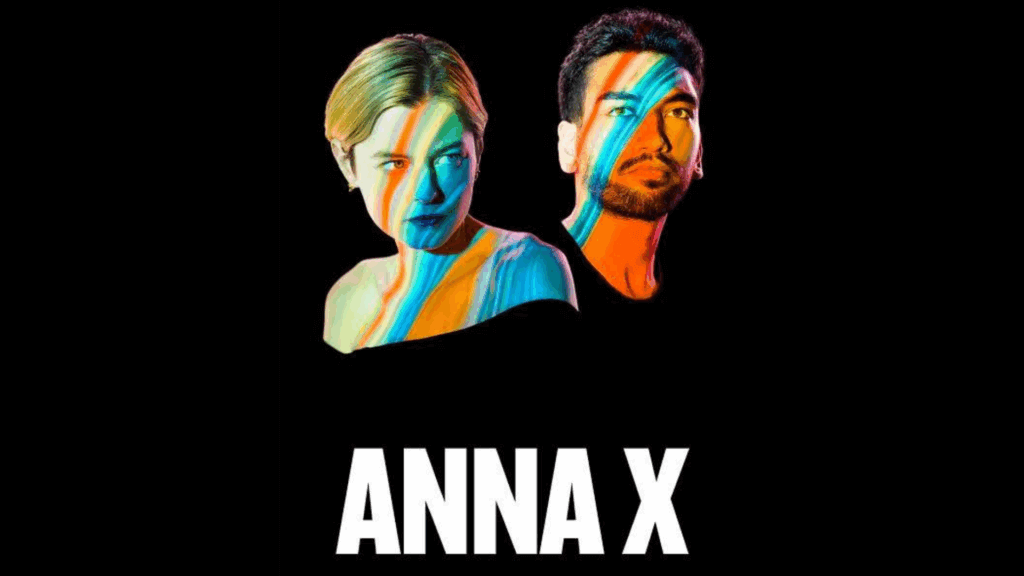
Beyond Netflix, Delvey’s story inspired the play Anna X starring Emma Corrin, BBC Radio 4’s drama-documentary Fake Heiress, and HBO Max’s Generation Hustle documentary series. She’s become a cultural touchstone for discussions about wealth, authenticity, and America’s fascination with con artists. Her ability to transform criminal notoriety into celebrity status raises questions about how society rewards audacity regardless of morality.
The Ongoing Story
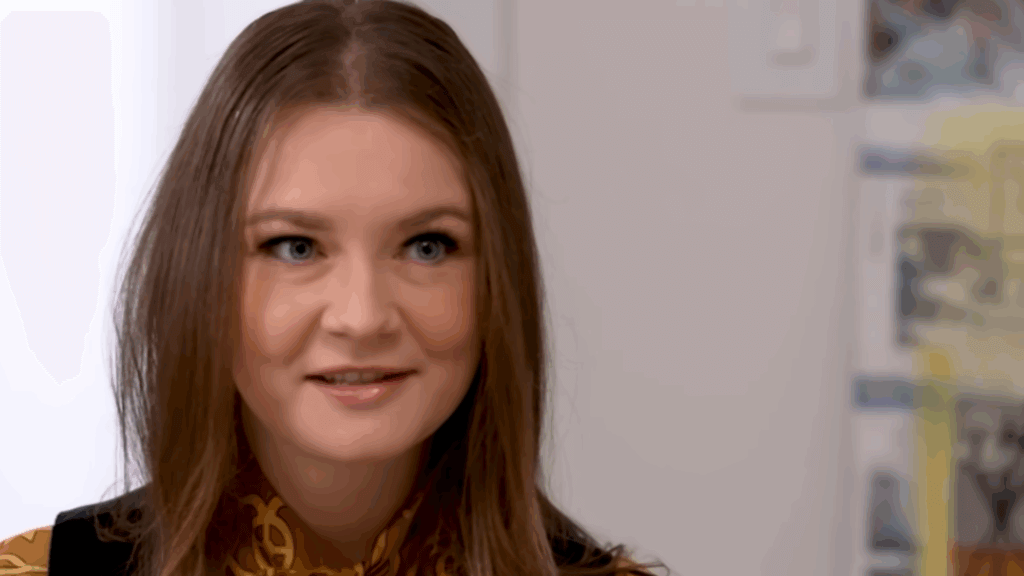
As of late 2024, Delvey continues fighting deportation while building her brand through collaborations, appearances, and business ventures. She’s signed with Bunim/Murray Productions for future projects, including reality shows and books. Her story remains a cautionary tale about authenticity, privilege, and the American dream twisted into a nightmare of fraud, yet she’s somehow transformed infamy into a second act that keeps captivating audiences worldwide.
Legacy of Deception

Anna Delvey’s con succeeded because she understood that New York’s elite social circles often value appearance over substance. By projecting confidence, spending lavishly with other people’s money, and telling people what they wanted to hear about wealth and connections, she exploited fundamental assumptions about class and privilege. Her victims weren’t foolish; they simply couldn’t imagine someone would construct such an elaborate lie.