

Products are selected by our editors, we may earn commission from links on this page.
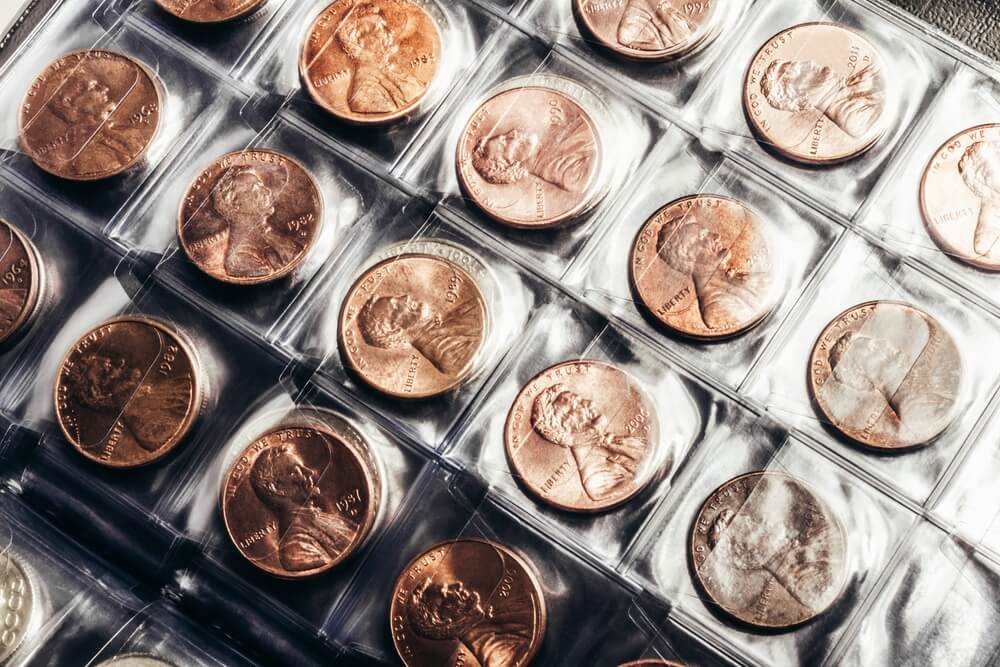
As the United States approaches its 250th anniversary in 2026, Americans are beginning to see that milestone reflected in an unexpected place: their spare change. The U.S. Mint has officially started circulating redesigned coins as part of the Semiquincentennial Circulating Coin Program, marking the nation’s founding from 1776 to 2026.
Unlike limited-edition collectibles that often stay behind glass, these coins are meant to be handled, spent, and shared. Mint officials say the goal is to allow everyday Americans to interact with the country’s history through objects already woven into daily life, from quarters and dimes to nickels and half dollars.
The program was authorized by Congress and signed into law in 2021, setting the stage for a one-year redesign across several denominations. For many, it is the first major redesign they will encounter since the Bicentennial coins of the 1970s, making the release both symbolic and widely accessible.
What’s New About the 250th Anniversary Coins
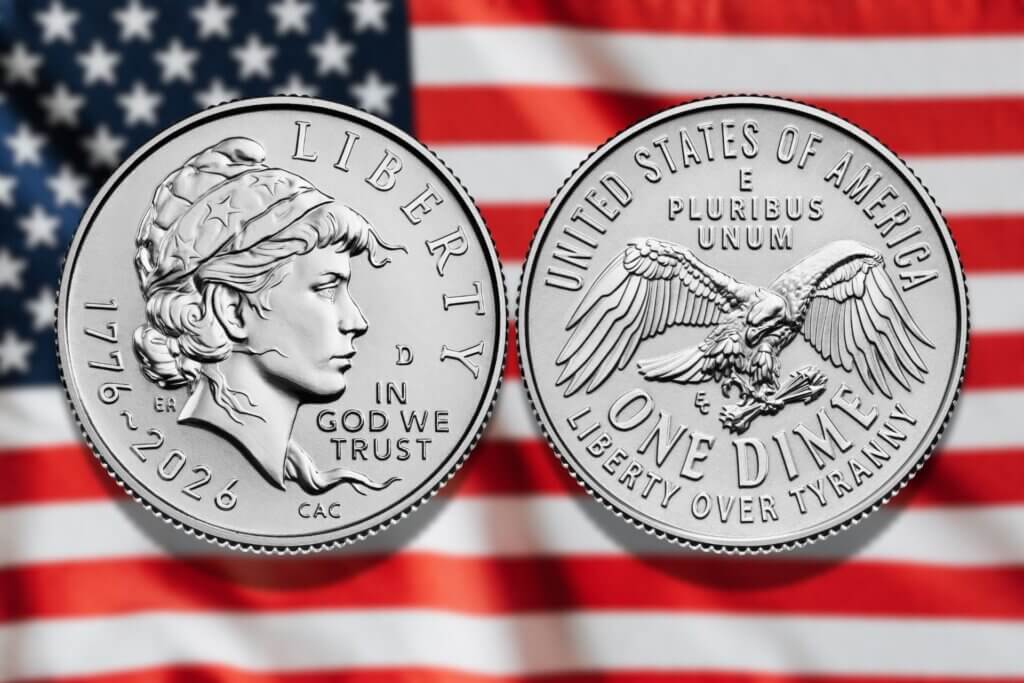
The redesigned coins feature dual dates — “1776 ~ 2026” — and imagery tied directly to foundational moments in U.S. history. The quarter series includes five rotating designs, highlighting themes such as the Mayflower Compact, the Revolutionary War, the Declaration of Independence, the U.S. Constitution, and the Gettysburg Address.
Other circulating coins have also been updated. The dime features a refreshed Liberty design, while the nickel and half dollar receive temporary design changes for the anniversary year. All of the coins were developed through the Mint’s formal review process, which includes input from the Citizens Coinage Advisory Committee and the U.S. Commission of Fine Arts before final approval by the Treasury Secretary.
Mint officials have emphasized that these coins are legal tender, not novelty items. They will circulate alongside standard coinage throughout 2026, with production reverting to previous designs in 2027. Collectible versions, including proof and uncirculated sets, are also available directly from the U.S. Mint.
Why the Designs Are Generating Debate

While the rollout has been largely celebratory, the designs have sparked discussion online — particularly on Reddit — about what federal law allows on U.S. coinage. Some users questioned whether the inclusion of certain portraits would violate long-standing restrictions against depicting living individuals.
Reddit commenters pointed to 31 U.S.C. § 5112, noting that prohibitions on living persons primarily apply to specific coin series and paper currency. Others clarified that the Semiquincentennial coins fall under a different statutory subsection, which restricts portraits on the reverse of coins but does not impose a blanket ban on obverse imagery for this program.
Legal experts and numismatic historians note that while tradition has generally avoided living figures on coins, the law itself is more nuanced. The debate reflects broader public interest in how commemorative programs balance history, symbolism, and statutory limits — an issue Congress has revisited repeatedly as coin programs have expanded over time
A Small Object With a Long View of History

Beyond design debates, the circulating coins are intended to serve a larger purpose: connecting modern Americans to 250 years of shared history. By placing these symbols into everyday transactions, the Mint hopes the anniversary will feel less abstract and more tangible.
Historians note that commemorative coins have long been used to mark national milestones, though Congress has also periodically scaled back such programs to avoid oversaturation and public confusion. The Semiquincentennial effort reflects lessons learned from earlier eras, emphasizing limited duration and broad public access rather than mass collectible sales.
Whether saved as keepsakes or spent without a second glance, the new coins quietly mark a rare national anniversary. For a brief moment, history passes from hand to hand, a reminder that the country’s next chapter is built on the same everyday exchanges that carried it through the last 250 years.