

Products are selected by our editors, we may earn commission from links on this page.
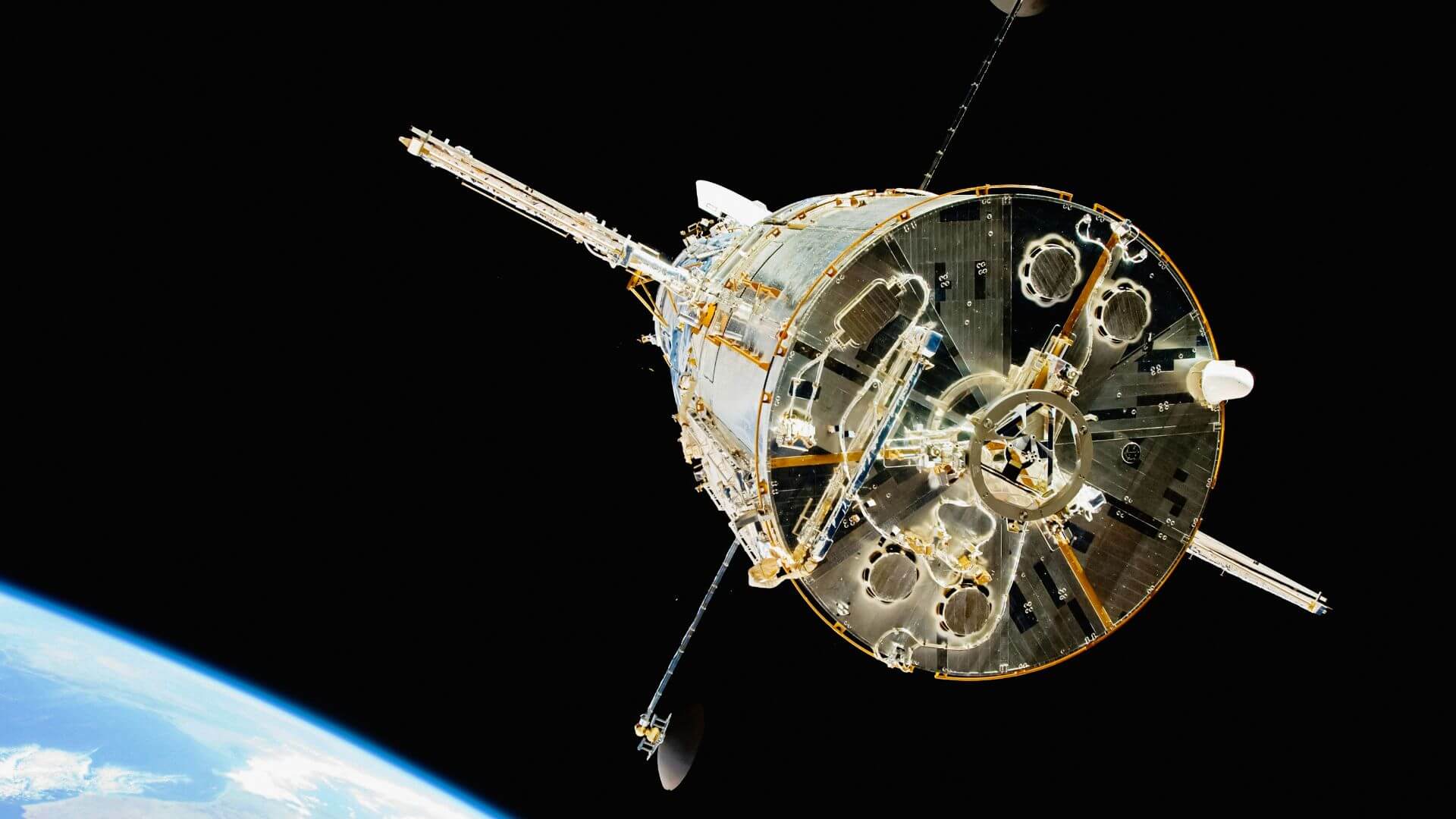
Something unexpected happened high above the planet, and it didn’t stay there as long as planned. A retired NASA spacecraft dropped back toward Earth earlier than forecasts suggested, so people began watching its descent and considering whether any part could make it through the atmosphere intact.
Van Allen Probe A Reentry Timeline
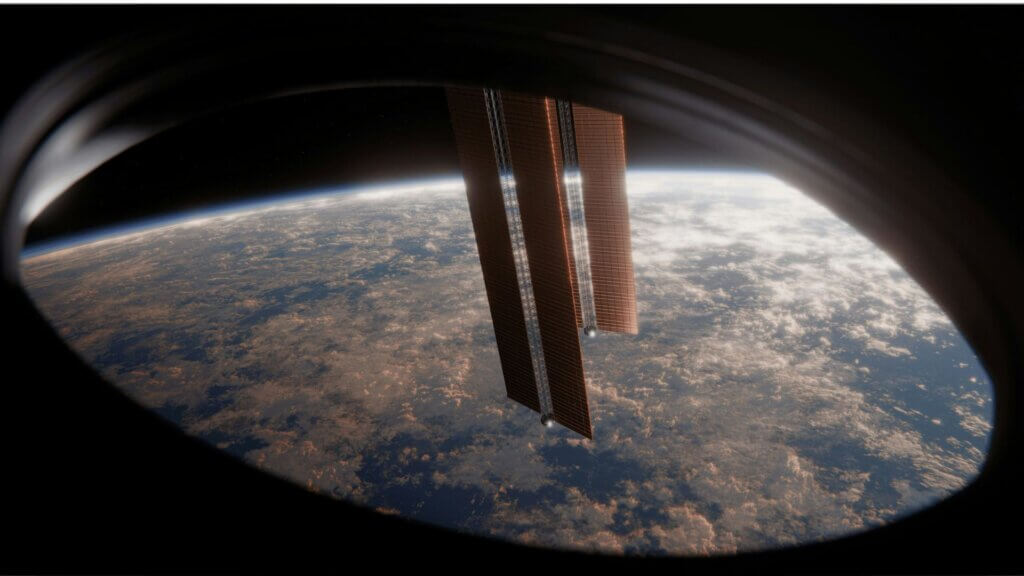
Van Allen Probe A left orbit early Wednesday morning, and it continued descending until it reentered at 6:37 a.m. ET over the Pacific. That path followed years of gradual orbital decay, which began after the mission ended in 2019 and fuel supplies ran out.
Debris Risk Estimates And Human Safety
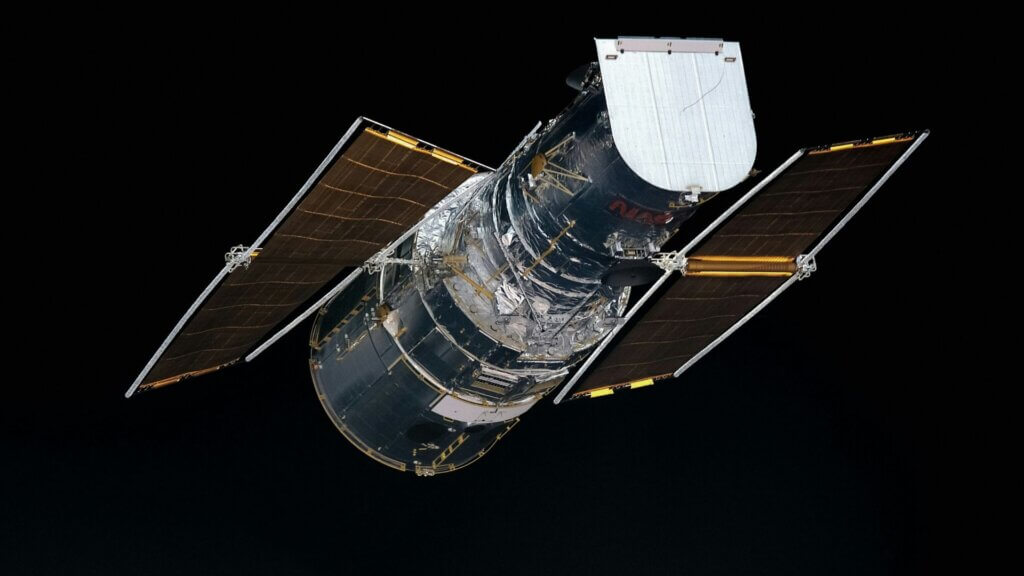
NASA estimated the risk of debris striking a person at 1 in 4,200. That figure reflects past reentry patterns where objects reached the surface without causing injury. Monitoring continued as the spacecraft descended, with attention on whether any fragments could survive the heat.
Comparison With Past Space Debris Events

Earlier reentries offer a point of reference as agencies assess each event. China’s Tiangong-1 drew global attention in 2018, with estimates placing human impact risk far below one in a trillion, and that outcome reinforced how rarely debris leads to harm.
Mission Purpose Inside Earth’s Radiation Belts
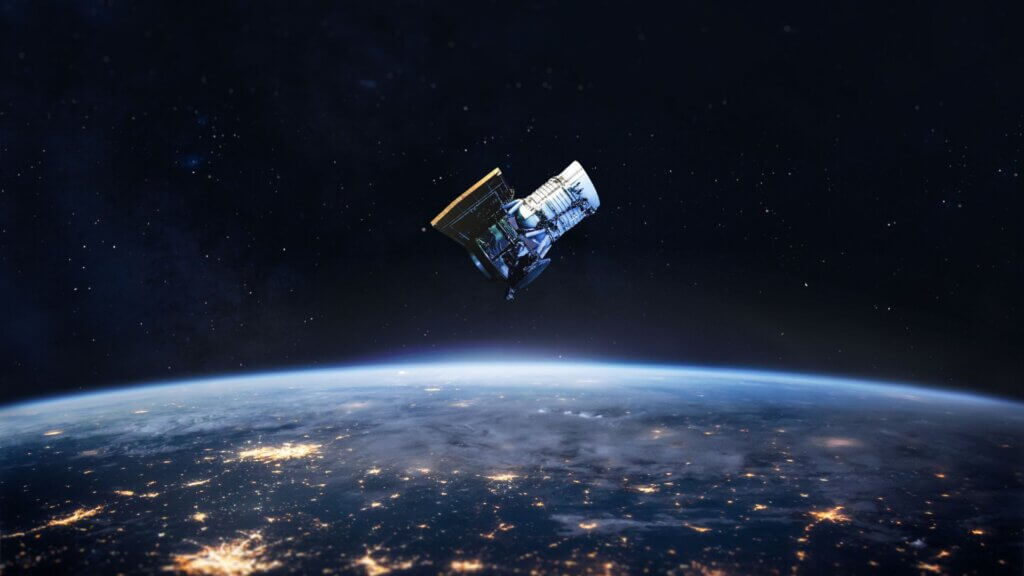
Scientists sent the Van Allen probes into orbit to study radiation belts that surround Earth, and those regions contain high-energy particles trapped by the planet’s magnetic field. Findings from the mission added new data on how those belts form, change, and respond to solar activity.
Early Reentry Driven By Solar Activity
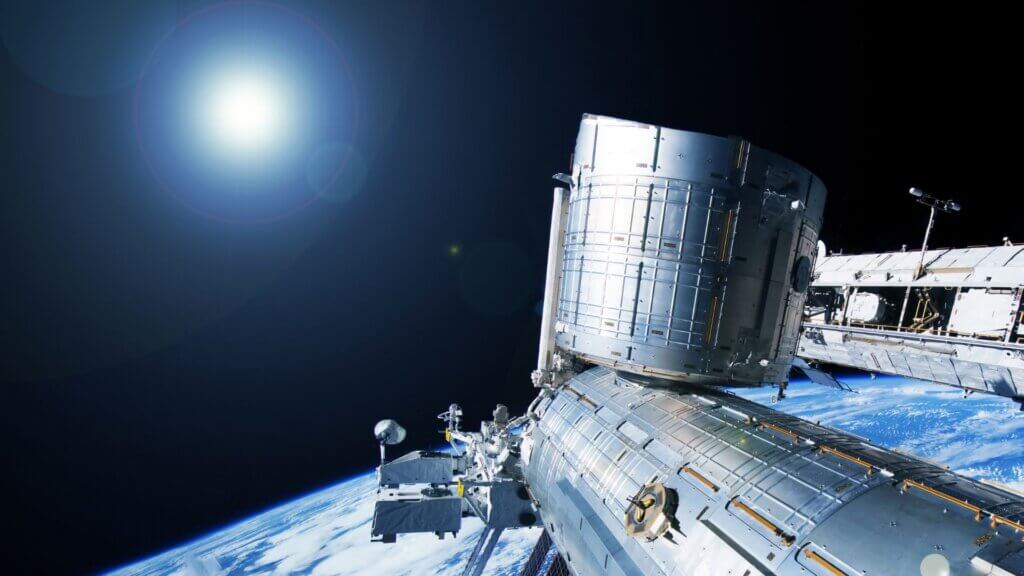
Solar activity accelerated the spacecraft’s return as the Sun reached a more active phase, and that change increased atmospheric drag at higher altitudes. Earlier projections pointed to a 2034 reentry, yet stronger space weather conditions pulled the probe down years ahead of schedule.
NASA End-of-Life Disposal Strategy

NASA planned the spacecraft’s final phase from the start, with engineers setting it on a path where atmospheric drag would pull it down over time. That approach followed fuel depletion steps and orbital adjustments, allowing the vehicle to descend without leaving long-term debris in orbit.
Limits Of Graveyard Orbits In Space
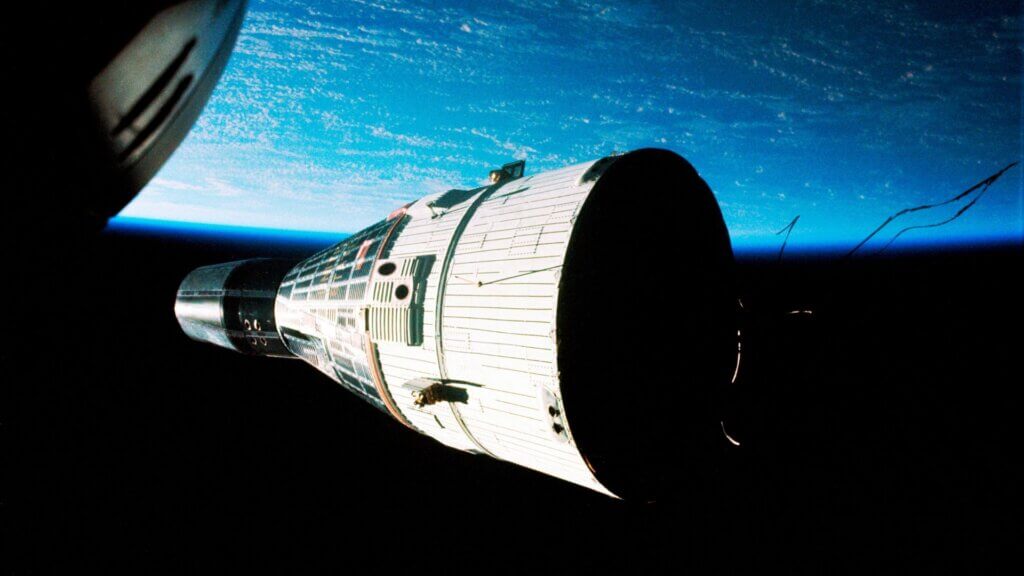
Graveyard orbits offer a way to park retired spacecraft, yet that solution leaves objects circling Earth indefinitely. Over time, collisions can still occur in those zones, and any resulting fragments may spread into operational paths used by active satellites.
Growing Frequency Of Falling Space Debris
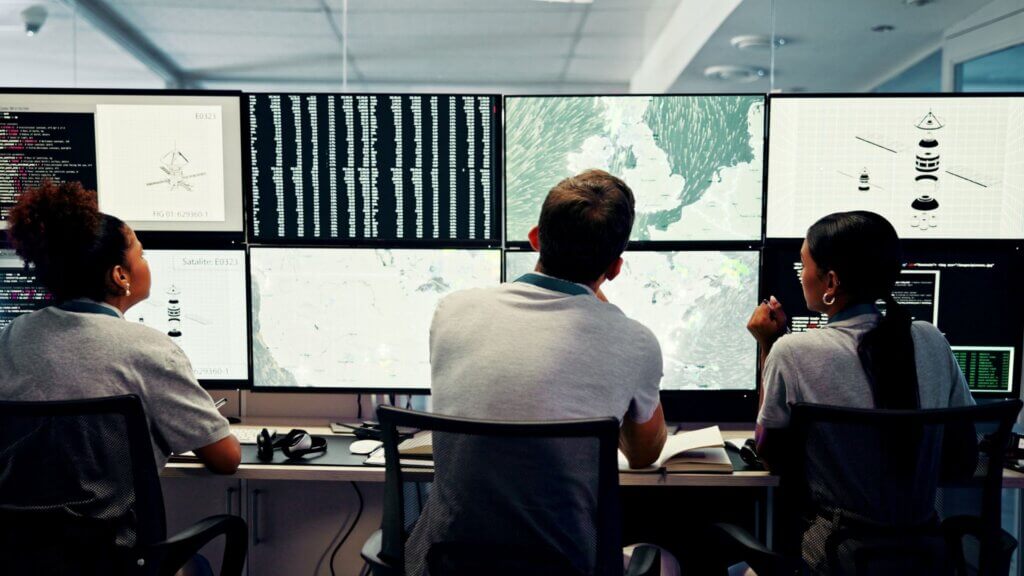
Objects fall back to Earth more often than many expect. Experts track reentries weekly, with debris returning from old rocket bodies and satellites. That steady activity reflects how launch rates have climbed over time, adding more material that eventually comes down.
Space Debris Keeps Returning As Activity In Orbit Grows
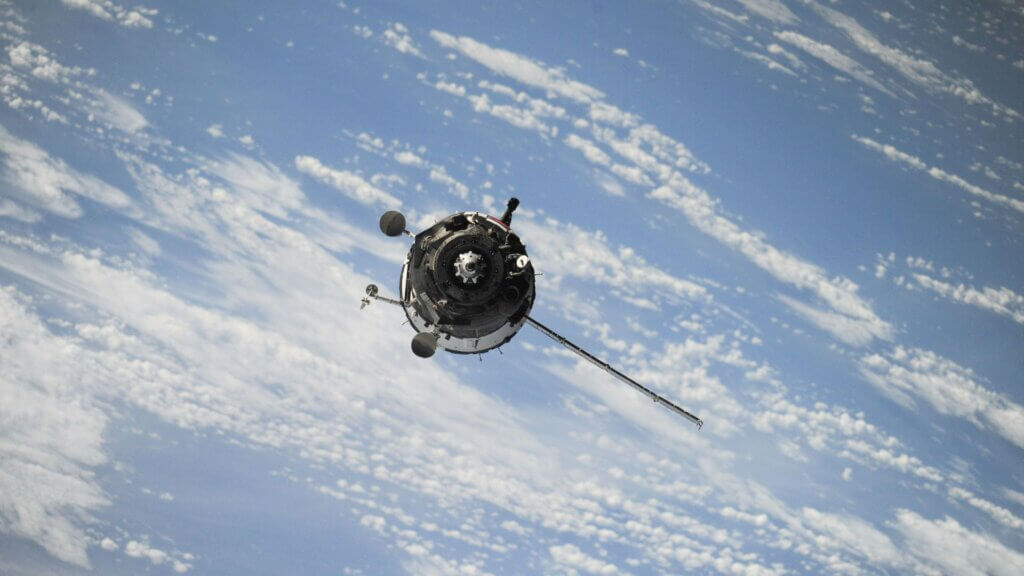
More objects will continue to fall back to Earth over time. That pattern reflects how often missions now leave hardware in orbit. As launches increase, the number of returning fragments rises with them. Monitoring will stay active as each reentry approaches.