

Products are selected by our editors, we may earn commission from links on this page.
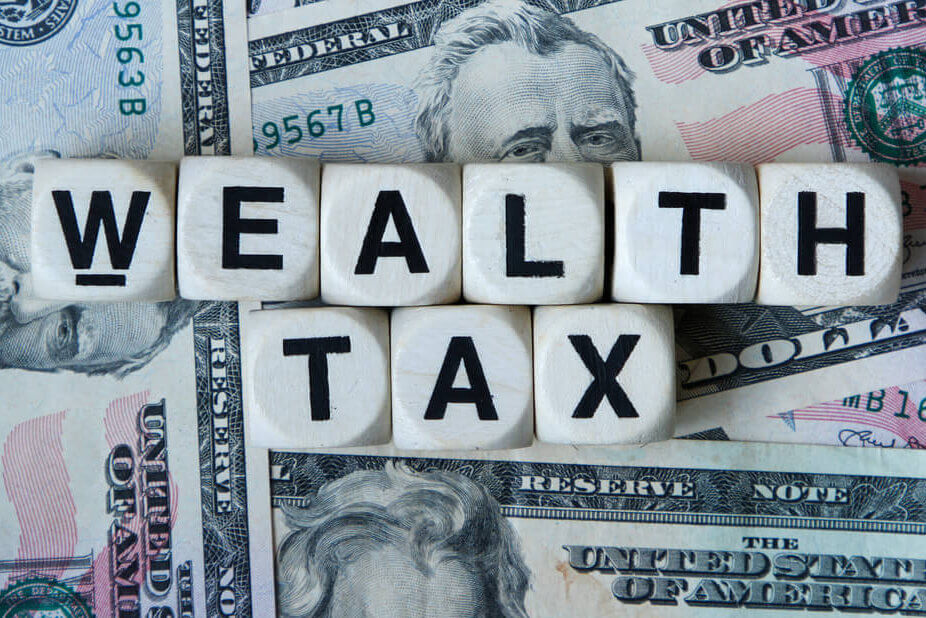
A controversial plan to tax California’s wealthiest residents has cleared a major hurdle, setting the stage for a statewide vote in November 2026. Backers say they have gathered well over the required number of signatures to place the measure on the ballot, marking a significant milestone in a closely watched policy fight.
The proposal, backed by the Service Employees International Union–United Healthcare Workers West (SEIU-UHW), would impose a one-time 5% tax on individuals with net worth exceeding $1 billion. If approved, it would apply to roughly 200 of the state’s wealthiest residents and be paid over several years.
Supporters argue the measure is designed to address urgent funding gaps in healthcare, education, and social services. The initiative comes at a time when California faces mounting fiscal pressure, including reduced federal support for key programs.
A Plan Framed as a $100 Billion Lifeline

At the heart of the proposal is its projected financial impact. Analysts estimate the tax could generate around $100 billion over five years, or roughly $20 billion annually, providing a significant boost to state coffers, according to an analysis by the Institute on Taxation and Economic Policy.
Proponents say the funds would help prevent hospital closures, sustain public K-14 education, and expand food assistance programs. They argue that the ultra-wealthy have benefited disproportionately from economic growth and federal tax changes, while contributing a relatively small share of their overall wealth in taxes.
Data cited in policy research suggests California billionaires collectively hold more than $2 trillion in assets and pay a relatively low share of their wealth in taxes. By targeting accumulated wealth rather than income, the measure aims to address what advocates describe as a structural gap in the tax system.
Opposition Mounts Over Economic Risks

Despite its potential revenue, the proposal has drawn strong opposition from political leaders, business groups, and some high-profile figures in Silicon Valley. Critics argue that taxing wealth directly could have unintended consequences for the state’s economy.
According to news reports, Governor Gavin Newsom has warned the measure could drive wealthy residents and businesses out of California, weakening the tax base and undermining long-term growth. Similar concerns have been echoed by lawmakers who argue that the state relies heavily on top earners for income tax revenue.
Some prominent billionaires and investors have already taken steps to oppose the measure, funding campaigns aimed at defeating it or backing alternative proposals. Critics also point to early signs of relocation among ultra-wealthy individuals, suggesting the policy debate itself may already be influencing behavior.
Exodus Fears and Unanswered Questions
The possibility of a “billionaire exodus” has become one of the most contentious aspects of the debate. Some reports suggest that a number of high-net-worth individuals have relocated or adjusted their residency in anticipation of the tax, raising concerns about potential revenue losses.
At the same time, supporters of the measure dispute the scale of that threat. They argue that relocation is complex and unlikely to be driven by a one-time tax, particularly for individuals with deep business and personal ties to California.
Economic analyses offer mixed conclusions. While some warn that even a small number of departures could have outsized effects, given how much of the state’s tax revenue comes from top earners, others contend the overall impact would be limited compared to the projected $100 billion in new funding.
As the proposal heads toward a public vote, the debate is likely to intensify. For voters, the decision will hinge on a fundamental question: whether the promise of substantial new revenue outweighs the risks of potential economic disruption.