

Products are selected by our editors, we may earn commission from links on this page.
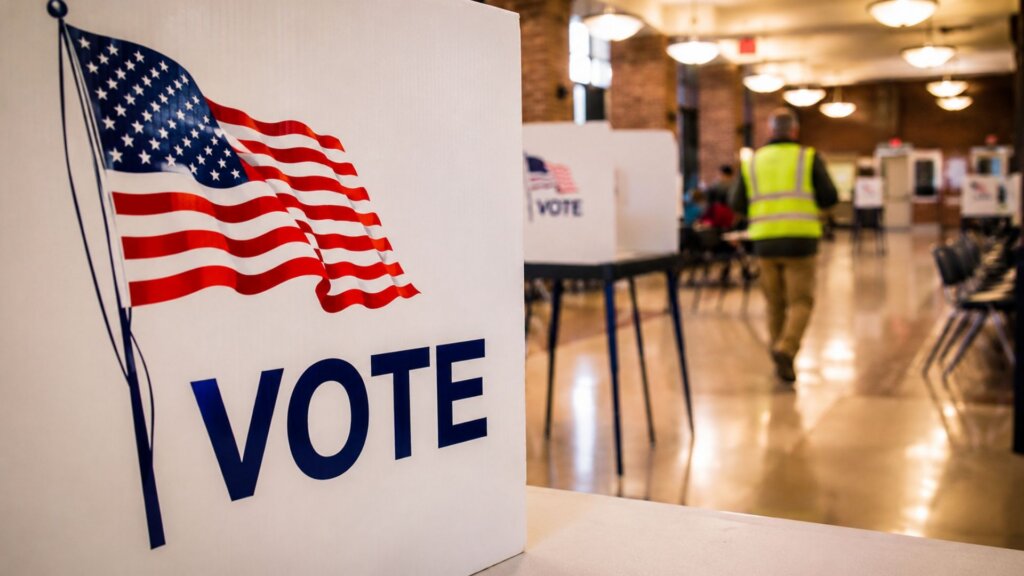
Before a single vote is cast in the 2026 midterms, the battle over who controls America’s elections has already begun. President Donald Trump announced on May 11, 2026, that Republicans would deploy a massive “Election Integrity Army” to every state in the country, a move he framed as essential to ensuring a fair vote. But for many experts and Democrats, the announcement signals something more complicated.
This article was created with the assistance of AI and reviewed by our editorial team for accuracy and clarity.
What Trump Actually Said
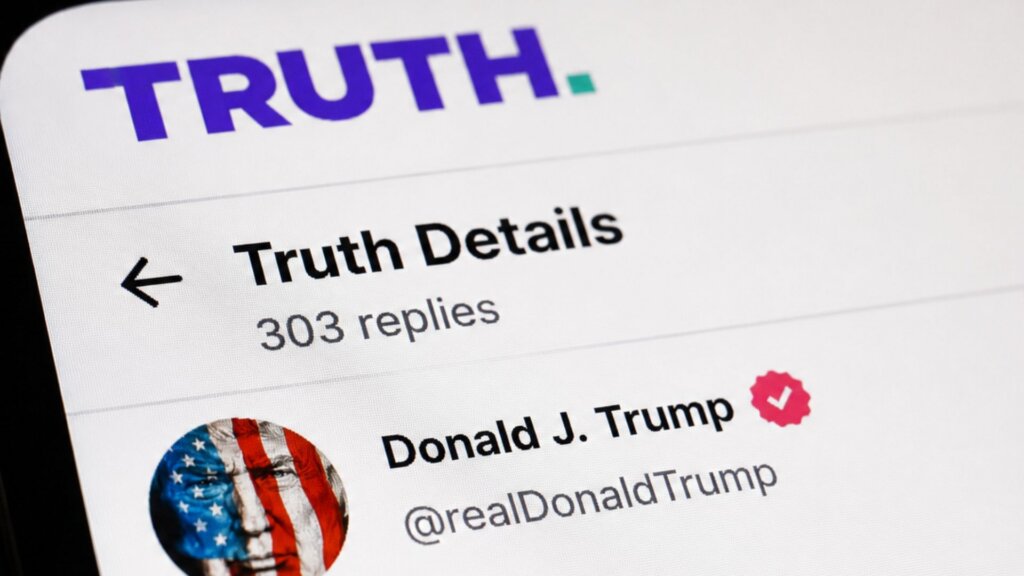
In a post on his Truth Social platform, Trump credited the Republican National Committee’s poll-watching operation for his 2024 victory. “We will be doing the same again in 2026, but it will be much bigger and stronger,” he wrote. He offered no details about who would be recruited, how the force would be organized, or what its total size would be. The announcement was sweeping in language but thin on specifics, a pattern critics say they have seen before.
What Sparked the Announcement
Trump’s post was a direct reaction to Democrats forming their own election task force. Senate Minority Leader Chuck Schumer announced a partnership with former Attorney General Eric Holder and veteran Democratic election lawyer Marc Elias to monitor and counter threats to the 2026 vote. Trump attacked both figures by name in his post, calling the Democratic effort an attempt to “suppress Republican voters and interfere with our Elections.” Democrats said they were simply fighting back.
The Democrats’ Counter-Move
Schumer did not mince words in response. According to the Senate Minority Leader, Trump and the Republican Party are “working round the clock to tilt the scales unfairly” because they fear losing control of Congress in 2026. The Democratic task force, which includes Elias, who defeated Trump allies in over 60 court cases following the 2020 election, says its mission is to ensure every legal vote is counted and to fight any attempt to suppress turnout or alter electoral maps.
How It Actually Worked
The model Trump wants to expand in 2026 already ran in 2024. The RNC’s “Protect the Vote” program recruited over 160,000 volunteers to serve as poll watchers and assist with election-related legal cases. The program also deployed lawyers to ballot tabulation centers and set up hotlines in every battleground state. The RNC filed more than 100 lawsuits related to the election that cycle. Poll watching by both parties is a long-standing and legal part of the U.S. election process.
The Gap Between Promise and Reality
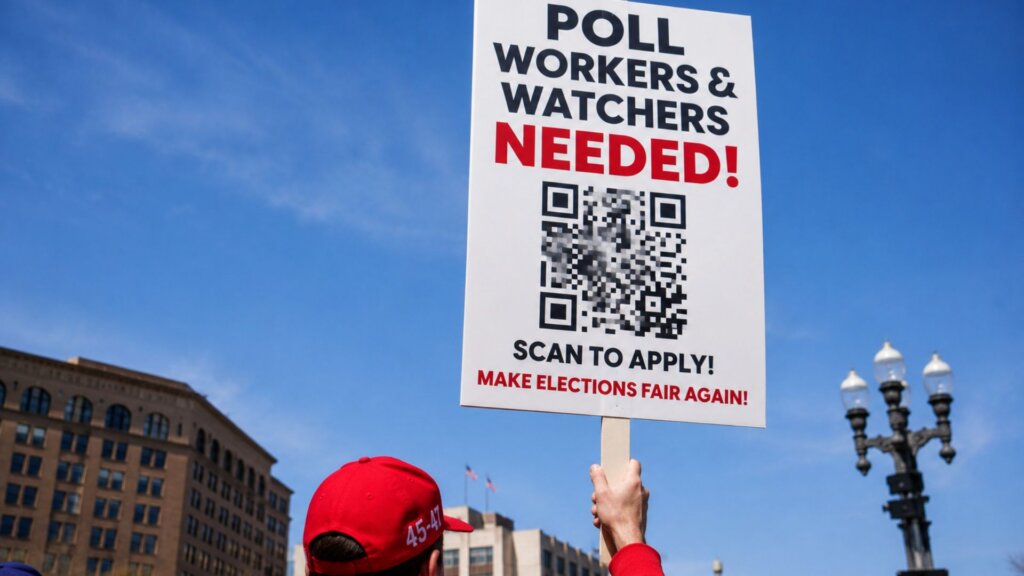
Before the 2024 election, the RNC pledged to recruit 100,000 volunteers and ultimately claimed more than 200,000 signed up. But independent experts have long questioned those figures. According to Justin Levitt, a law professor and former Biden White House democracy adviser, the actual numbers deployed are consistently far below what either party announces. “Every two years, we see a different fictional number,” Levitt told NBC News. Enthusiasm, he said, rarely matches reality on Election Day.
A Broader War on How Americans Vote
Sunday’s announcement is not an isolated move. Since returning to office, Trump has signed two executive orders aimed at reshaping election rules, including one in March 2025 requiring proof of citizenship to register, and a second in March 2026 directing the U.S. Postal Service to send mail ballots only to voters on a federal-approved list. Courts have blocked key portions of both orders. Election experts say the moves represent an effort to rewrite rules that the Constitution largely reserves for states, not the federal government.
The Fraud Claims That Keep Coming Back
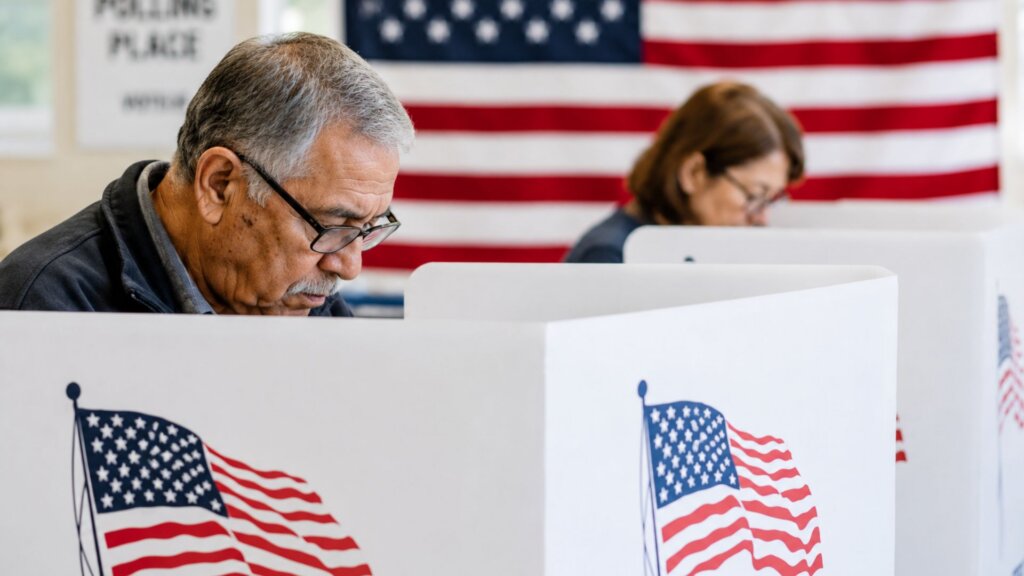
At the heart of Trump’s election messaging is a claim that U.S. elections are not fair, a belief rooted in his insistence that the 2020 race was stolen from him. That claim has been examined and rejected by federal judges, state-level audits, Trump’s own election security officials, and election infrastructure experts. In 2024, a Brookings Institution report found that mail ballot fraud occurred in roughly 0.000043 percent of all ballots cast, roughly four cases per 10 million votes. Election experts say U.S. elections are secure.
Redistricting: The Other Battleground
Running alongside Trump’s poll-watching push is an aggressive redistricting campaign. The Virginia Supreme Court recently struck down a Democratic-leaning congressional map, handing Republicans a boost. Democrats have raised alarms about similar moves in Tennessee, Alabama, and other Republican-led states, arguing that redrawing congressional districts to favor one party dilutes minority voting power. Schumer accused Republicans of trying to “rig” elections through the courts and the statehouse, not just at the polls.
Two Armies, One Election
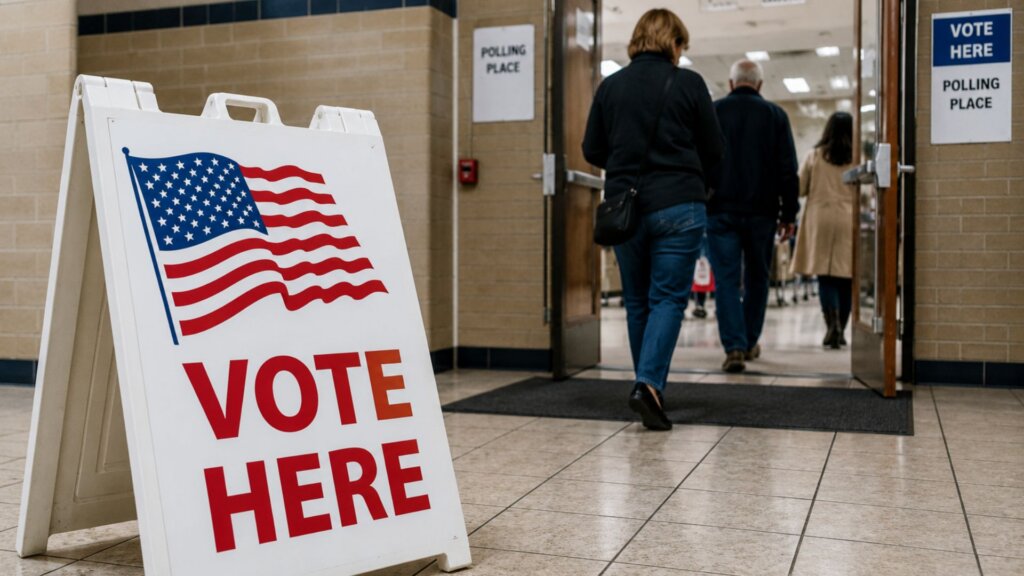
The 2026 midterms are shaping up as a contest fought on two fronts: at the ballot box and in the legal and political machinery surrounding it. Both parties are mobilizing forces, each claiming the other is the real threat to democracy. What remains unresolved is a deeper question about American elections: whether expanded oversight strengthens the vote or becomes a tool to intimidate it. The answer, experts warn, may depend less on who shows up to watch, and more on who gets to decide the rules.