


Products are selected by our editors, we may earn commission from links on this page.

The United States Army is facing a budget shortfall of up to $6 billion, and it is responding by canceling training programs across the force months before the fiscal year even ends. Internal documents reviewed by ABC News reveal a scramble to cut costs at every level, from elite specialty schools to basic unit-level exercises. This is not routine belt-tightening. Officials say the scale and timing of the cuts are highly unusual.
This article was created with the assistance of AI and reviewed by our editorial team for accuracy and clarity.
A Shortfall Years in the Making
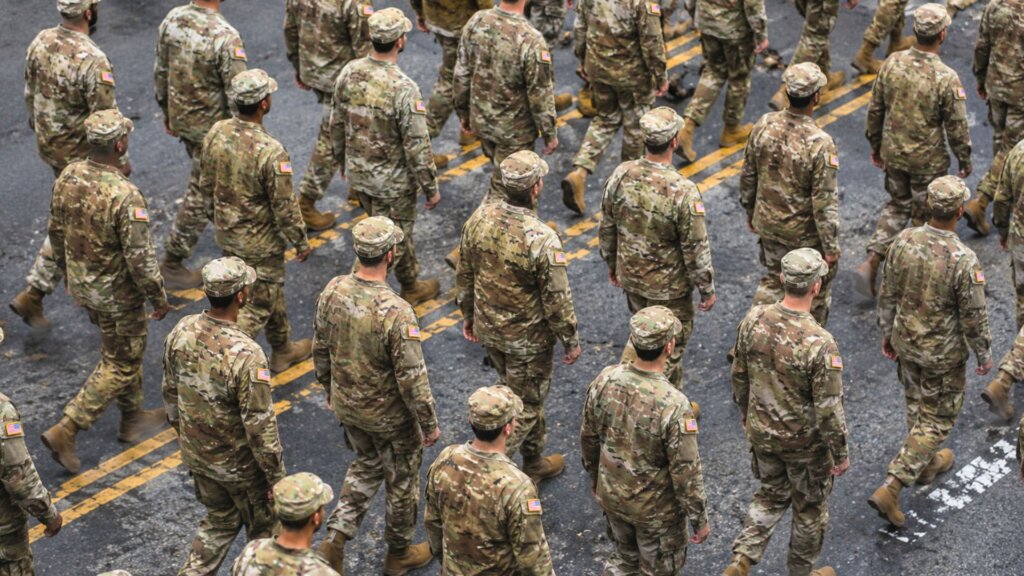
The Army is dealing with a sudden budget crunch and scrambling to cut training costs across a wide range of units, driven by a shortfall of some $4 billion to $6 billion, as the service has dramatically expanded its operational presence at home and abroad. The cuts span both stateside and overseas operations, reflecting pressure that has been building as mission demands grow faster than the budget can keep pace. The root causes, it turns out, are multiple and compounding.
Wars, Borders, and a City Under Guard
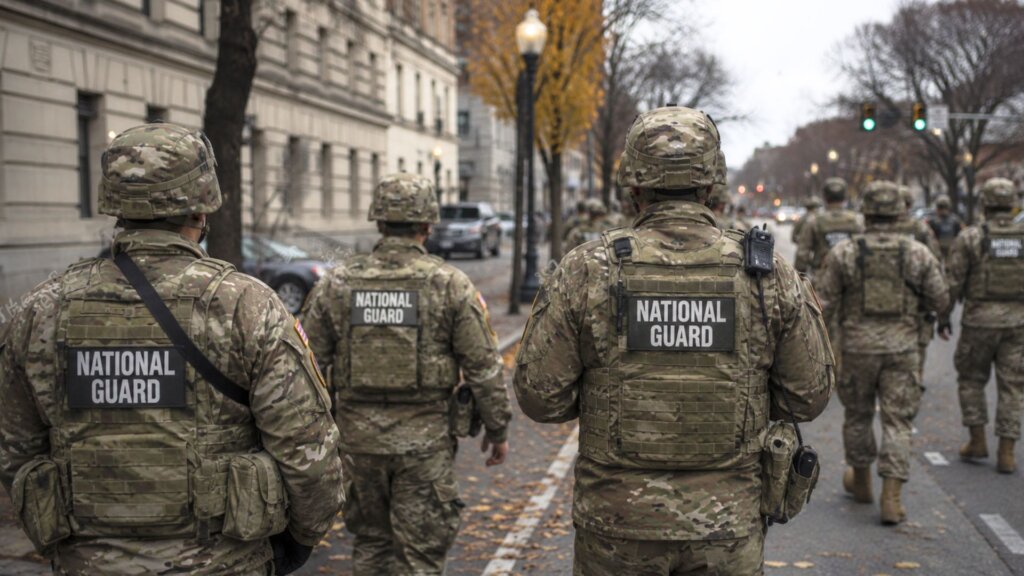
U.S. officials cite costs tied to the Iran war and the expanding mission to secure the southern border as major drivers of the shortfall. On top of that, National Guard deployments, including the ongoing mission in Washington, D.C., are projected to cost roughly $1.1 billion this year alone, according to estimates from the nonpartisan Congressional Budget Office. Each of these missions carries a price tag, and together they are stretching the Army’s finances to a breaking point.
DHS Shutdown Made Things Worse
The Army has also been absorbing ballooning personnel costs and filling gaps left by funding lapses at the Department of Homeland Security, including at the southern border and in construction projects. The Army is expected to be reimbursed for costs it covered during the record 76-day DHS shutdown. But the money has not arrived yet, leaving the Army to bridge the gap on its own, compounding a financial crisis already stretched thin by simultaneous global and domestic obligations.
The Heavy Armor Force Takes the Hardest Hit
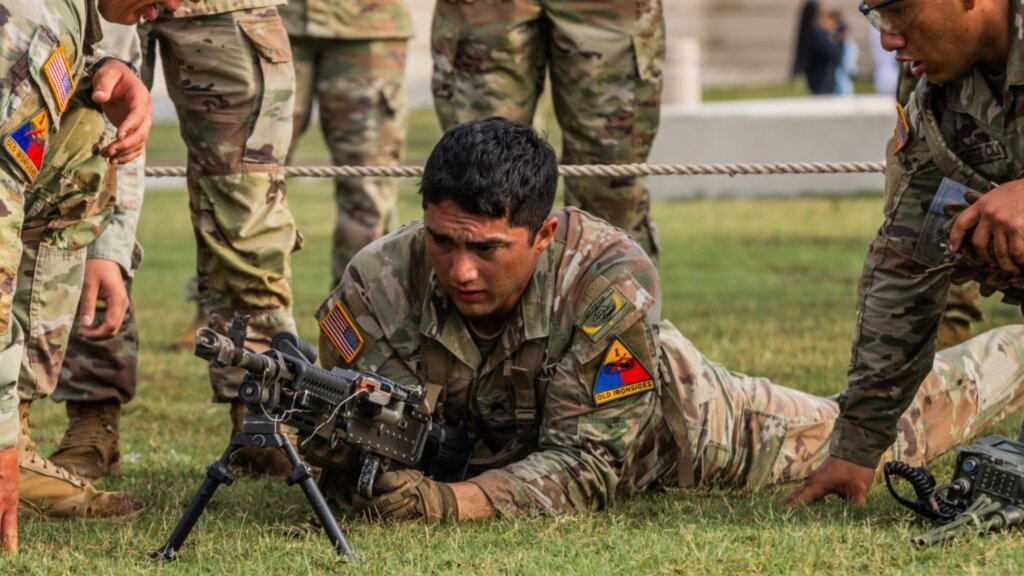
The Army’s III Armored Corps, which commands roughly 70,000 soldiers and represents nearly half of the service’s combat power, is expected to bear the largest share of the cuts. An internal planning document warns that the corps’ aviation units could deploy next year at a lower state of readiness, and that mid-level officers may face career stagnation from missing key training events. The document also estimates it will take a full year for units to rebuild combat proficiency.
Pilots Are Already Flying Less
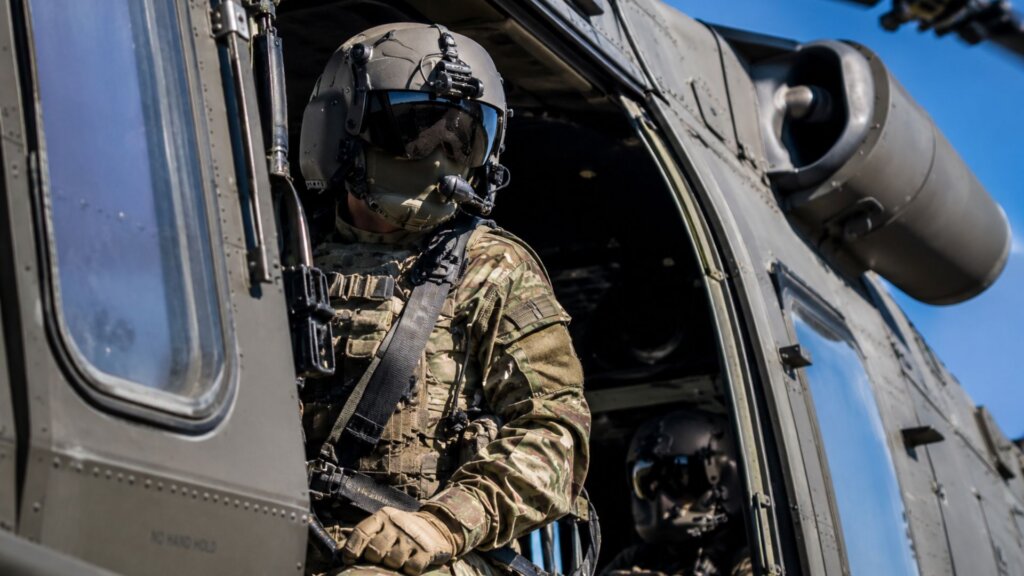
Among the planned reductions: roughly half of III Armored Corps’ budget will be cut, and pilots’ flight hours will be reduced to the minimum levels required by regulation. This comes at a particularly dangerous moment. The rate of the most serious military aviation accidents increased by more than 55 percent between 2020 and 2024, with analysts linking the rise partly to declining flight hours and pilot experience. Cutting those hours further raises the stakes for everyone in the cockpit.
Elite Schools Shut Down Without Warning

The Army Sapper Course, the service’s premier combat engineering school, was canceled outright. An artillery course set to begin at Fort Campbell, Kentucky, was also abruptly called off. Other units are now scrutinizing how many soldiers they can train. For soldiers who had prepared for months to attend these programs, the cancellations arrived with little notice and no clear timeline for rescheduling, disrupting career development across the force.
Fuel Costs Are Pouring Fuel on the Fire

The cuts are also happening against a backdrop of skyrocketing fuel prices, which rapidly drive up the cost of large-scale training exercises, aviation operations, and troop movements. According to Representative Betty McCollum (D-Minn.), the Pentagon’s standard fuel price for the military rose from $154 to $195 per barrel, leaving less money available for the very training that keeps soldiers ready. It remains unclear whether fuel costs are the primary trigger, but they are accelerating the problem.
Congress Is Asking, The Pentagon Is Not Answering
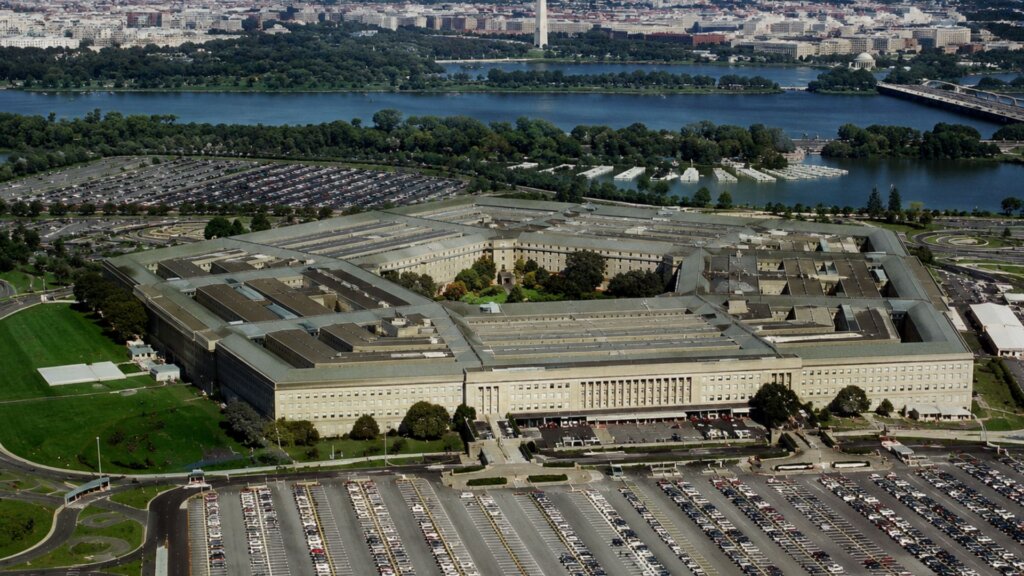
The belt-tightening was briefly raised in Congress when Defense Secretary Pete Hegseth testified before lawmakers about the Pentagon’s request for a $1.5 trillion budget. Defense officials did not directly address concerns about training cuts. The Defense Department also declined to say whether similar cuts are being made across other military branches, deflecting questions back to individual services. That silence, for many lawmakers, is an answer in itself.
A Ready Army Is Not a Given
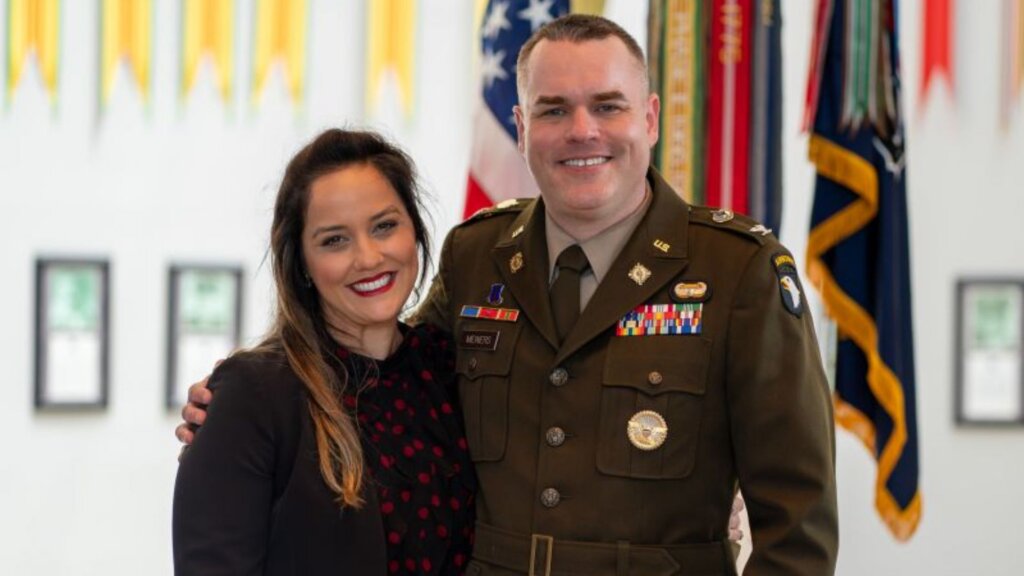
Army spokesperson Col. Marty Meiners said commanders are taking all necessary steps to prioritize critical readiness within current funding levels. But internal documents tell a more complicated story. Cutting training to cover operational costs is a short-term fix with long-term consequences. When units go into the field undertrained, the risks fall on soldiers. The deeper question, one Congress has not yet fully answered, is what a superpower’s military is supposed to look like when it can no longer afford to practice.