

Products are selected by our editors, we may earn commission from links on this page.
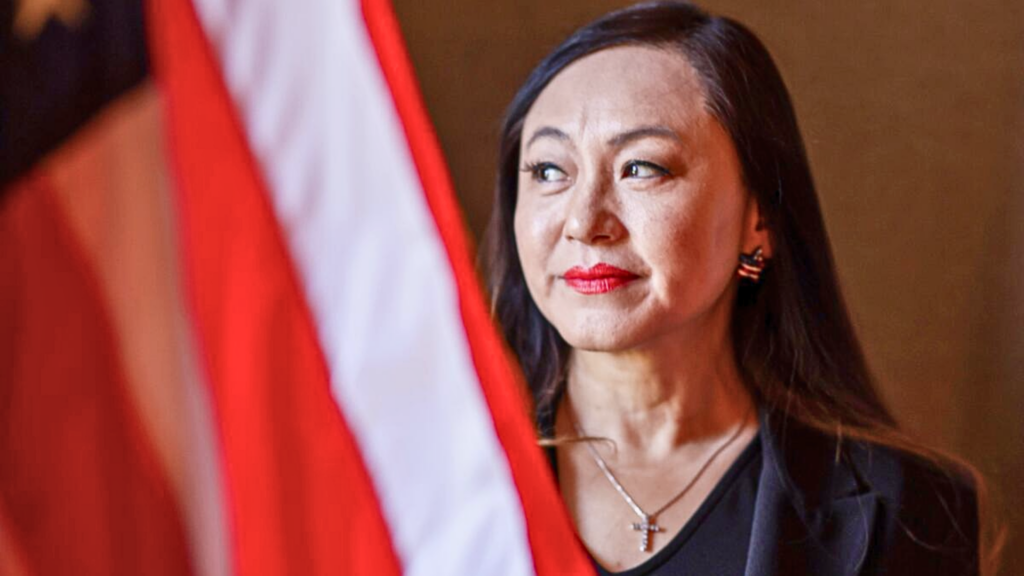
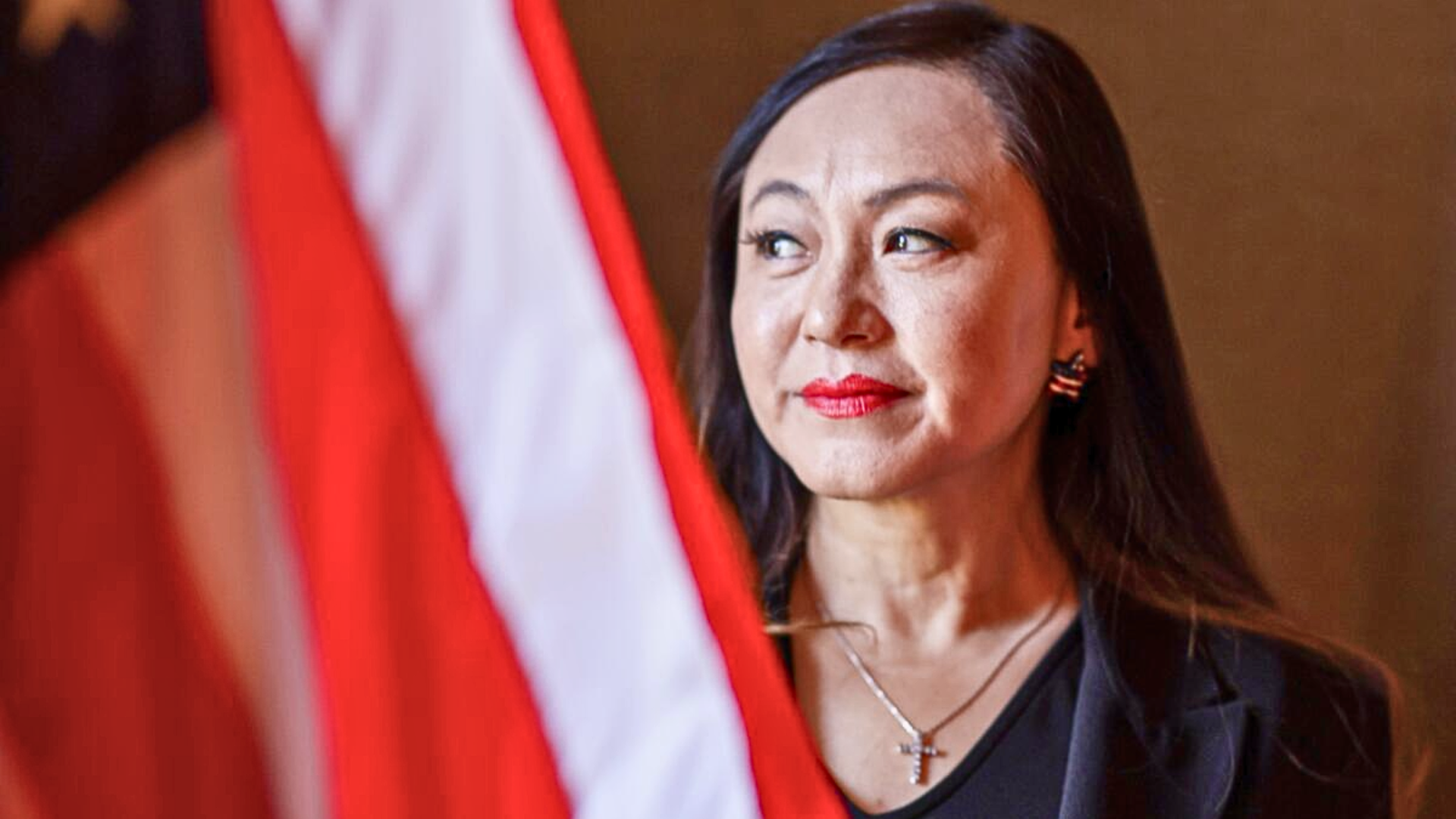
The Justice Department announced Monday that Arcadia Mayor Eileen Wang, 58, has been charged with one count of acting in the United States as an illegal agent of a foreign government. Wang agreed to plead guilty and faces a maximum sentence of 10 years in federal prison. Wang was elected in November 2022 to the Arcadia City Council, a five-member governing body in Los Angeles County that selects a mayor on a rotating basis. Her case is part of a broader federal effort to identify and prosecute individuals operating covertly on behalf of the Chinese government inside the United States.
According to her plea agreement, Wang worked alongside Yaoning “Mike” Sun, 65, of Chino Hills, at the direction of Chinese government officials to promote pro-Chinese propaganda in the United States. The FBI stated that the two operated a website called US News Center, which presented itself as a news source for the local Chinese American community. In practice, federal investigators say, Wang and Sun received and executed directives from Chinese government officials to post pro-Chinese government content on the website. The site functioned as a propaganda outlet rather than an independent local news source.
First Assistant United States Attorney Bill Essayli addressed the significance of the case directly in the Justice Department’s statement. “Individuals in our country who covertly do the bidding of foreign governments undermine our democracy,” Essayli said. He added that the plea agreement represented “the latest success in our determination to defend the homeland against China’s efforts to corrupt our institutions.” FBI Counterintelligence and Espionage Assistant Director Roman Rozhavsky said Wang’s guilty plea “serves as a clear warning” to individuals who choose to act on behalf of foreign governments inside the United States.
Who Eileen Wang Is and How She Came to Hold Public Office
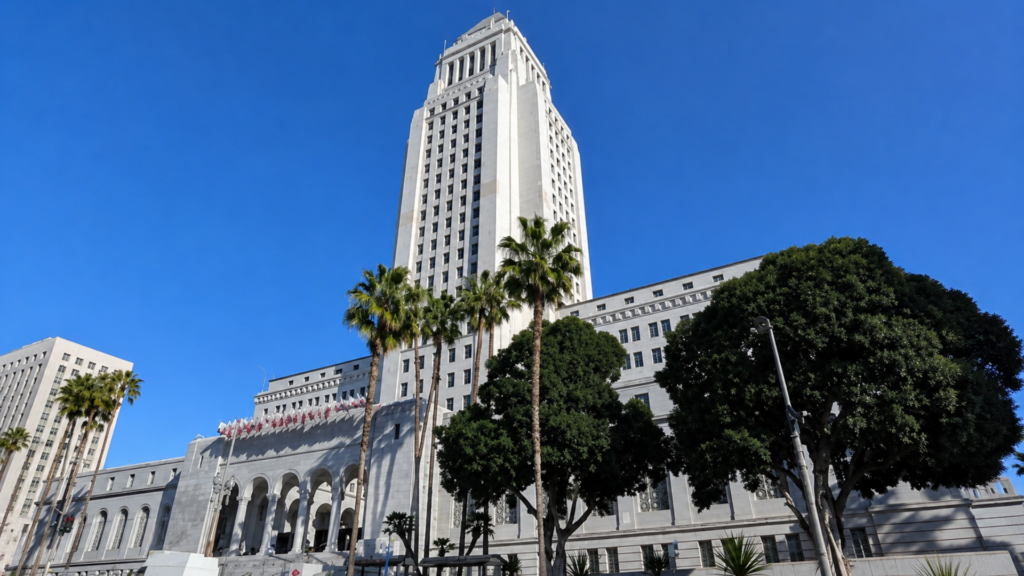
Eileen Wang is a 58-year-old resident of Arcadia, a city in Los Angeles County with a large Chinese American population. She was elected to the Arcadia City Council in November 2022. The council is a five-member body, and the position of mayor rotates among its members rather than being directly elected by voters. That structure meant Wang reached the mayoral role through a council selection process rather than a dedicated citywide vote for mayor. Her position gave her a platform within a community that federal investigators say she was simultaneously using to advance the interests of a foreign government.
The City of Arcadia issued a statement following the announcement of Wang’s plea, saying it “supports a thorough and comprehensive investigation by our federal partners into these serious allegations.” The city added that as the process unfolds, it will continue to inform and engage residents on the matter. The statement reflects the position of a local government body dealing with the revelation that one of its own elected members had agreed to plead guilty to acting as a secret agent for the Chinese government while serving in public office. The city has not yet detailed what governance steps it is taking in response.
Wang’s case draws attention to the specific vulnerability that local and municipal elected positions present in the context of foreign influence operations. City council members and mayors in communities with concentrated populations from particular countries can hold meaningful influence over local policy, public messaging, and community trust, even without access to classified federal information. Wang’s alleged use of a local news website to distribute government-directed content illustrates how influence operations can function through ostensibly civilian and community-focused channels rather than through traditional espionage methods.
The US News Center Operation and How It Allegedly Worked

The US News Center website sits at the center of the federal case against Wang and Sun. According to the FBI, the site presented itself as a news source serving the local Chinese American community in the Arcadia area. Its actual function, federal investigators allege, was to serve as a distribution channel for content directed by officials of the People’s Republic of China. Wang and Sun allegedly received instructions from those officials and posted content aligned with Chinese government positions, effectively giving a foreign government a disguised outlet for propaganda targeting an American community.
Operating a website that appears to be independent local news while actually executing directives from a foreign government is the kind of influence operation that US counterintelligence officials have described as increasingly common and difficult to detect. Unlike traditional espionage involving the theft of classified information, this type of operation works by shaping public opinion and community perception through channels that look like ordinary civic or media activity. The FBI’s involvement in this case reflects the bureau’s expanded focus on foreign influence operations that target American communities rather than government secrets.
Sun, Wang’s alleged co-conspirator, is 65 years old and a resident of Chino Hills, also in Los Angeles County. The Justice Department’s announcement identified both individuals as working together under the direction of Chinese government officials. As of the announcement, Wang had agreed to plead guilty. Details of Sun’s legal status were not included in the NewsNation reporting on which this article is based. The maximum sentence Wang faces, 10 years in federal prison, reflects the serious classification of the charge under US law governing illegal foreign agents.
What This Case Means for Foreign Influence Operations in American Communities
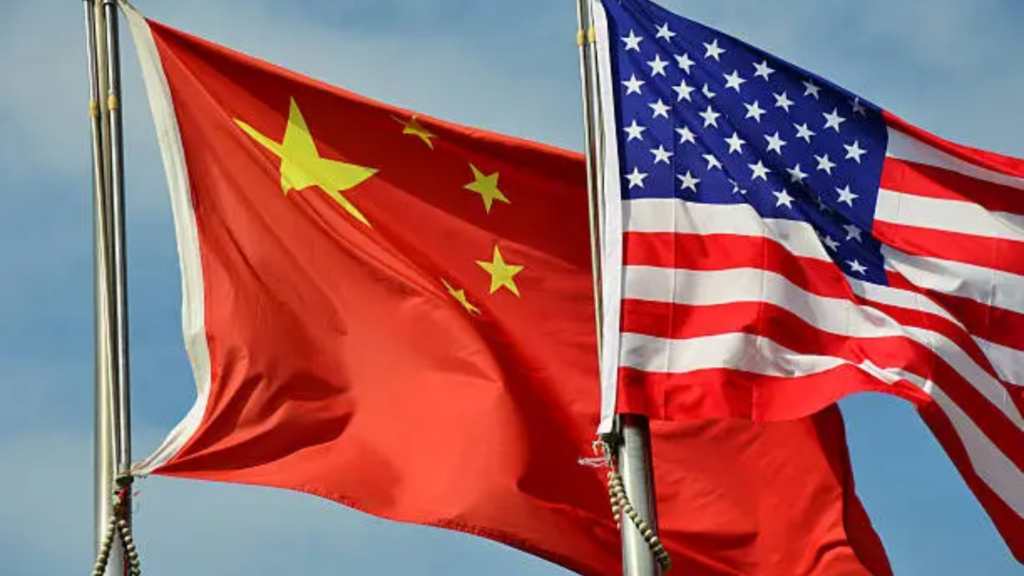
The prosecution of a sitting local mayor for acting as an illegal foreign agent is not an everyday occurrence, and the Justice Department’s decision to publicize it with statements from multiple senior officials reflects the significance federal law enforcement attaches to the case. The charge under which Wang agreed to plead guilty covers individuals who act in the United States on behalf of a foreign government without disclosing that relationship to the government, a requirement that exists specifically to prevent covert foreign influence over American institutions and communities.
Essayli’s framing of the case as part of a sustained effort to defend against China’s attempts to “corrupt our institutions” places Wang’s prosecution within a broader pattern of federal counterintelligence work targeting Chinese government influence operations in the United States. The FBI’s characterization of the guilty plea as “a clear warning” to others operating in similar roles suggests that federal investigators believe Wang and Sun are not isolated cases, and that the bureau is actively working to identify other individuals in comparable positions. For Chinese American communities across the country, the case raises difficult questions about how foreign government influence can embed itself in local civic institutions.
The City of Arcadia and its residents are left navigating the aftermath of learning that their mayor had agreed to plead guilty to secretly working for a foreign government while holding elected office. The city’s statement expressing support for the federal investigation is a beginning, but the questions it raises for local governance, community trust, and the integrity of the civic institutions Wang represented will take considerably longer to address. For Americans watching the case from outside Arcadia, it is a concrete illustration of how foreign influence operations can operate not through shadowy intelligence networks but through elected positions, community websites, and the ordinary machinery of local democratic participation.