

Products are selected by our editors, we may earn commission from links on this page.
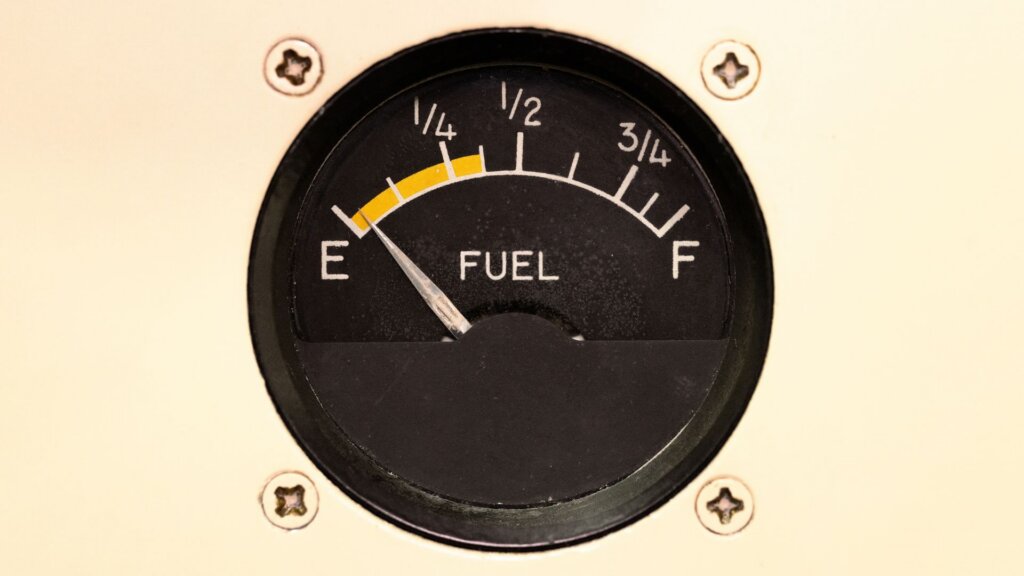
The aviation industry is once again facing uncertainty as geopolitical tensions and rising fuel costs disrupt global travel. Headlines warning about a potential jet fuel shortage have sparked concern among travelers and airlines alike, especially as routes are canceled across major international hubs. Yet not everyone inside the industry agrees that the situation is as severe as it appears.
Greg Raiff, CEO of private aviation company Elevate Jet, argues that fears surrounding a worldwide fuel crisis are being overstated. Despite warnings connected to the Strait of Hormuz and reports of airlines reducing operations, Raiff insists that fuel availability remains stable from his perspective within the private aviation market. According to him, the narrative of an imminent shortage is being amplified for political and strategic reasons rather than because of a true collapse in supply.
While commercial airlines have announced hundreds of cancellations in recent weeks, private aviation activity has not slowed down. Raiff claims demand for private flights has actually increased slightly since fuel prices began climbing alongside the escalation of conflict in the Middle East. Flight hours, departures, and global aviation traffic continue to show resilience, particularly among wealthier travelers and corporations that rely on private jets for flexibility and security.
Skyrocketing Costs Are Changing The Industry
Although Raiff dismisses concerns about supply shortages, he openly criticizes the growing costs associated with fueling aircraft. In some private terminals, fuel prices have reportedly climbed to levels far beyond the standard market rate. Additional taxes, handling fees, and service charges are also driving up the total cost for operators and passengers.
According to Raiff, these inflated prices are easier to impose in the private aviation sector because many high net worth travelers are less sensitive to rising costs. This creates an environment where airports and fuel providers can maintain unusually high margins without facing significant resistance from customers.
The increase in operational expenses is placing pressure on airlines worldwide, particularly on routes that were already struggling to generate strong profits before fuel prices surged. International destinations with lower passenger demand or heightened geopolitical risk have become increasingly difficult for carriers to justify financially.
Private Aviation Continues To Grow Despite Concerns

While commercial airlines navigate mounting challenges, the private aviation sector appears to be maintaining momentum. Travelers seeking reliability and greater control over their schedules are increasingly turning toward private charter services, even as operational costs rise across the industry.
Industry data also points toward a continuing normalization of private air travel among corporations and affluent consumers. What was once viewed primarily as a luxury service has evolved into a strategic business tool for many organizations managing international operations and executive mobility.
Even without a true shortage, persistent instability can reshape pricing structures, route planning, and consumer behavior across the entire airline sector. Airlines may continue adjusting networks to protect profitability, while private aviation providers adapt to a growing customer base willing to pay for reliability during uncertain periods.
What The Aviation Industry May Face Next

According to Raiff, the more serious challenge could emerge later in the year if international conflicts continue into the colder months. Jet fuel and heating oil are closely connected products within the refining industry, meaning increased demand for home heating during autumn and winter could place additional pressure on fuel availability and pricing.
If that competition intensifies, airlines may face more difficult decisions regarding flight schedules, route planning, and operational costs. Higher demand for heating resources could indirectly affect air travel markets, particularly if refineries are forced to prioritize domestic energy needs over aviation fuel production.
As the aviation sector enters another unpredictable period, airlines, private operators, and passengers are all preparing for the possibility of further changes ahead. Whether the issue becomes a genuine fuel crisis or simply a prolonged period of economic and geopolitical pressure, the global travel industry is already being forced to adapt.