

Products are selected by our editors, we may earn commission from links on this page.
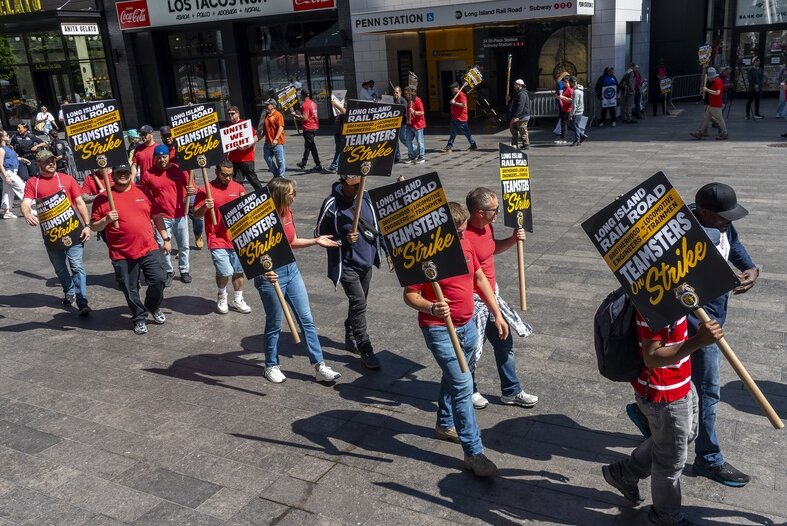
A labor strike that shut down the Long Island Rail Road for three days quickly escalated into a broader political fight after payroll records revealed that some unionized workers earned more than $200,000 in overtime alone. The disclosures arrived as roughly 3,500 workers from five unions walked off the job, halting service for nearly 300,000 daily commuters and triggering severe travel disruptions across the New York metropolitan region.
The payroll figures became a flashpoint because they highlighted just how expensive overtime costs have become within the nation’s busiest commuter railroad. According to reporting based on LIRR payroll data, more than 325 employees collected over $100,000 in overtime pay last year, while at least 11 workers surpassed $200,000 in overtime earnings alone. Several foremen reportedly earned total compensation packages approaching or exceeding $380,000 once base salary and overtime were combined.
The highest-paid employee identified in the reports was gang foreman Leonardo Espinosa, who reportedly earned nearly $245,000 in overtime on top of a salary exceeding $129,000. Other workers, including gang foremen Steve Delacrausaz and Jeffrey Davies, also reportedly earned more than $230,000 in overtime. The figures quickly circulated online and on cable news, prompting criticism from taxpayer advocates and commuters already frustrated by the strike-related shutdown.
Strike Brings Long Island Commuting to a Halt
The strike began shortly after midnight on May 16 after negotiations between the Metropolitan Transportation Authority and union leaders collapsed. It marked the first LIRR strike in more than three decades and immediately disrupted travel across Long Island and New York City. State officials warned there was effectively “no substitute” for the rail line, urging commuters to work remotely whenever possible.
New York State Comptroller Thomas DiNapoli’s office estimated the economic impact could reach as much as $61 million per day in lost activity. Shuttle buses and limited emergency transportation routes were established between Long Island and Queens, but officials acknowledged the alternatives could not adequately replace regular rail service. Congestion concerns also intensified as the Memorial Day travel period approached.
Union leaders defended the walkout, arguing workers had gone years without raises despite inflation and rising living costs across the region. The coalition of unions said the dispute centered on fairness, dignity and respect for workers who kept the railroad operating through the pandemic and other major disruptions. Labor representatives also accused MTA leadership of refusing to fully implement recommendations made during federal mediation efforts.
Governor Kathy Hochul took a far more confrontational tone. She described the strike as “reckless” and warned that conceding to all union demands could eventually force fare increases or tax hikes. Hochul repeatedly emphasized that the LIRR workforce is already among the highest-paid railroad labor groups in the country, a message that gained traction after overtime data became public during the strike.
Overtime Rules Become Central to the Debate
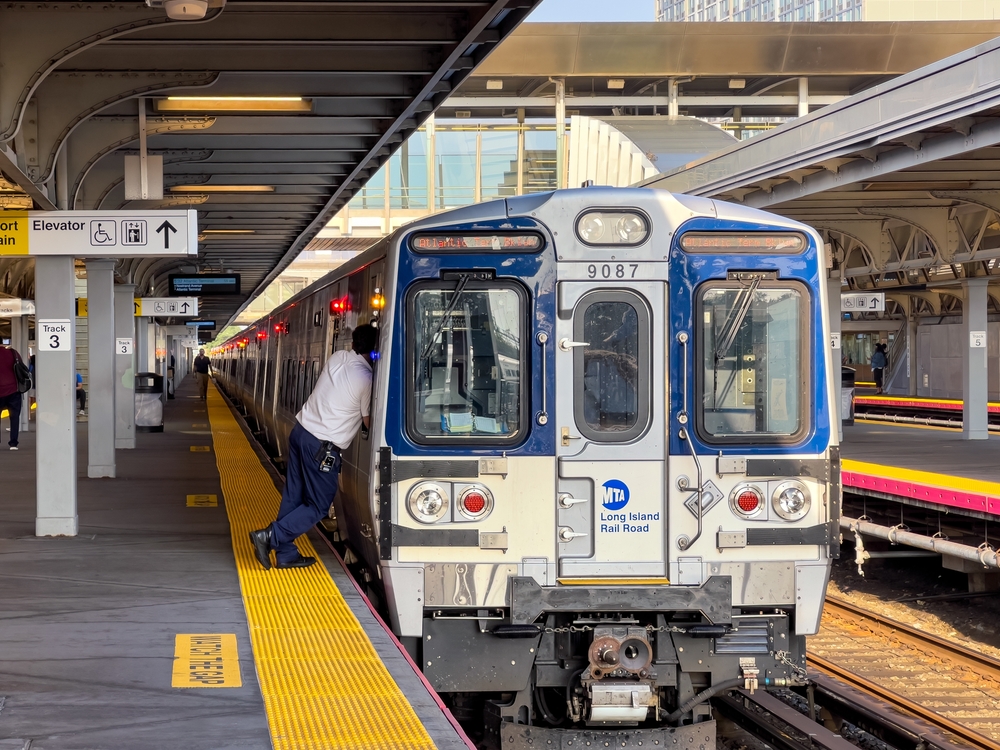
As details emerged about compensation practices inside the LIRR, critics increasingly focused on work rules embedded in union contracts. Policy analysts and MTA officials argued that some of the overtime costs stemmed not simply from staffing shortages, but from long-standing contractual provisions that increase pay under specific operational conditions.
One example frequently cited during the negotiations involved “automatic overtime” rules that reportedly provide extra compensation when employees operate both electric and diesel trains during a single shift. Critics said these provisions contribute to inefficiencies and dramatically inflate labor costs. Manhattan Institute fellow Ken Girardin argued in his article “This LIRR Strike Should Be the Last” that nearly 22% of the Long Island Rail Road’s $1 billion 2025 payroll was devoted to overtime expenses, which he said reflected inefficient union work rules and a system he described as deeply distorted.
MTA officials publicly acknowledged frustration with the overtime numbers. According to reporting by the New York Post, MTA spokesperson Aaron Donovan said management was attempting to negotiate work-rule changes during contract talks but claimed unions had refused to consider major revisions. Some transportation analysts warned that if overtime growth continues unchecked, the pressure could eventually fall on riders through higher fares or on taxpayers through increased subsidies.
Union leaders and labor supporters pushed back against the criticism, arguing the railroad relies heavily on overtime because of operational demands and staffing realities. They also noted that Long Island’s high cost of living contributes to wage expectations across the workforce. Labor advocates said the intense scrutiny of overtime pay risked unfairly portraying workers while ignoring broader management and infrastructure issues facing the transit system.
A Deal Ends the Strike but Questions Remain
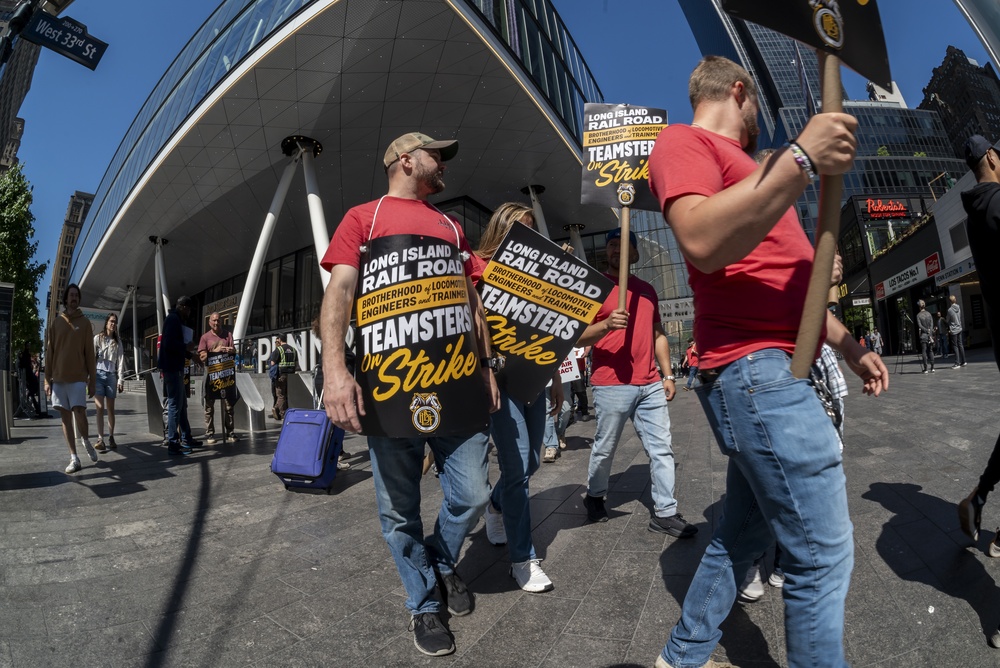
The strike ended after negotiators reached a late-night agreement that restored phased rail service beginning May 19. Under the deal, workers secured a 4.5% raise for 2026 after previously agreed increases of 3% in 2023, 3% in 2024 and 3.5% in 2025. Workers also reportedly received a $3,000 lump-sum payment, while the contract was extended into 2027.
Hochul and MTA leadership framed the settlement as a balanced compromise that protected both workers and taxpayers. The governor insisted the agreement would not require additional fare hikes or tax increases, though some commuters expressed skepticism after days of transportation chaos. By the evening rush hour after the deal was announced, trains were operating again and many riders simply welcomed the return of normal service.
Labor experts offered mixed assessments of the final agreement. Some said the unions achieved a strong outcome because they secured substantial raises without major concessions on work flexibility. Others argued public frustration over the strike and overtime revelations may have weakened public sympathy toward organized rail labor, even if workers ultimately achieved most of their contract goals.
The broader debate surrounding the LIRR appears far from over. The strike renewed longstanding questions about public-sector labor costs, transit funding and the balance between worker protections and taxpayer accountability. It also established a benchmark for future negotiations involving other major transit unions in the New York region, where officials now face mounting pressure to control costs while maintaining reliable service for millions of riders.