

Products are selected by our editors, we may earn commission from links on this page.
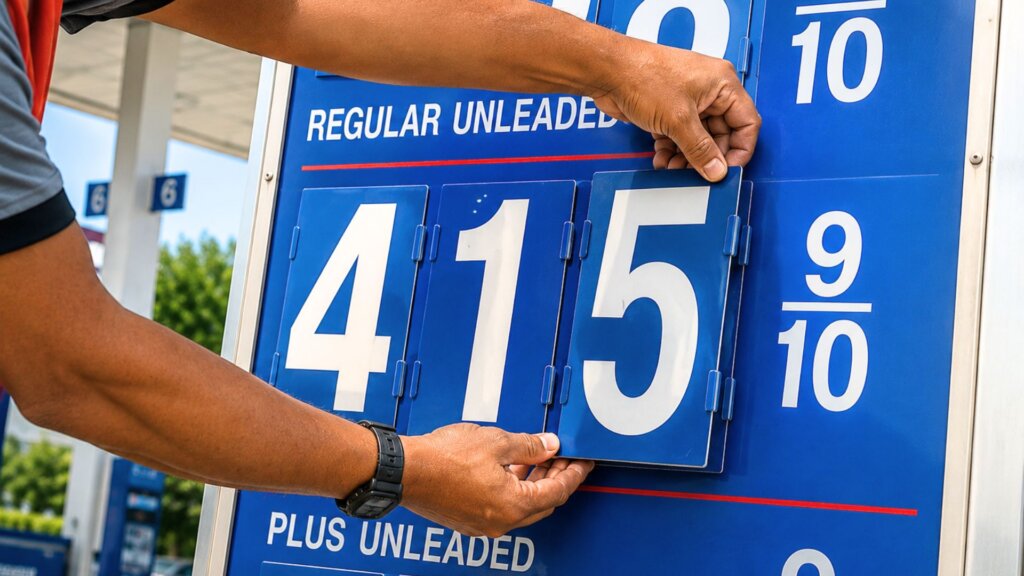
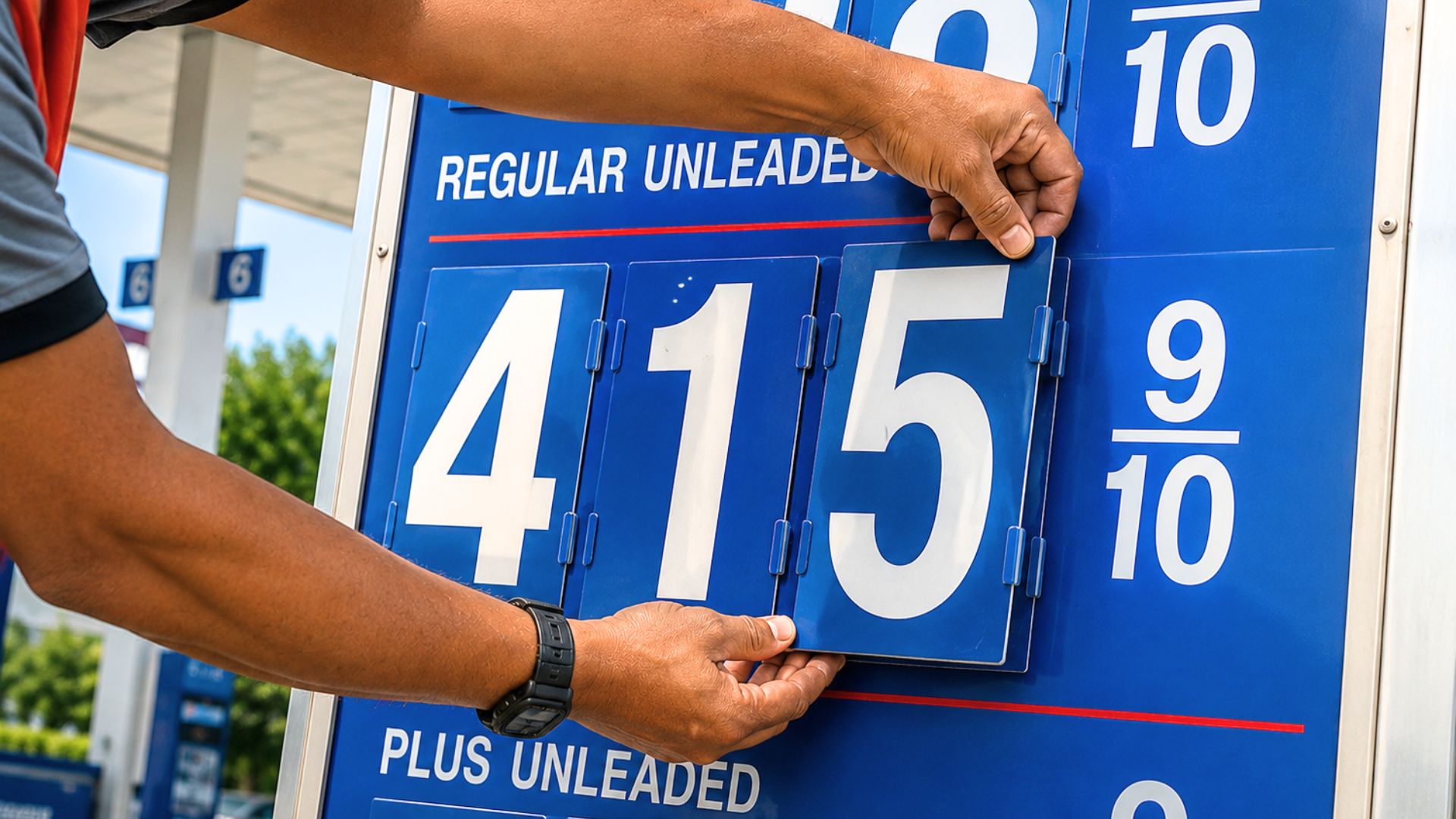
Gas prices don’t fall the same way they rise, and right now, Americans are learning that lesson at the pump. The national average for a gallon of regular gasoline hit $4.55 on May 22, more than 50% above what drivers paid before the U.S. and Israel launched strikes on Iran on February 28. President Trump has promised prices will drop fast once the conflict ends. Experts say the math simply doesn’t support that promise.
The Energy Information Administration projects the average retail price for gasoline will be $3.88 for all of 2026, up sharply from the $2.91 average the agency had projected before the war began. That revised figure assumes the Strait of Hormuz begins reopening in late May or early June. Even under that optimistic scenario, a return to prewar pricing is not expected until late 2026 at the earliest, and possibly not until 2027. The gap between what Trump is promising and what analysts are forecasting has never been wider.
Rob Smith, director of global fuel retail at S&P Global Energy, has described the situation plainly: there is a fundamental shortfall in supply that will continue to push prices upward every day the Strait of Hormuz remains constrained, regardless of what any government official says. The pressure is structural, rooted in logistics and global supply chains, and it will outlast any ceasefire announcement by months.
This article was created with the assistance of AI and reviewed by our editorial team for accuracy and clarity.
The World’s Most Important Oil Chokepoint Doesn’t Reopen Overnight
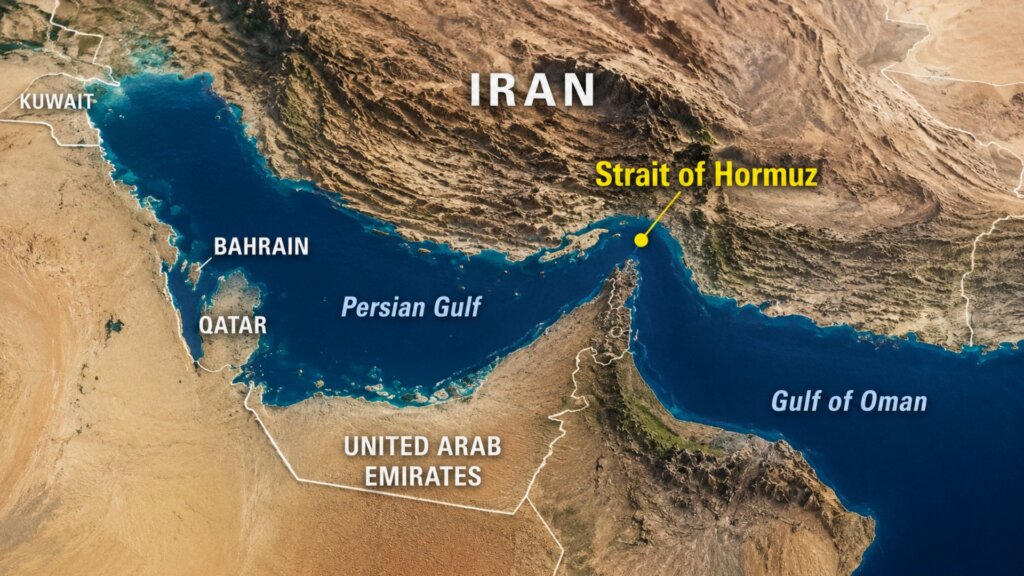
The Strait of Hormuz is the narrow passage through which roughly a fifth of the world’s crude oil and natural gas normally travels. Its effective closure since late February has triggered what analysts describe as the largest disruption to global oil supplies in history. Reopening the strait is not a switch that gets flipped with a peace agreement. It is a logistical process that will take weeks, and the full normalization of oil flows will take considerably longer.
Even after a ceasefire, the physical work of restoring oil production and transport infrastructure must begin from scratch. According to David Ruisard, U.S. products senior editor at Argus Media, it normally takes 30 to 60 days to move a barrel of crude oil from the ground to the gas pump, a timeline that covers extraction, refining, and delivery. Any damage to Gulf oil wells, refineries, or ports extends that timeline significantly, and the full extent of infrastructure damage remains unknown.
Oil tankers known as very large crude carriers, each holding roughly 2 million barrels of oil, travel at approximately 14 miles per hour. According to Denton Cinquegrana, chief oil analyst at Dow Jones Energy, clearing the backlog of vessels stranded in and around the Gulf and repositioning ships to resume normal routes could take at least three to five weeks on its own. The pipeline of oil from wellhead to gas station is far longer than most Americans realize, and every stage in that chain is currently backed up.
A Recovery Measured in Months, Not Days
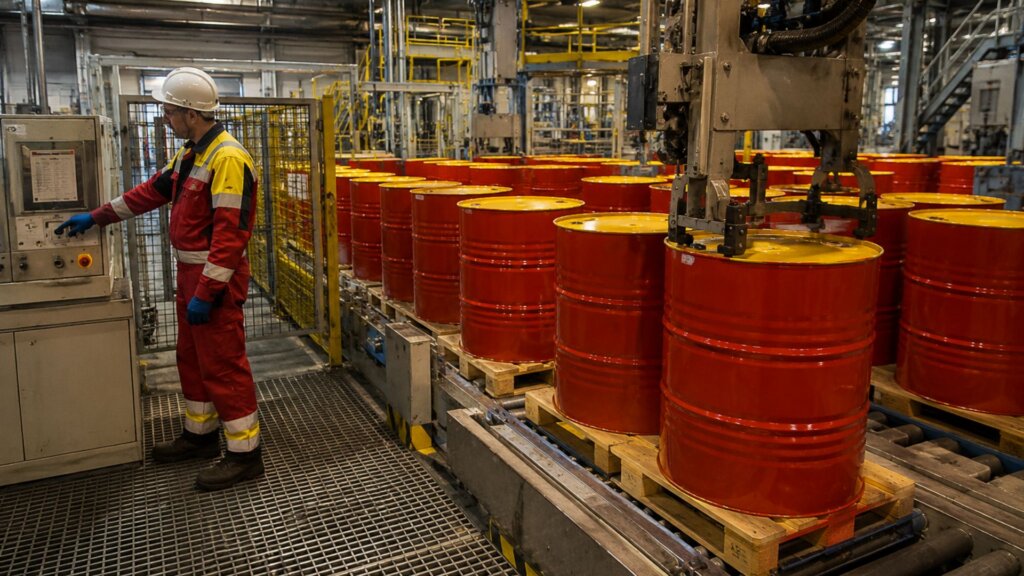
Cinquegrana’s baseline estimate is that the minimum recovery time will be at least as long as the conflict itself has lasted. Patrick De Haan, head of petroleum analysis at GasBuddy, has said that pump prices will likely not fully normalize until well into 2027, even if the Strait of Hormuz reopens. Industry estimates for a full return to prewar price levels range from six months to two years, depending on how quickly infrastructure is restored and supply chains are unsnarled.
De Haan has also warned that the market needs to see verifiable, definitive steps taken to reopen Hormuz before the prospect of $5 gasoline is taken off the table. If the strait remains blocked through the summer, prices could push toward that threshold and possibly beyond, particularly as the U.S. Memorial Day driving season puts additional demand pressure on an already strained supply. Global oil inventories are declining fast, with experts estimating just four to six weeks before gasoline, diesel, and jet fuel prices rise further as stockpile buffers are exhausted.
Fuel prices will also vary by product type in the recovery. Jet fuel could normalize faster than gasoline or diesel because airlines can reduce flights and drop routes to offset costs. Gasoline, in turn, may recover ahead of diesel, which has faced tight U.S. production for several years. The return to prewar normalcy will be uneven across the fuel market, meaning the pain will linger in some sectors long after others have stabilized. Diesel-dependent industries, from freight to farming, face the longest road back.
Even Peace Won’t Erase the Price Tag, at Least Not This Year
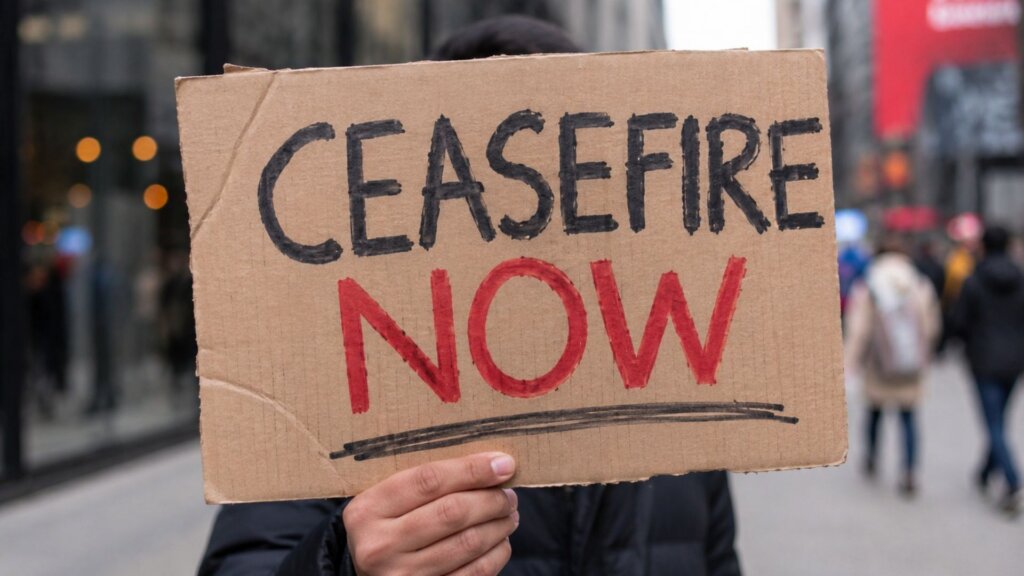
A ceasefire announcement could trigger a short-term drop at the pump. De Haan says prices could retreat within two to three days on the sentiment that the war has ended, but that initial relief would be driven by psychology, not by any actual change in supply. The underlying fundamentals remain unchanged until oil flows resume, refineries restart, and tankers complete their deliveries.
Cinquegrana has noted that even after the war ends, demand could remain elevated as countries will need to replenish the inventories they have been draining throughout the conflict. Nations that were hit hardest by the supply shock may also move to build new strategic petroleum reserves as a safeguard against future disruptions. That added demand, stacked on top of a slow supply recovery, would further delay the return of prices Americans were paying before February 28.
Cinquegrana said he “wouldn’t be surprised” if countries like Pakistan, India, South Korea, and Japan go through the exercise of adding strategic reserves to protect themselves from an event like this ever happening again. The war may end, but its economic aftershock is being written into the global energy system. Prewar gas prices of roughly $3 a gallon nationally reflected a world that no longer exists. What comes next will be shaped by how deeply this disruption has rewired the way countries think about energy security and just how much they are willing to pay to avoid being caught exposed again.