


Products are selected by our editors, we may earn commission from links on this page.

Artificial intelligence continues to play an increasingly important role in national security, economic competitiveness, and technological leadership. In a new executive order, President Donald Trump outlined a strategy designed to strengthen the United States’ position in AI while enhancing cybersecurity protections. The policy introduces a voluntary framework that encourages collaboration between leading AI developers and federal agencies without imposing new regulatory barriers on innovation.
White House Unveils New AI Strategy
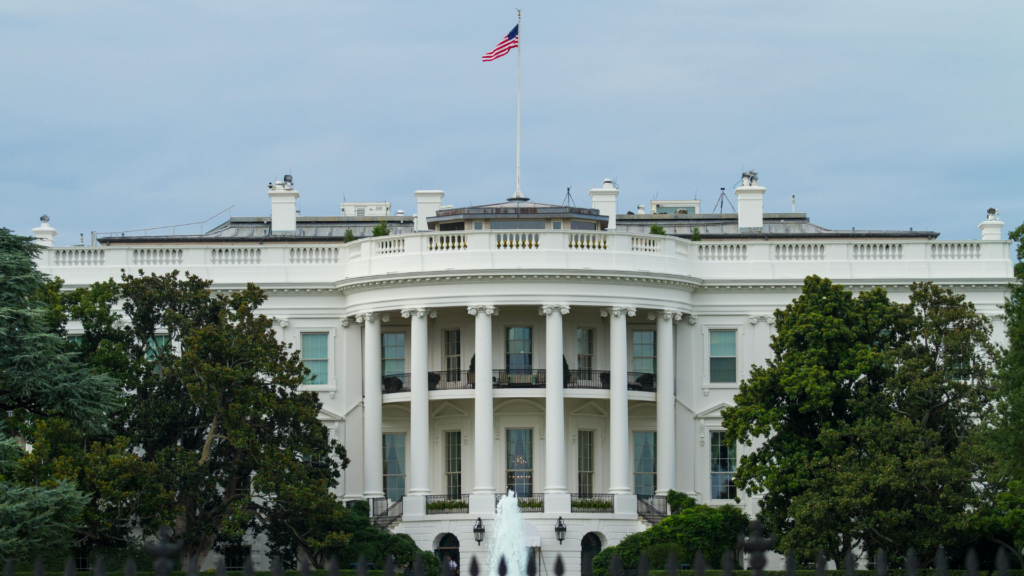
President Trump signed a new executive order focused on advancing artificial intelligence capabilities while reinforcing cybersecurity across federal systems. The administration described the initiative as a way to support innovation, strengthen national security, and maintain America’s leadership in one of the world’s most competitive technological sectors.
Balancing Innovation And Security

A central objective of the order is to promote the responsible development of advanced AI technologies without creating obstacles for companies operating in the field. The administration emphasized that technological progress remains a national priority and that excessive regulation could slow innovation at a critical moment for global competition.
Concerns About Global Competition
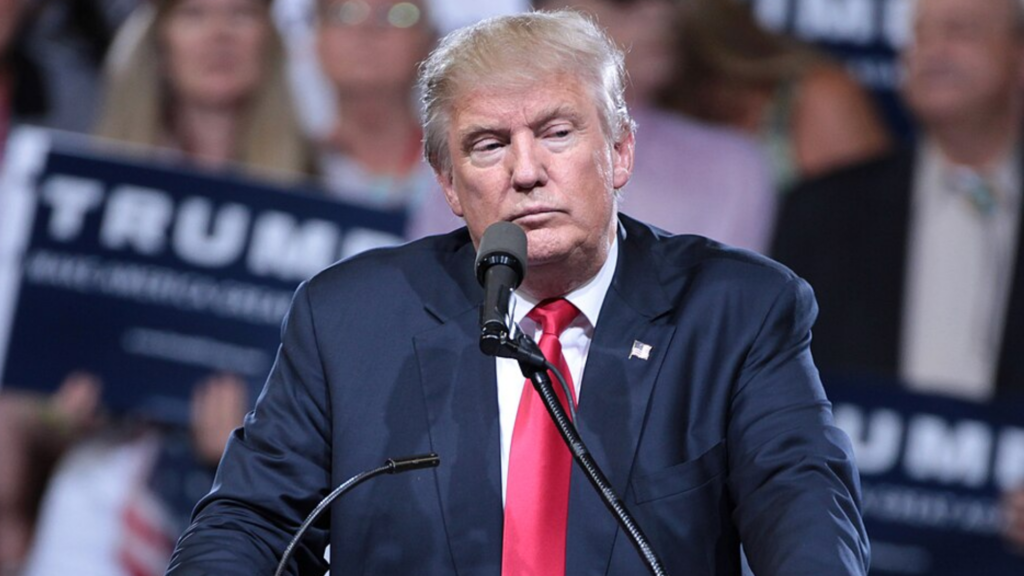
The president previously delayed signing an earlier version of the executive order after expressing concerns that certain provisions might hinder the country’s ability to remain ahead of international rivals. Trump argued that preserving the United States’ competitive advantage in artificial intelligence is essential as other nations continue investing heavily in the technology.
Defining Frontier AI Models

The executive order calls for the creation of a classified evaluation process to identify what the government considers “frontier” AI models. These systems represent some of the most advanced developments in the field and are expected to possess capabilities that exceed those of conventional AI technologies currently available.
Voluntary Early Access Program

One of the most notable aspects of the policy is a program that invites AI companies to voluntarily provide federal agencies with access to advanced models up to 30 days before public release. The initiative aims to give government experts time to assess potential cybersecurity implications and prepare defensive measures when necessary.
Cybersecurity Risks Associated With Advanced AI

Recent advances in artificial intelligence have demonstrated that highly capable systems can identify software vulnerabilities that may have gone unnoticed for years. While this capability can improve security, experts have also warned that malicious actors could potentially exploit such discoveries, creating new challenges for governments and organizations worldwide.
Industry Examples Influence Policy Discussions

The executive order arrives amid growing industry efforts to address cybersecurity concerns linked to powerful AI tools. Earlier this year, AI company Anthropic announced plans to provide selected partners with early access to its advanced model, Mythos, allowing organizations to strengthen their defenses before broader deployment.
No Mandatory Approval Requirements

The administration made clear that participation in the new framework remains entirely voluntary. According to the order, the federal government will not establish mandatory licensing, permitting, or pre-approval requirements for the creation, publication, or distribution of new AI systems, including frontier models.
Expanding Federal Cybersecurity Programs

The directive also instructs federal agencies to strengthen cybersecurity initiatives that incorporate artificial intelligence into defensive operations. These efforts are intended to improve the government’s ability to detect threats, respond to attacks, and safeguard critical infrastructure from emerging digital risks.
Coordinated Efforts Across Government Agencies

Several senior officials, including leaders from the departments of Homeland Security, Defense, and Treasury, along with representatives from the National Security Agency, are expected to collaborate with AI developers on a cybersecurity clearinghouse. This initiative would focus on identifying software weaknesses, sharing information, and improving resilience against increasingly sophisticated cyber threats while supporting continued innovation in the AI sector.