

Products are selected by our editors, we may earn commission from links on this page.
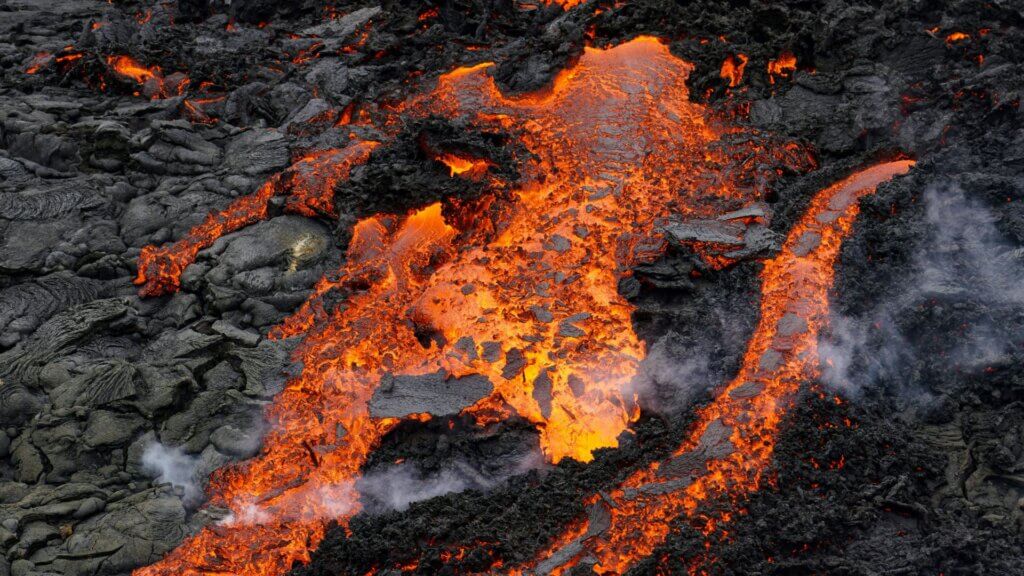
A volcano that remained largely silent for more than four decades is once again drawing the focus of specialists. Subtle but notable changes have been identified at El Chichón, a stratovolcano in southern Mexico whose 1982 eruption left a deep mark on the region’s history.
Recent field campaigns carried out by researchers from National Autonomous University of Mexico detected rising temperatures, visible gas emissions, and unusual sulfur formations within the crater. These observations, recorded between June and December 2025, suggest that the volcano’s internal system remains active, even after decades without an eruption.
Although these developments may sound alarming, scientists clarify that there is currently no evidence of magma ascending toward the surface. The activity appears to be linked to hydrothermal dynamics, processes involving heated groundwater interacting with hot rock, rather than to an imminent volcanic event.
Changing Chemistry Beneath the Crater Lake
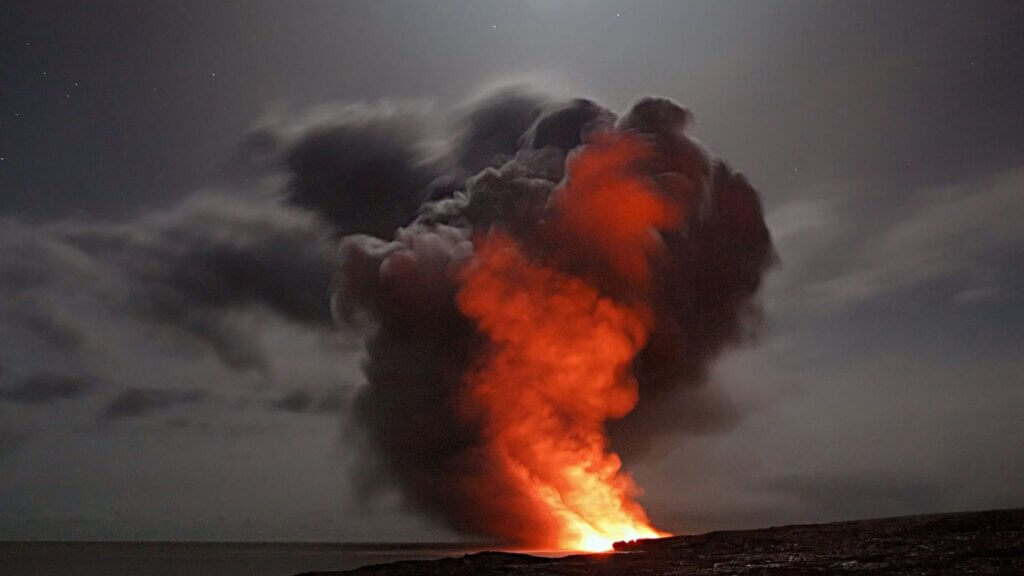
One of the most striking transformations has occurred in the crater lake. Traditionally green due to algae presence, the water recently shifted to a grayish tone, an alteration that indicates higher concentrations of sulfates and silica. Such chemical fluctuations often reveal that subsurface fluids are circulating more intensely than usual.
Thermal readings also show elevated heat levels across the lakebed and surrounding crater floor. In parallel, researchers documented variations in chloride content and evolving interactions between gas and water, further supporting the idea of active hydrothermal circulation beneath the volcano’s surface.
Gas analyses identified hydrogen sulfide and carbon dioxide accumulating near the crater. In enclosed or low-lying areas, these gases can pose health risks if concentrations increase. However, experts emphasize that emissions of this kind are common in hydrothermal environments and do not automatically signal that an eruption is approaching.
Lessons from 1982 and What Makes Today Different
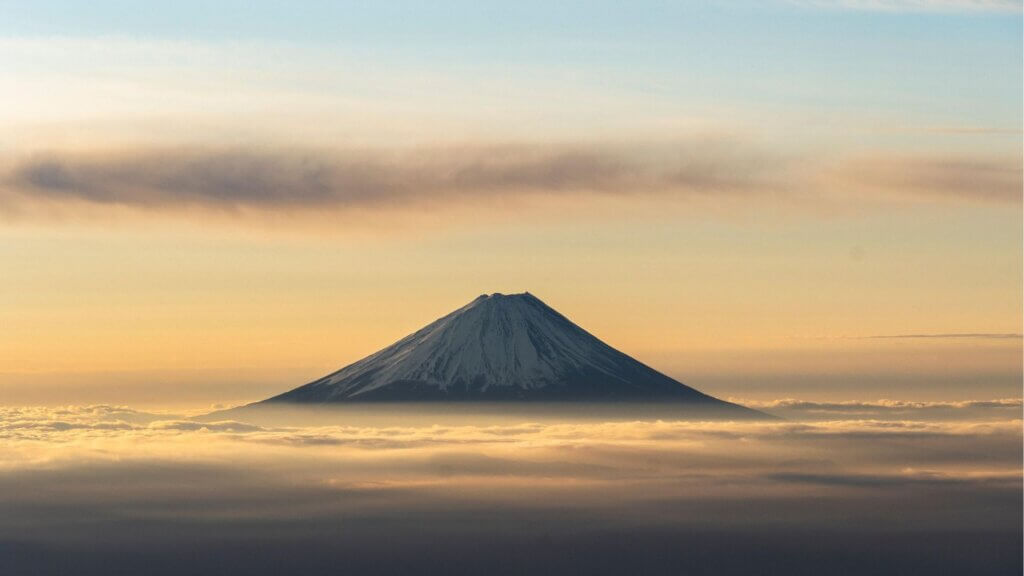
The memory of the 1982 eruption remains vivid in southern Mexico. Beginning in late March of that year, El Chichón unleashed powerful explosions that destroyed entire communities, displaced thousands of residents, and caused widespread environmental and economic damage.
Ash columns rose high into the atmosphere, while pyroclastic flows buried villages and farmland. Coffee plantations, livestock, and infrastructure suffered severe losses, leaving long-term consequences for the region’s development and stability.
Current conditions, however, differ significantly from those observed before the 1982 disaster. Seismic monitoring shows low levels of earthquake activity, suggesting that magma is not moving upward. Specialists explain that the present signals are consistent with steam-driven or hydrothermal processes, not with a major magmatic eruption in the near term.
Why Continuous Monitoring Matters
Today, the volcano serves as a crucial research site for understanding how volcanic systems evolve long after a major eruption. Its crater lake and sulfur deposits provide valuable insight into how heat and fluids reshape landscapes over extended periods.
To track ongoing changes, scientists rely on drones, satellite imagery, and ground-based instruments to measure thermal anomalies, gas plumes, and potential ground deformation. This combination of technologies allows researchers to detect subtle variations that might otherwise go unnoticed.
For now, authorities report no immediate threat to the public. Still, the renewed activity serves as a reminder that dormancy does not equal inactivity. Even decades of calm can conceal dynamic processes underground, and sustained scientific observation remains essential for safeguarding nearby communities.