

Products are selected by our editors, we may earn commission from links on this page.
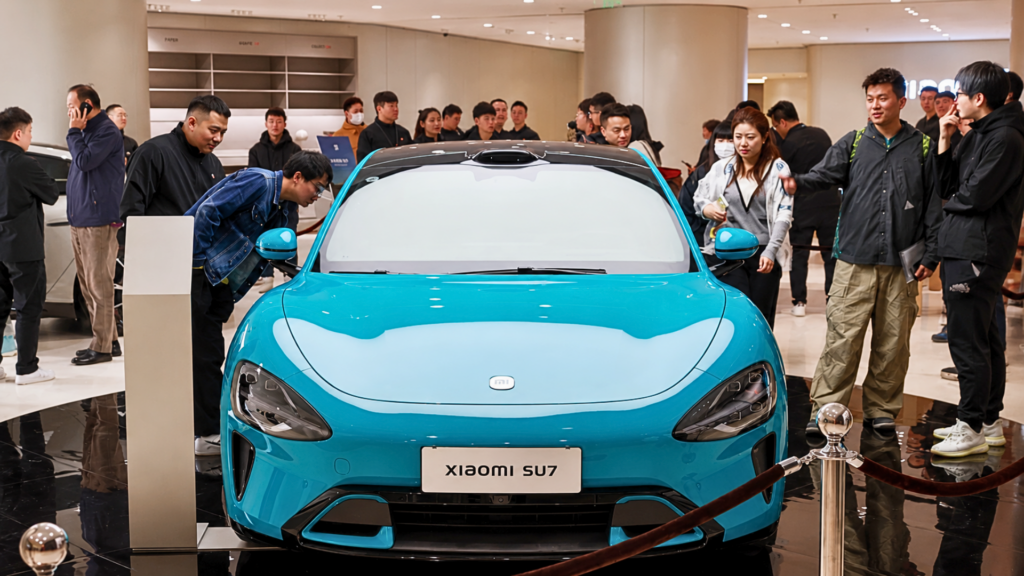
For the price of one average new car in the United States, a Chinese consumer can walk into a showroom and drive away in five brand-new electric vehicles, with change to spare. That is not a scam. The average new car in America costs around $50,000. In China, there are more than 200 battery-powered models priced below the equivalent of $25,000. So what explains the enormous gap?
A $50,000 Average, and a Market That Left Cheap Cars Behind
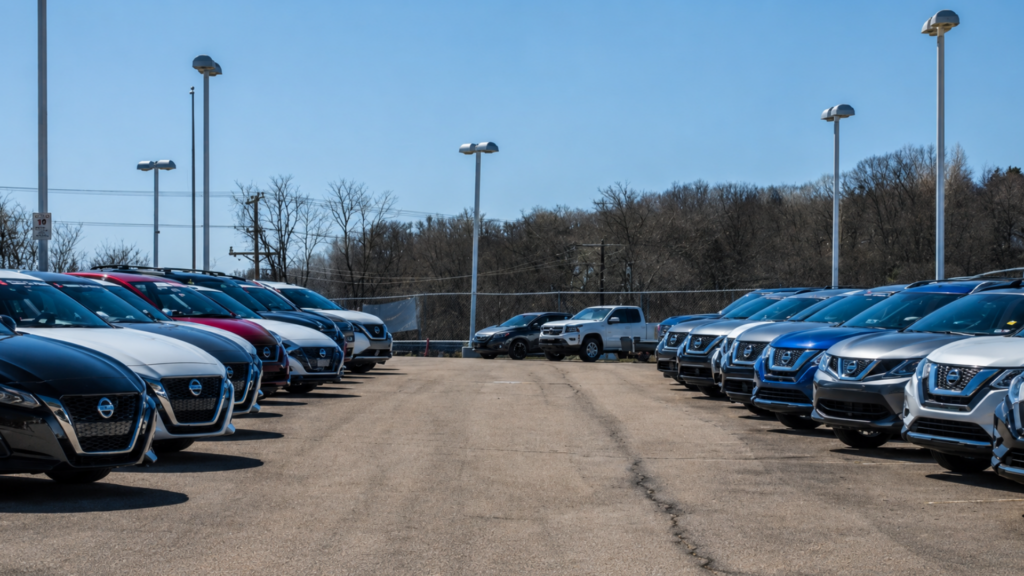
According to Kelley Blue Book, the average list price of a new car in the United States reached $51,456 in early 2025. Jalopnik reports that there is virtually no new car on American lots available under $20,000, a segment that has almost completely disappeared. Budget staples like the Mitsubishi Mirage and Nissan Versa have been discontinued. The affordable end of the market did not just shrink. It effectively vanished, leaving millions of Americans with fewer and pricier choices than ever before.
What $10,000 Gets You in China
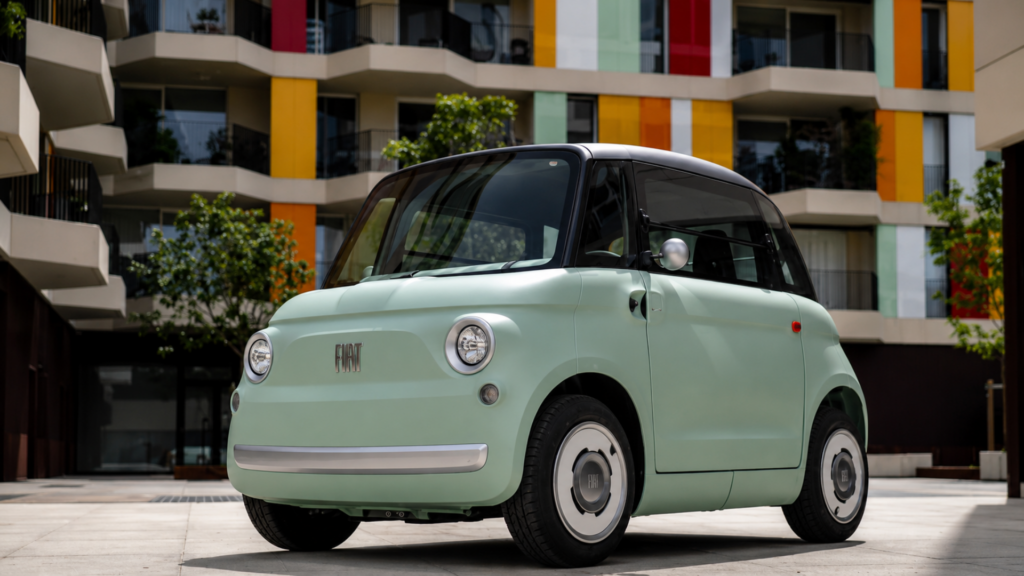
At China’s 2025 Beijing Auto Show, the contrast was impossible to miss. The top-selling car in all of China for 2025 was the Geely EX2, a pure electric vehicle starting at just $10,060. It features a 14.6-inch touchscreen, a front storage trunk, and a top-trim range of roughly 255 miles. Auto analyst Felipe Munoz described the feel of the car as punching well above its price. “When you get in, you don’t feel like you are in a small car,” he said. None of these models are sold in American showrooms.
BYD’s Budget EVs Are Selling in the Millions
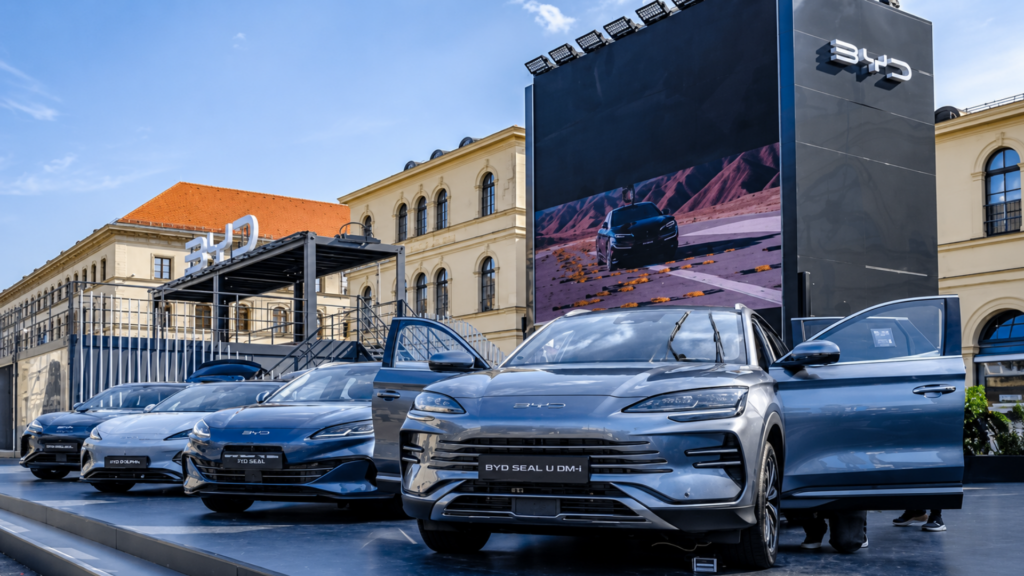
BYD, China’s largest electric vehicle maker, sells three models starting under $12,000: the Seagull at $10,200, the Yuan UP at $10,945, and the Qin Plus DM at $11,675. Together, those three models accounted for 700,000 sales over the past year in China alone. The 2026 Seagull now includes an optional lidar system for automated lane changing, fast charging, and a premium battery range of about 314 miles. That is competitive with cars costing three to five times more in the United States.
How China Built a Machine for Making Cheap EVs
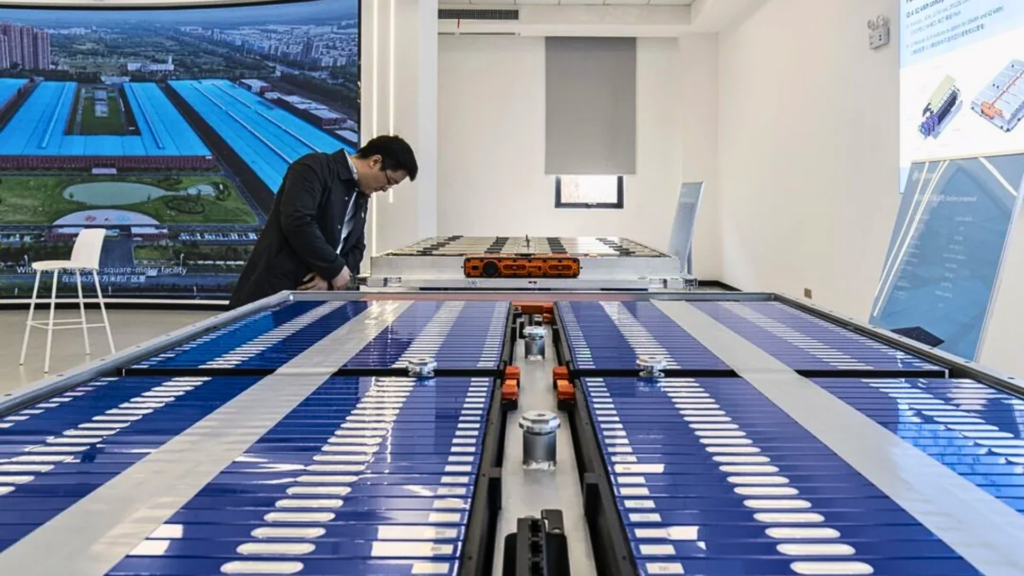
China’s price advantage is the result of several factors working together. The country controls roughly 90% of global magnesium production and dominates battery manufacturing, slashing the raw material costs that drive up prices elsewhere. Government subsidies have supported Chinese automakers for years, helping them scale faster and absorb losses while building volume. According to SlashGear, China also holds enormous silicon processing capacity, removing import costs entirely from the electric component supply chain.
The American Market Chose Bigger, Not Cheaper

American automakers made a strategic choice over the past two decades: focus on large, high-margin vehicles like trucks and SUVs rather than affordable compact cars. Ford’s F-150 has been the top-selling vehicle in the United States for over 40 consecutive years. This shift was profitable in the short term, but it hollowed out the affordable segment. Combined with higher labor costs, dealer network overhead, and the weight of long-running legacy platforms, analysts at Jalopnik note the American market is now structurally expensive.
Why Chinese EVs Are Blocked at the Border

Chinese electric vehicles face a 100% import tariff in the United States, imposed under the Biden administration and maintained under President Trump. A 2025 federal rule also bans vehicles containing Chinese-origin software or connected systems, covering roughly 90% of Chinese EVs, according to regulators. Legal analysts note these measures are justified on grounds of national security and unfair trade practices, but critics say they also insulate American automakers from meaningful competition and keep prices high for consumers.
America Offers 19 Long-Range EVs. China Offers 41
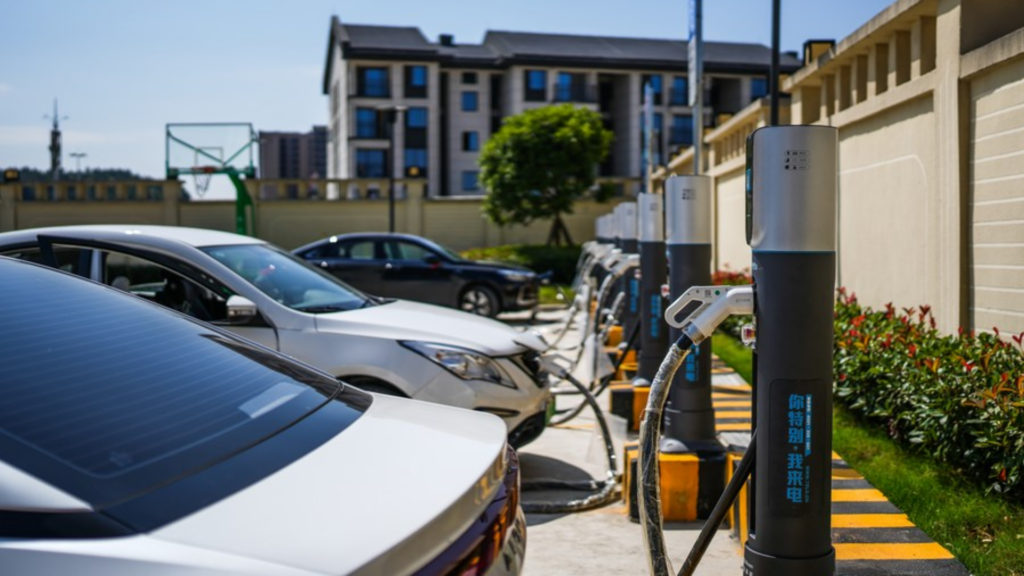
The gap in EV choice between the two countries is wide and growing. Research published in the journal Science found that China offers 41 different electric vehicle models with a range above 300 miles, at an average price of $44,500. The United States offers just 19 such models, at an average price of $83,100. Nearly half of all new cars sold in China in 2024 were electric. In the United States, that figure was under 10%. The technological and affordability lead is not narrowing. It is widening.
The Workarounds Chinese Automakers Are Already Trying
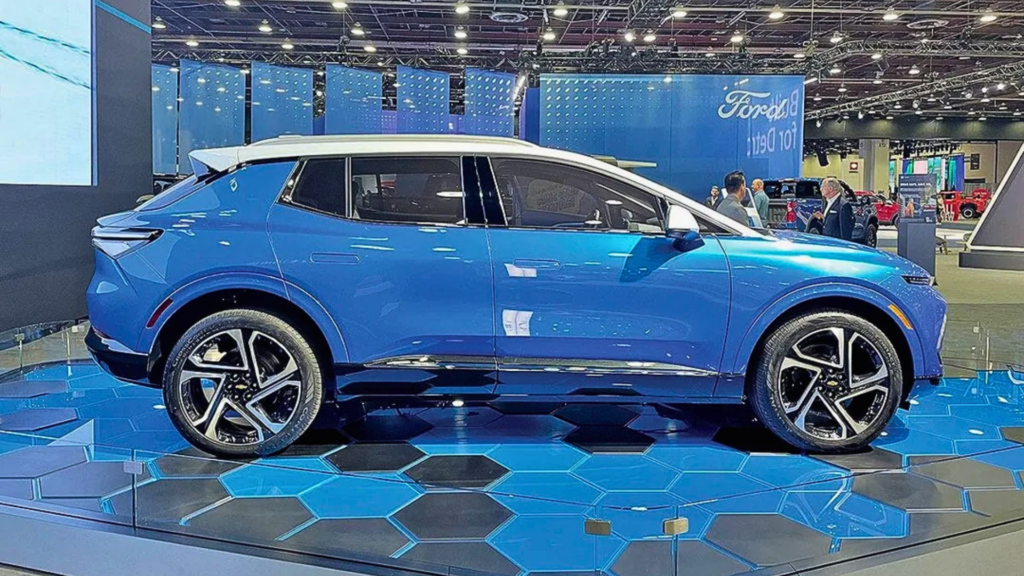
Some Chinese automakers are looking for ways around tariff walls. BYD and other manufacturers have been investing in production facilities in Mexico, where vehicles assembled under the USMCA trade agreement face lower tariffs than those shipped directly from China. Geely already sells cars in the United States through its Volvo and Polestar brands, built to American standards and assembled outside China. If diplomatic conditions shift or trade deals evolve, analysts say low-cost Chinese EVs could eventually reach American buyers through indirect routes.
A $40,000 Question American Consumers Are Starting to Ask

The price difference between American and Chinese cars is not just a curiosity. It reflects decades of policy choices, industrial strategy, and political trade-offs that have left U.S. consumers paying some of the highest new car prices in the world. Tariff walls may protect American jobs in the short term, but they also shield manufacturers from the kind of competition that historically drives quality up and prices down. Whether Americans will ever get access to a $12,000 electric vehicle may be the defining question of the next automotive decade.