

Products are selected by our editors, we may earn commission from links on this page.
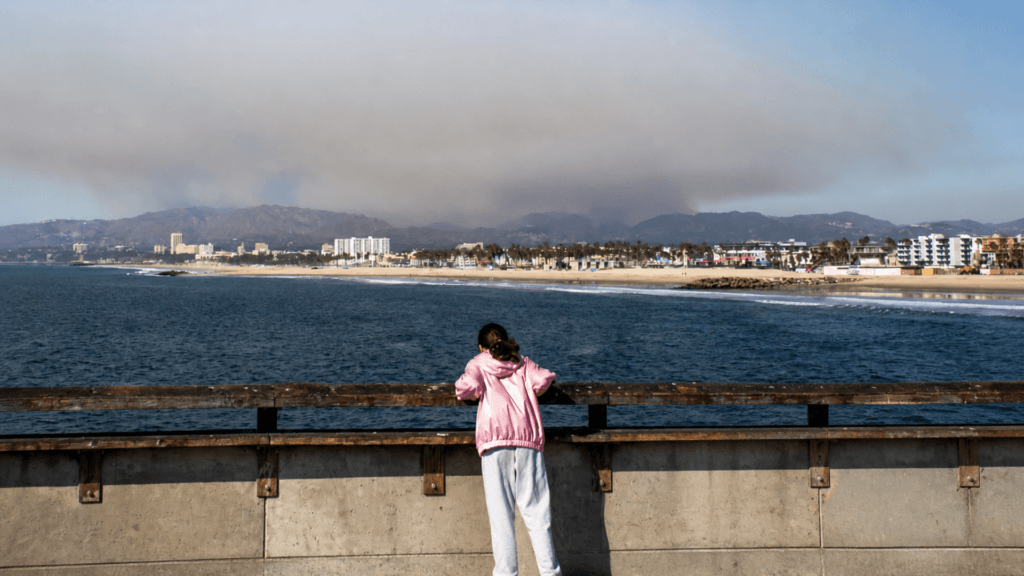
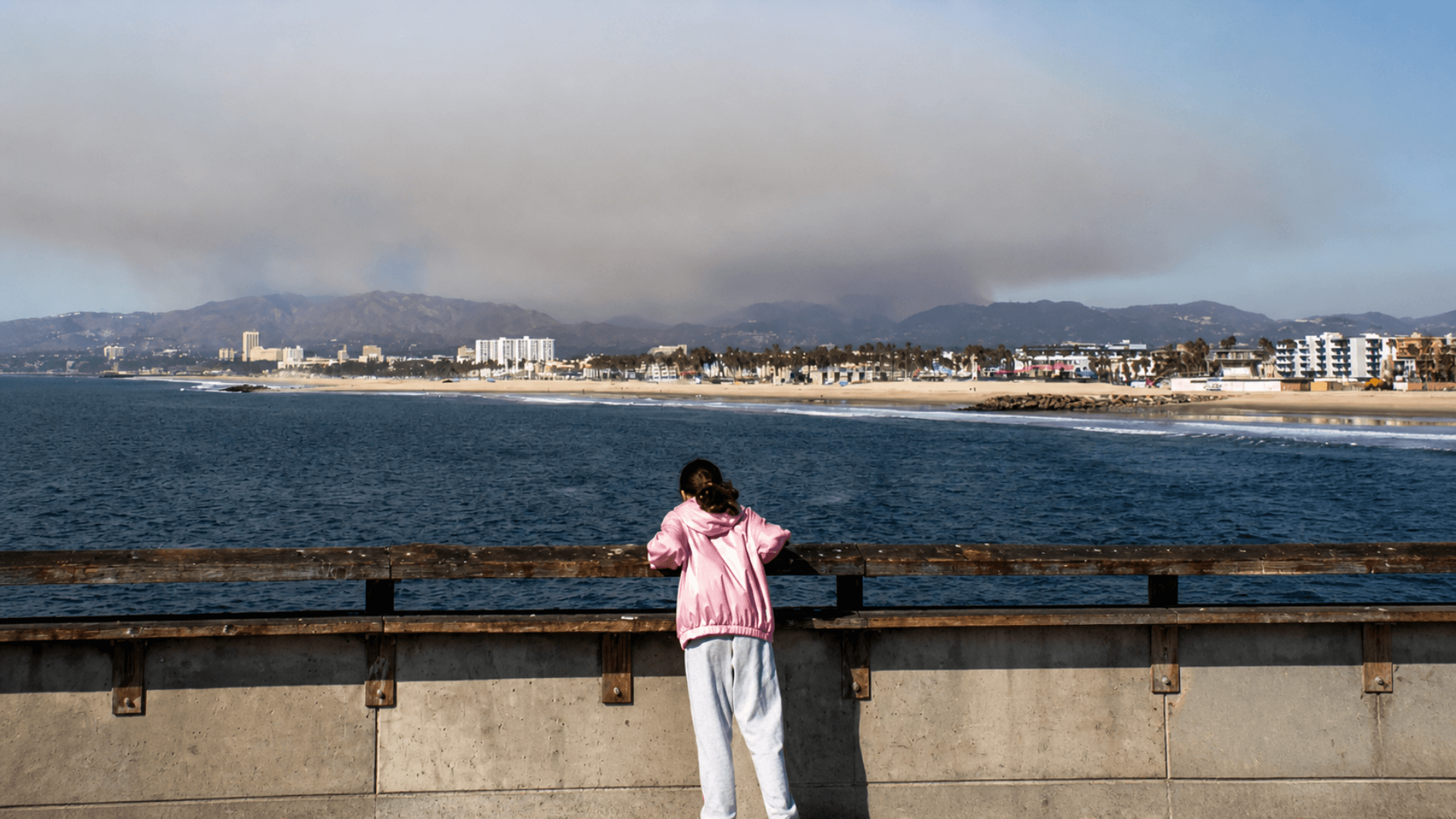
33.5 million children, representing 46% of all kids in the United States, live in areas that received a failing grade for at least one measure of air pollution, according to the American Lung Association’s latest State of the Air report. It is happening right now, in American neighborhoods, schoolyards, and backyards. And the conditions driving it are getting harder to reverse. The cities topping the worst lists may surprise you.
What “Unhealthy Air” Actually Means
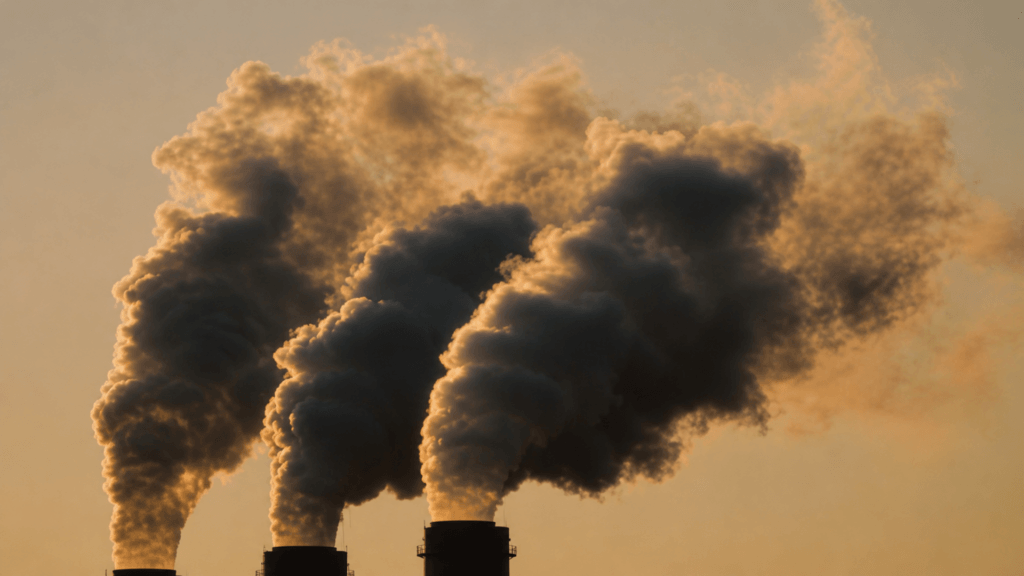
The American Lung Association’s annual State of the Air report grades counties based on two types of pollution: ozone, commonly known as smog, and particle pollution, known as soot. Both are measured over short-term spikes and longer periods. In total, 44% of the U.S. population, roughly 152 million people, live in areas with unhealthy levels of pollution. Counties are graded like report cards. Failing grades mean residents are regularly exposed to air that can damage their health, sometimes without ever knowing it.
Why Children Bear the Biggest Burden
Children’s lungs are still developing, they breathe more air for their body size than adults, and they are frequently exposed to outdoor air, according to the American Lung Association. That combination makes them uniquely vulnerable. According to Kevin Stewart, director of environmental health at the Lung Association and a co-author of the report, pollution exposure does not just trigger asthma attacks. It can cause asthma in children who would never have developed it otherwise, and reduce lung function for the rest of their lives.
Smog Is Spreading to More Communities
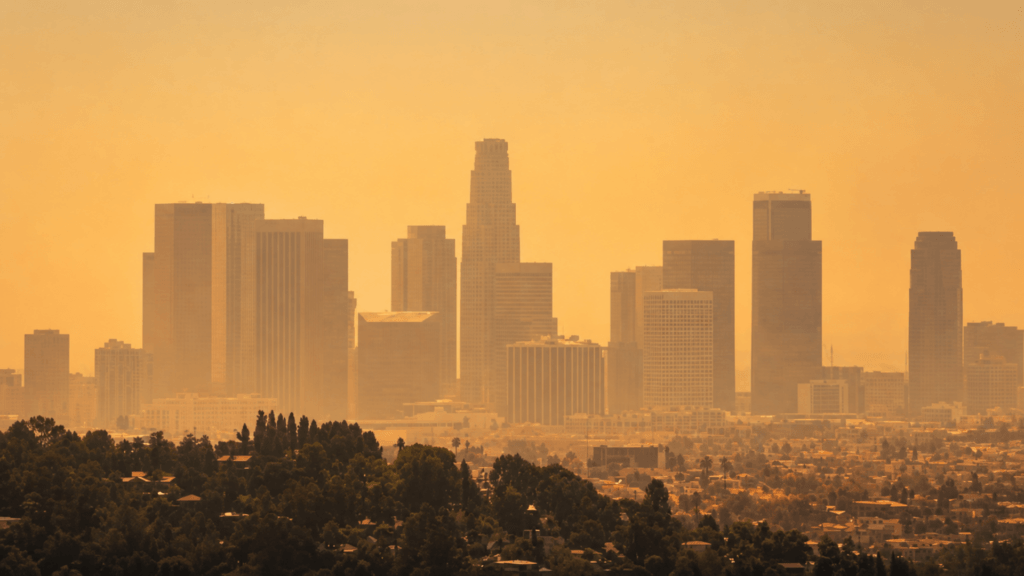
More than 129 million people, representing 38% of the nation’s population, lived in counties earning failing grades for ozone pollution, nearly 4 million more than the previous year’s report. Extreme heat and wildfires, both intensified by climate change, drove much of this increase. Central states from Minnesota to Texas and a wide corridor stretching from California to Texas saw some of the most significant rises. The smog problem, experts warn, is no longer confined to the coasts.
The Most Polluted Cities in America Right Now
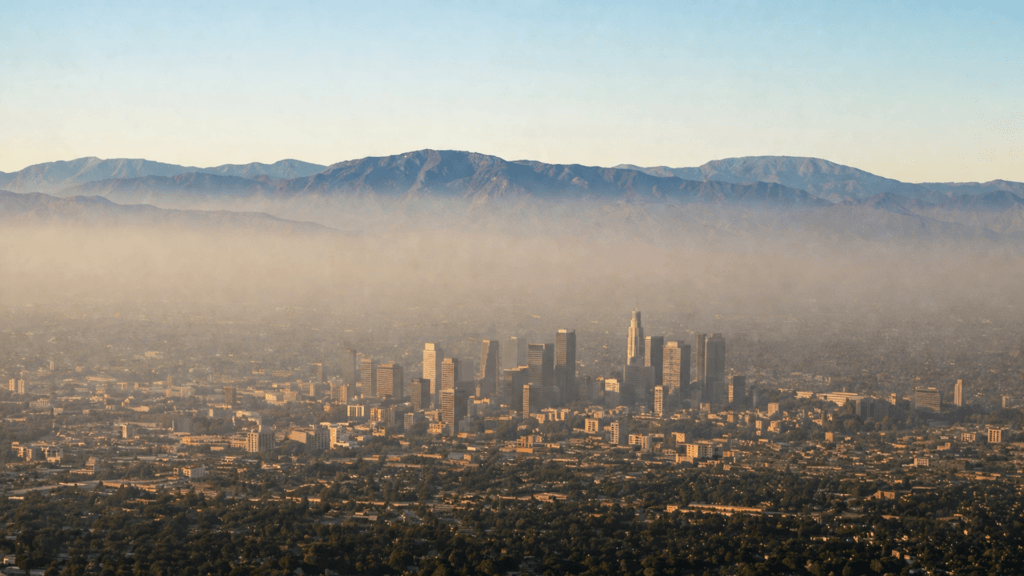
Bakersfield-Delano, California, continued to rank highest for worst year-round particle pollution. The five most polluted cities, according to the American Lung Association report, are Bakersfield-Delano, California; Brownsville-Harlingen-Raymondville, Texas; Eugene-Springfield, Oregon; Fresno-Hanford-Corcoran, California; and San Diego-Chula Vista-Carlsbad, California. A separate review by the Swiss company IQAir also flagged El Paso, Texas, and Los Angeles, California, among the nation’s most polluted areas.
The Cities Where the Air Is Cleanest
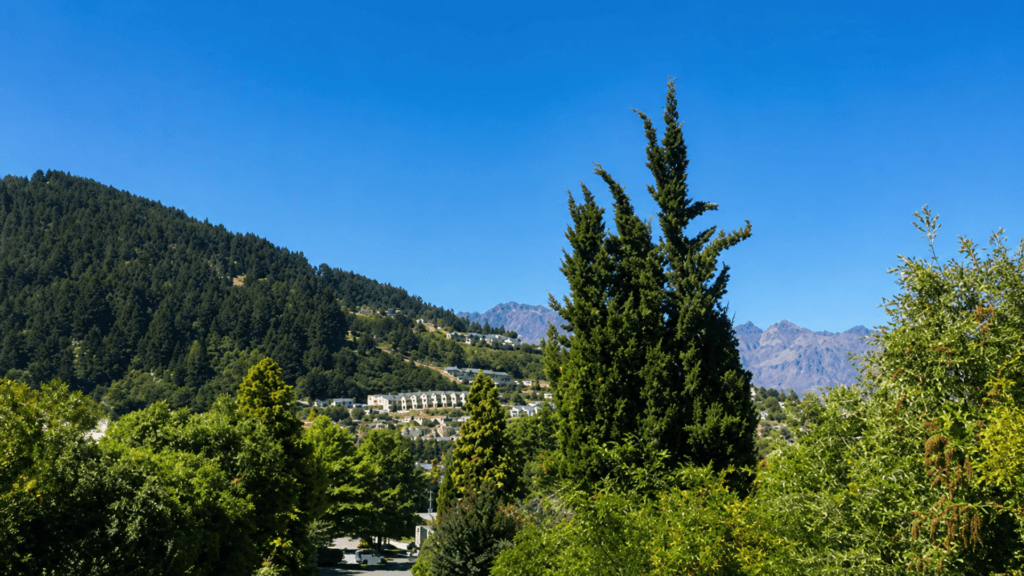
When measuring year-round particle pollution, Bozeman, Montana, topped the American Lung Association’s list of cleanest cities, followed by Casper, Wyoming, which had held the top spot in 2025. The five cleanest cities are Bozeman, Montana; Casper, Wyoming; Kahului-Wailuku, Hawaii; Urban Honolulu, Hawaii; and Burlington-South Burlington-Barre, Vermont. These cities share a mix of geography, lower industrial activity, and favorable wind patterns, but clean air, experts say, rarely happens by accident.
AI Data Centers Are Now Part of the Pollution Problem
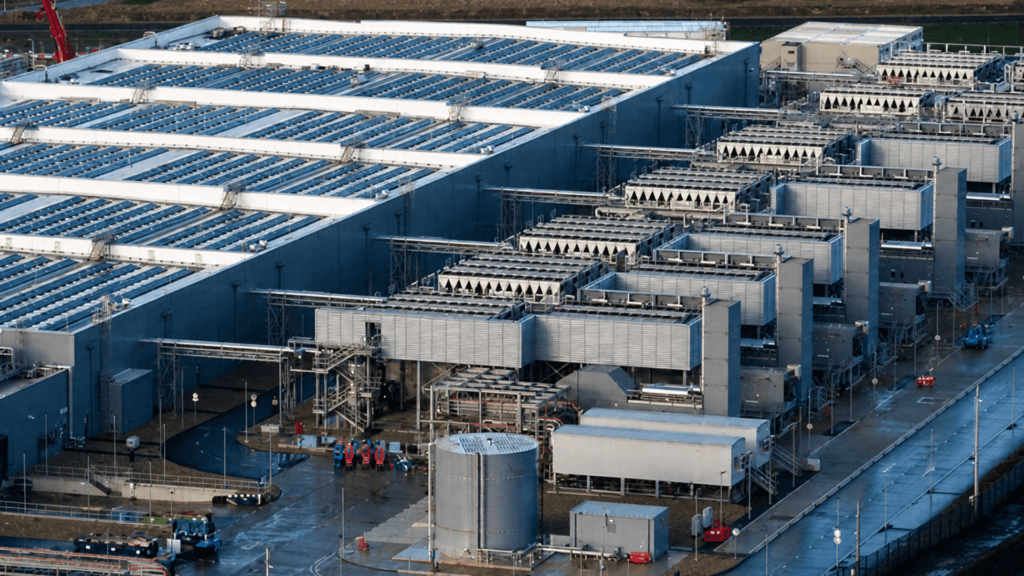
The new air quality report warned that data centers used to train, maintain, and operate artificial intelligence models are increasingly contributing to air pollution. According to Stewart, the Lung Association is raising the alarm to ensure that any new data centers, whether powered by fossil fuels or backup generators, use the most advanced pollution controls available. As AI expands rapidly, the energy demands driving it are creating an environmental cost that is only beginning to be measured and understood.
Federal Rollbacks Are Making a Bad Situation Worse
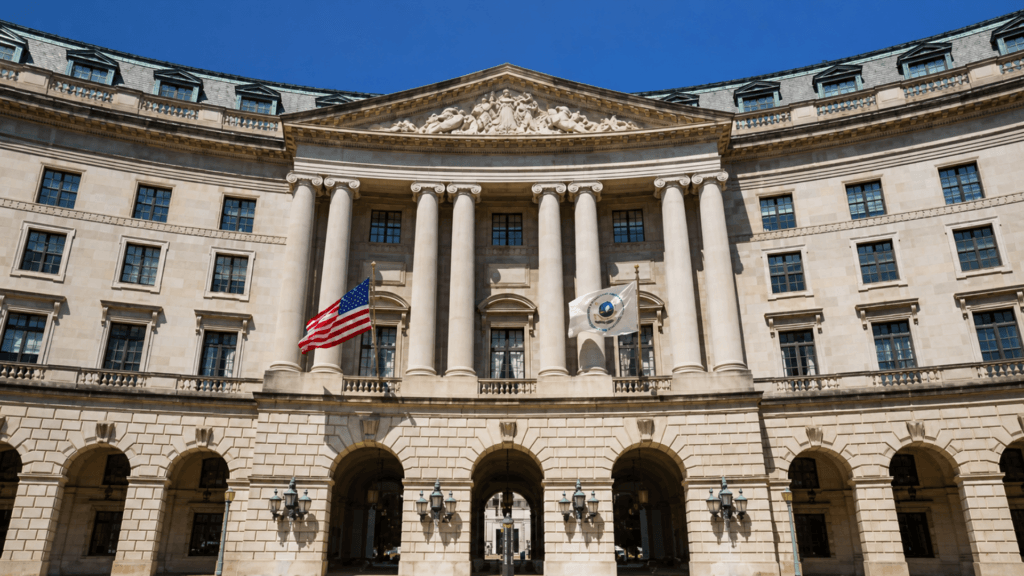
The EPA repealed its landmark “endangerment finding” in February, meaning greenhouse gases from cars, power plants, and other large-scale sources would no longer be regulated by the federal government. The American Lung Association called this a direct threat to children’s health, writing in its report that the EPA has acted to weaken, delay, or revoke key health protections. Harold Wimmer, president and CEO of the Lung Association, said that now is the time to strengthen air pollution standards, but EPA is doing the opposite.
The Long-Term Damage No One Can See
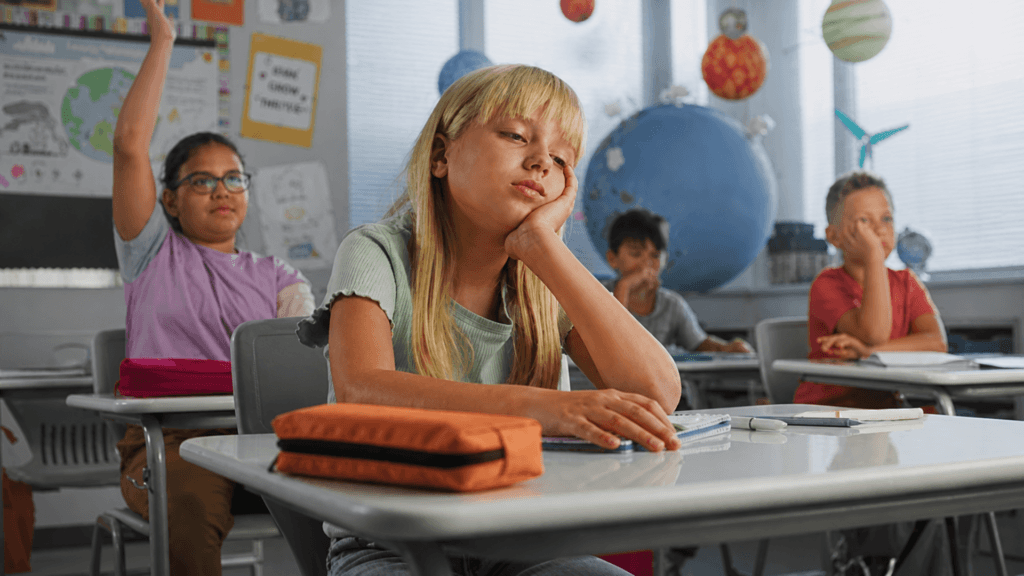
Long-term exposure to air pollution is associated with impaired lung function, increased risk of certain cancers, and cognitive effects that can make it harder for children to concentrate and succeed in school, according to the American Lung Association. People of color in the U.S. are more than twice as likely as white individuals to live in a community with failing grades on all three pollution measures, meaning the crisis does not fall evenly. The children least able to avoid it are often the ones most exposed to it.
Clean Air Was Never Guaranteed. Now It Is Under Threat.
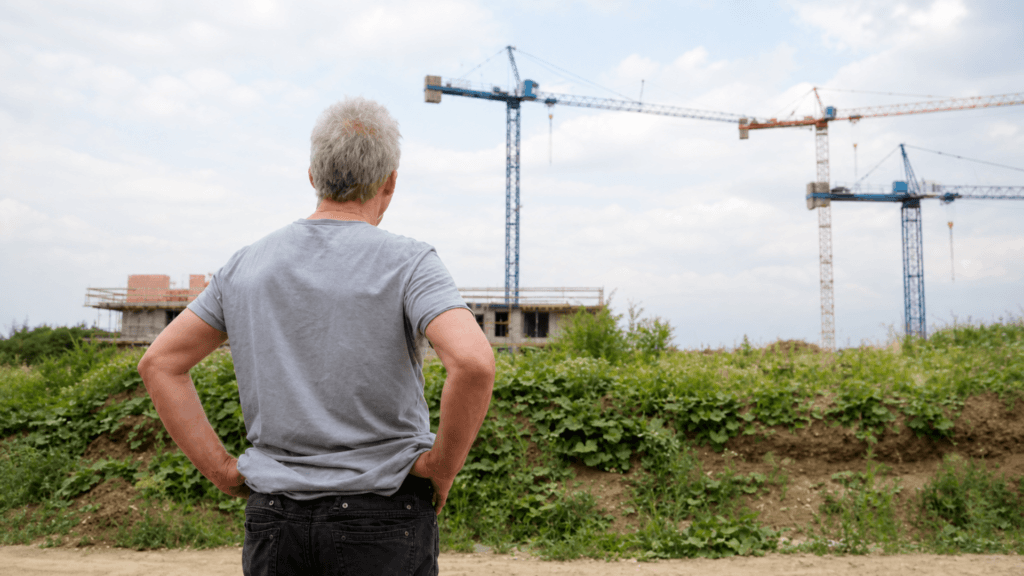
Emissions fell massively after the Clean Air Act was signed in 1970, but climate change and policy rollbacks are now threatening to reverse decades of progress. The State of the Air report makes clear that cleaner air is achievable, because the U.S. has done it before. The harder question is whether the political will exists to do it again, at a moment when the children most vulnerable to pollution are also the ones with the least power to demand something better.