


Products are selected by our editors, we may earn commission from links on this page.

Balancing a side hustle with a regular day job is a modern reality for millions of people trying to get ahead. But one delivery driver took the grind to a shocking extreme. He managed to amass a secret fortune of over two million dollars. This massive accumulation of wealth did not come from packages or standard delivery bonuses. It came from a sophisticated operation that exploited the high-stakes pressure of university classrooms.
Authorities Uncovered A Complex Academic Fraud Ring In Liverpool
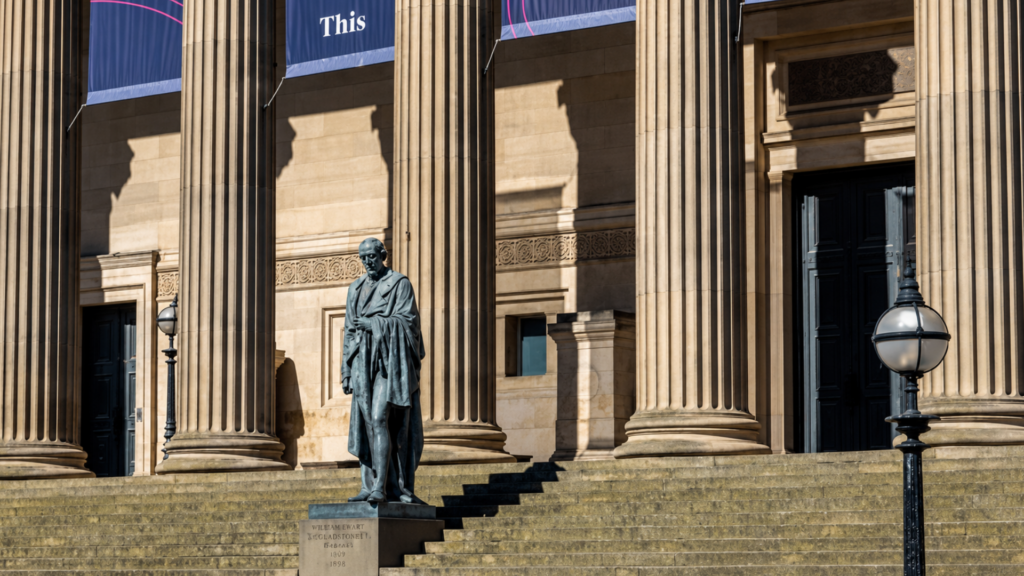
The Crown Prosecution Service recently exposed how forty-three-year-old Shahid Adnan managed this lucrative double life. While delivering packages for Amazon Flex by day, Adnan operated a hidden business called Study Sharp Ltd by night. Prosecutors revealed that this single driver was secretly running coursework and exams for over one hundred students worldwide. His lifestyle began to resemble that of a wealthy executive rather than a courier working a standard shift.
Multiple Secret Bank Accounts Held Millions In Hidden Cash

When investigators dug into the financial records, the numbers were staggering. Adnan did not just make a little extra spending money. Investigators discovered nearly two million dollars sitting in a single bank account, alongside hundreds of thousands more tucked away in secondary accounts and PayPal. That is enough cash to purchase multiple luxury homes outright. The sudden wealth funded a fleet of high-end vehicles including an Audi and a BMW.
A Careless Student Mistake Exposed The Entire Operation
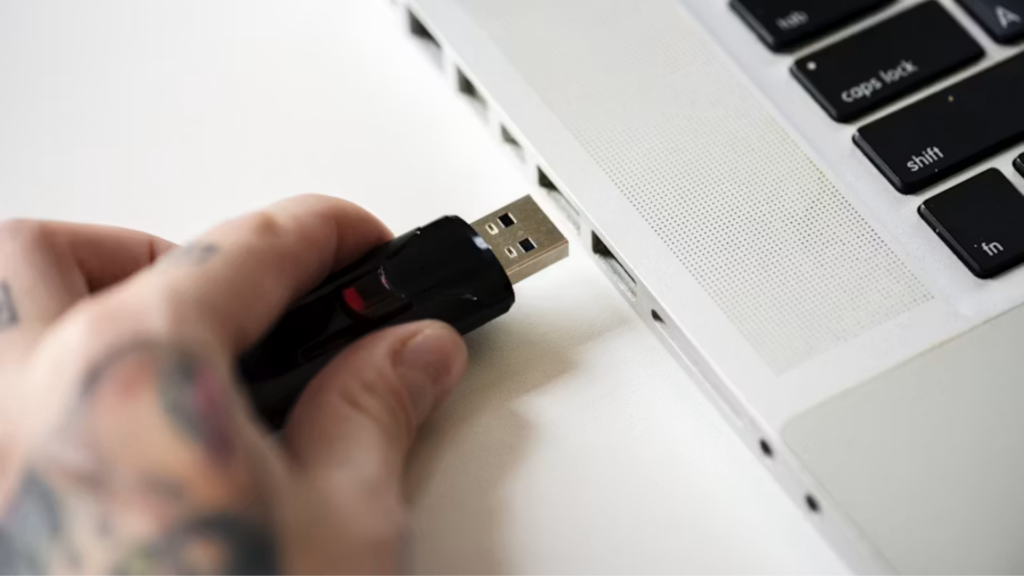
Academic cheating usually happens in the shadows, but this massive empire collapsed because of a single thumb drive. A university student handed a flash drive to a manager, claiming the work on it was entirely original. Instead, a routine technical check revealed the digital footprint of Adnan’s company. This small error cracked open a hidden spreadsheet containing personal student login credentials, passwords, exam dates, and a global network of academic deceit.
The Driver Claimed Ignorance About University Access Rules
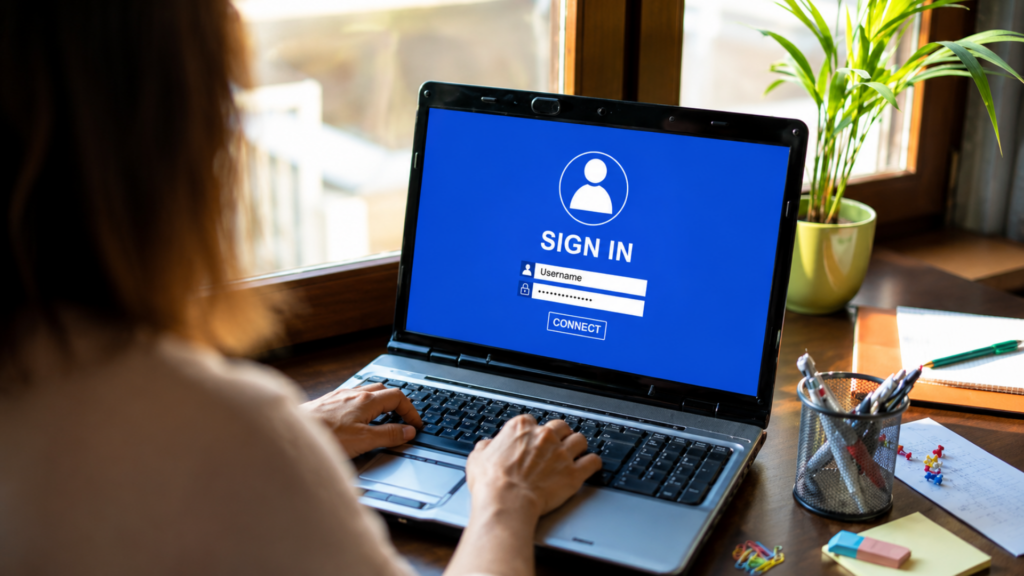
Adnan operated by logging directly into university networks to complete assignments and sit for tests as if he were the student. When confronted by police, he admitted to taking an exam for three hundred thirty dollars. Yet he bizarrely claimed he did not know he needed specific permission from the university to access those accounts. Prosecutors painted a different picture, portraying him as a calculating fraudster who systematically exploited the academic system.
Legal Consequences Mounted As Prosecutors Pursued Criminal Charges

The scale of the deception transformed a simple cheating scandal into a major criminal prosecution. Adnan faced serious charges of fraud, unauthorized computer access, and money laundering. Senior Crown Prosecutor Andrew Madden noted that Adnan built intricate trails to hide his tracks. Madden stated: > “He created complex audit trails with his bank accounts to try and avoid detection and lived a lavish lifestyle to use up the money he made”. The game was finally over.
A Delayed Guilty Plea Followed Initial Courtroom Defiance
Bringing the driver to justice required untangling a web of financial transactions and digital footprints. Adnan initially resisted the full weight of the charges, pleading guilty to fraud but denying the money laundering accusations in a lower court. However, the mountain of digital evidence gathered by the cyber crime unit eventually forced his hand. He later changed his plea at Liverpool Crown Court, admitting to the full scope of his financial crimes.
Higher Education Faces An Escalating Battle Against Digital Cheating

This case highlights a growing global crisis for colleges and universities struggling to maintain academic integrity. Contract cheating has evolved from simple essay mills into a highly organized, lucrative underground economy. As classrooms shifted online, verifying the actual identity of the person taking an exam became incredibly difficult. Institutions are now forced to spend millions on advanced cybersecurity measures and biometric monitoring just to ensure students are doing their own work.
Honest Students Bear The Ultimate Cost Of Academic Fraud

The real damage of this scheme extends far beyond one driver and his wealthy clients. When degrees can be bought for a few hundred dollars, the hard work of honest students is deeply devalued. Future employers may look at graduates with growing skepticism, damaging job prospects for everyone. Furthermore, the steep costs of new university security tracking software are ultimately passed down to families through higher tuition fees and mandatory technology assessments.
A Three-Year Prison Sentence Leaves Unanswered Questions

2026 marked the beginning of Adnan’s three-year prison sentence, but the fallout from his network is far from finished. Authorities are now launching a complex legal schedule to seize his millions in assets and recover the illegal profits. Meanwhile, universities worldwide are left to quietly investigate the scores of students who bought their way through school. The long-term impact on the credibility of online degrees will unfold over the coming decade.