

Products are selected by our editors, we may earn commission from links on this page.
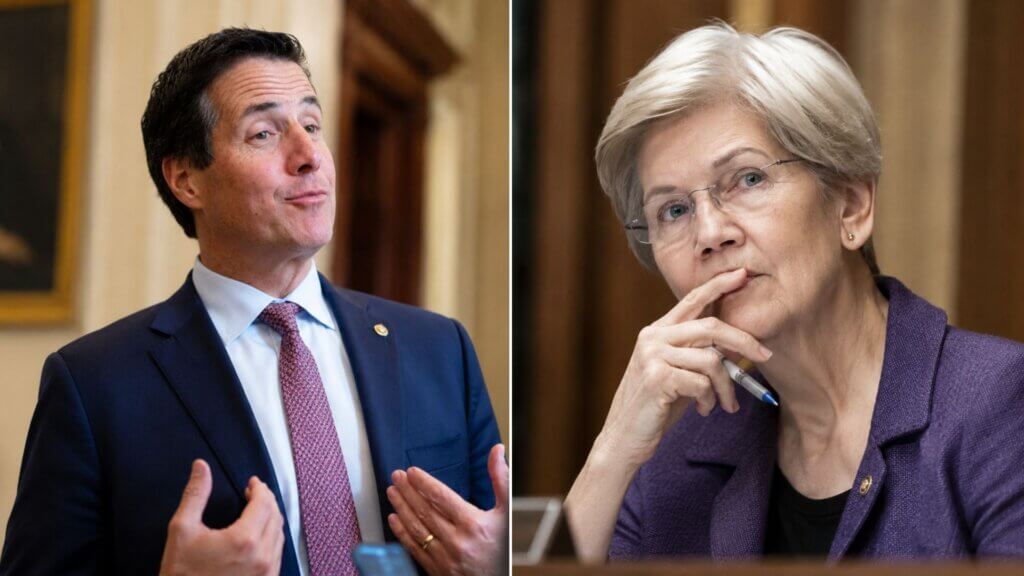
Six years. That’s how long Social Security has left before its trust fund runs dry, according to a new report from the program’s trustees, an estimate sharply sooner than experts predicted just last year. As lawmakers face a deadline that could trigger automatic benefit cuts for 68 million Americans, two senators from opposite ends of the political spectrum just did something Washington rarely manages anymore. They agreed on a fix.
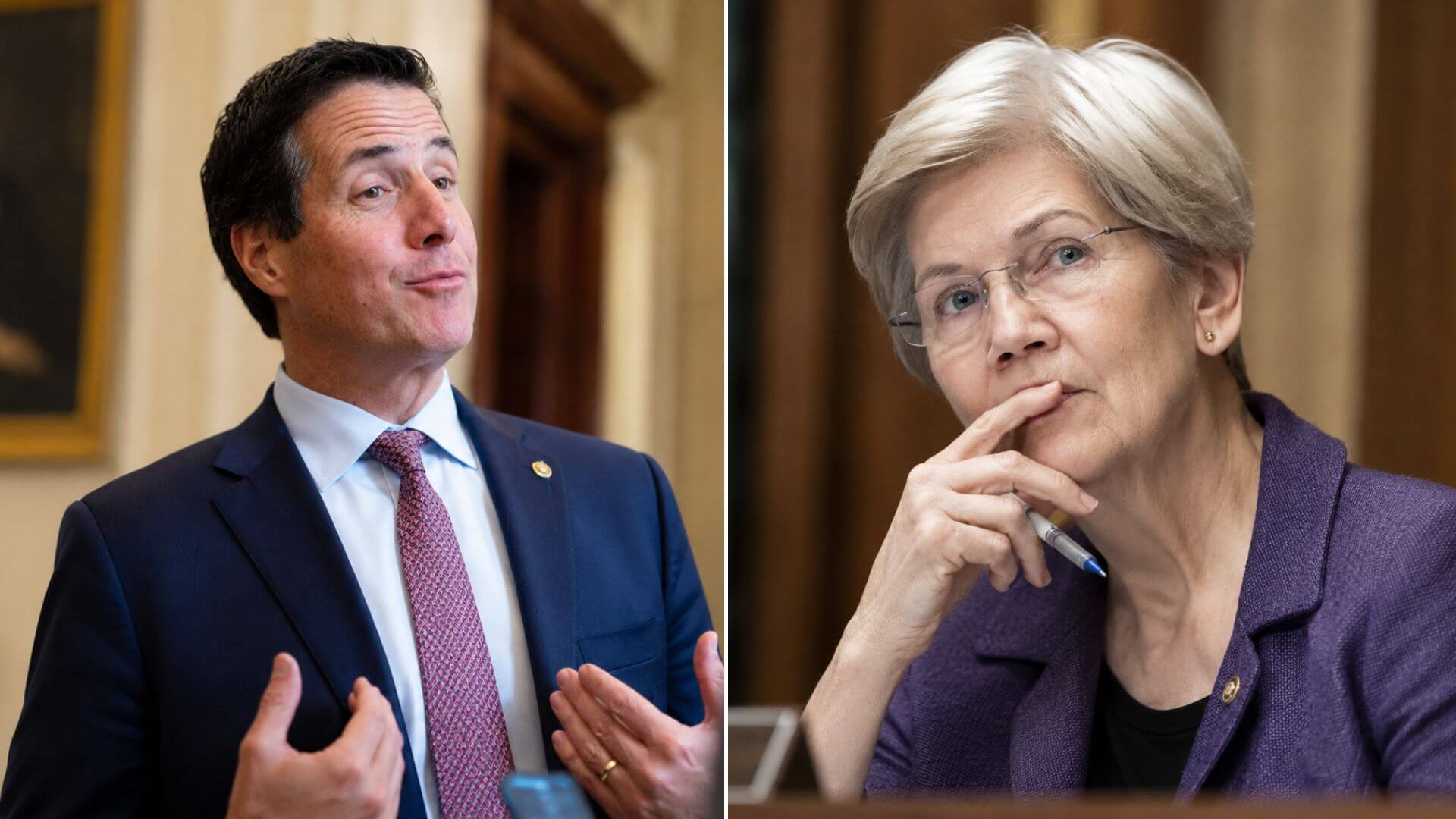
Sen. Bernie Moreno, a Republican from Ohio, and Sen. Elizabeth Warren, a Democrat from Massachusetts, published a joint opinion piece in the New York Times last week laying out their plan. The two lawmakers rarely align on policy. Warren has spent her career pushing consumer protections, while Moreno built a business empire before entering politics as a Trump-endorsed conservative. Yet both say the funding crisis facing Social Security leaves no room for partisanship, only urgency.
Their solution centers on a single number: $184,500. That’s the current cap on income subject to the payroll tax that funds Social Security, meaning every dollar earned above it currently escapes taxation entirely. Lifting that cap, the senators argue, could inject trillions into the program without cutting a single check to retirees. Legislation has not yet been introduced. Whether Congress will act on the idea remains an open question.
This article was created with the assistance of AI and reviewed by our editorial team for accuracy and clarity.
The $3.4 Trillion Case for Scrapping the Income Cap

Social Security’s math has been breaking down for years. Since the early 2010s, the program has paid out more in benefits than it collects through payroll taxes, according to the Urban Institute. A decline in births and slower immigration have shrunk the pool of workers paying into the system, even as millions of Baby Boomers begin drawing benefits. The One Big Beautiful Bill deepened the problem further by eliminating a separate tax on Social Security benefits.
Right now, Social Security is funded through a 12.4% payroll tax split evenly between employers and workers, but that tax stops applying once a worker’s income crosses $184,500 a year. A construction worker earning $60,000 pays the tax on every dollar. A hedge fund manager earning $6 million pays it on a sliver of their income. Warren and Moreno say that imbalance is the heart of the crisis.
“Since the vast majority of Americans make less than that, most people are paying Social Security taxes on 100 percent of their earnings while the highest earners are paying on only part of theirs,” Warren and Moreno wrote. Eliminating the cap entirely could generate roughly $3.4 trillion over the next decade, according to the nonpartisan Peterson Foundation. That would close more than half of the program’s long-term funding gap in one legislative stroke.
Husted Calls the Plan a ‘Giant Tax Increase’
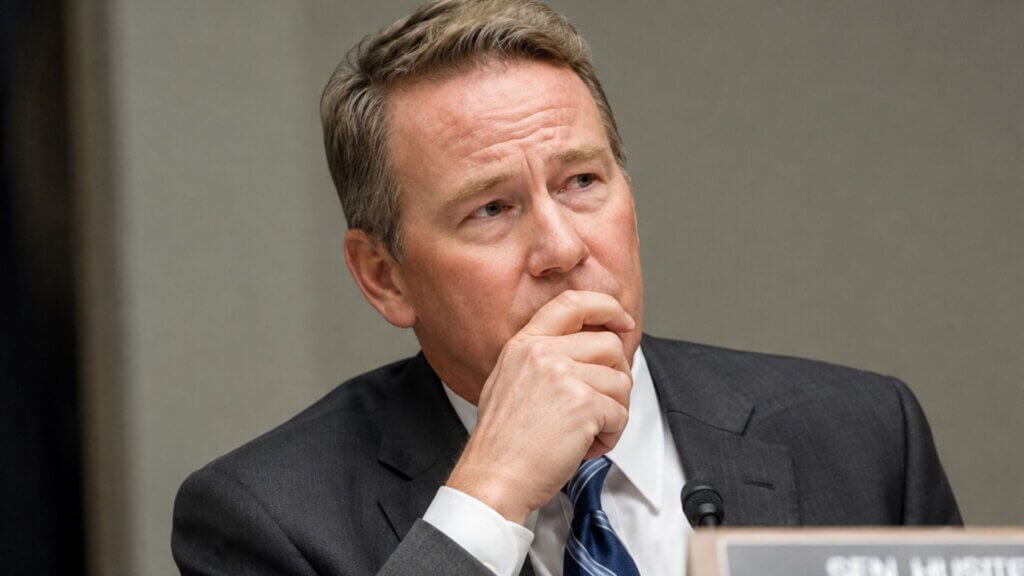
Not everyone is on board. Sen. Jon Husted, a fellow Ohio Republican, broke with his colleague almost immediately after the op-ed published, calling the proposal a “giant tax increase” during an appearance on a national radio show. Husted insisted Social Security needs saving, but rejected the method his colleague endorsed, exposing a rift inside the GOP over whether taxing wealthy earners is ever an acceptable trade-off.
“We need to secure Social Security, we need to protect it, we need to make it stronger,” Husted said. “But I’m not on board with the approach that they’ve outlined.” His pushback signals a steep climb ahead for the proposal, even with a Democrat and a Republican co-sponsoring it. No bill has been formally introduced yet, and spokespeople for both senators have declined to say when one might arrive.
Warren and Moreno aren’t the only ones pitching a rescue plan. A bipartisan bill introduced in the House earlier this month would create an independent 13-member commission tasked with finding long-term fixes, appointed by congressional leaders and the president. A separate option floated by researchers would raise the payroll tax rate itself, from 12.4% to 13.4%, generating roughly $601 billion over a decade, a quarter of the shortfall.
A 25% Cut Looms if Congress Does Nothing by 2032
None of these ideas come with a guarantee. If Congress does nothing, the consequences arrive automatically. Trustees say the trust fund runs dry in 2032, or 2034 if lawmakers merge the program’s retirement and disability funds. At that point, the law requires automatic cuts, slashing benefit checks by roughly 25% for tens of millions of retirees who built their retirement plans around a monthly payment that suddenly shrinks.
The House commission proposal has only three cosponsors so far and sits parked in two committees awaiting action. Warren and Moreno’s cap-lifting idea has no bill number at all. Both plans depend on a Congress that has spent more than a decade avoiding this exact fight, even as the trustees’ warnings have grown louder and the projected insolvency date has crept closer with each annual report.
Researchers at the Urban Institute have already delivered their verdict on delay. Every year Congress waits, the eventual fix gets larger and more painful, whether that means steeper tax hikes, deeper benefit cuts, or some combination retirees never agreed to. Warren and Moreno built a rare bipartisan bridge on an issue that usually splits along party lines. Whether that bridge survives Washington’s gridlock is now the only question left.