

Products are selected by our editors, we may earn commission from links on this page.
When a billionaire CEO says work-life balance and success can’t coexist, people tend to listen and argue. Andrew Feldman, cofounder of the $8 billion AI chipmaker Cerebras, recently called it “mind-boggling” that anyone believes they can work 38 hours a week, have perfect balance, and still achieve greatness. His comment reignited a debate that cuts deep into Silicon Valley’s culture and the future of work itself.
The Statement That Sparked the Debate
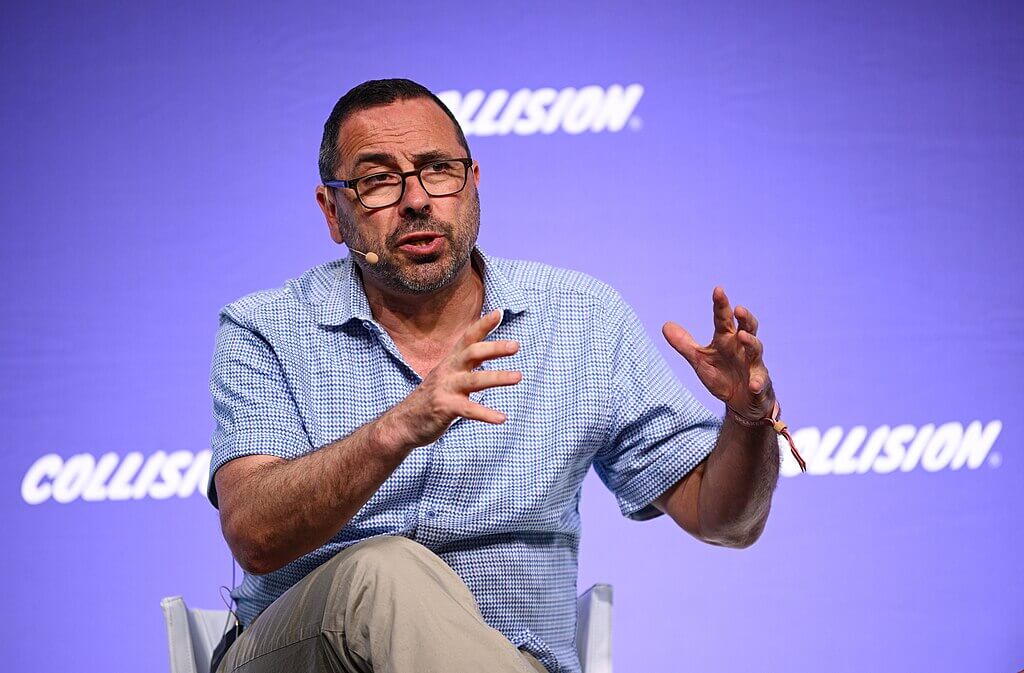
Feldman’s remarks, made on a recent 20VC podcast, echoed the relentless work ethic long associated with the startup world. “To do something great, you don’t count hours,” he said. The statement quickly went viral, resonating with those who believe true innovation requires total immersion, and frustrating workers who say that mindset glorifies burnout.
Silicon Valley’s Old Faith in the Grind

The idea isn’t new. From Elon Musk’s 100-hour weeks to Jensen Huang’s admission that work-life balance is “non-existent,” tech founders have long linked success to self-sacrifice. In their view, greatness demands obsession — the same intensity that built companies like Nvidia and Tesla. Feldman simply put a modern spin on a belief deeply rooted in the Valley’s identity: that ambition leaves no room for moderation.
A New Generation Pushes Back
But not everyone is buying it. Surveys show that Gen Z workers in the U.S. are increasingly rejecting grind culture, prioritizing mental health, flexible hours, and personal fulfillment over titles or wealth.
They see balance not as laziness but as longevity, an antidote to the burnout that’s defined millennial careers. Many believe that working smarter, not longer, is the real marker of progress in the AI age.
The Irony of AI’s Promise

That irony isn’t lost on anyone. Despite growing controversy and debate, AI platforms and tools were designed to make work easier, not harder — automating drudgery so humans could live fuller lives. Yet the very architects of this revolution are working themselves to exhaustion.
In a world experimenting with four-day workweeks and AI-assisted productivity tools, it’s paradoxical that the people selling efficiency are still chained to their desks.
Defining Success in a Changing World

Perhaps the real question isn’t whether Feldman is right or wrong, but who he’s talking to. Not everyone wants to be a billionaire founder or a “next-generation innovator.”
For some, success means creative freedom, family dinners, or overcoming the fear of financial collapse. For others, it’s building something that changes the world, no matter the cost.
The grind mindset, in that sense, belongs to those chasing scale, not balance.
The Spectrum of Ambition

Work-life balance and all-consuming ambition aren’t opposites — they’re points on a spectrum. Founders like Feldman, Huang, and others live on the extreme end, where innovation and intensity feed each other.
Most workers, however, sit closer to the middle, where balance sustains creativity instead of depleting it. The danger lies in mistaking one path for the only definition of success.
What AI Means for the Rest of Us

Even as CEOs argue about hours, AI is already transforming what “work” means. Leaders like Walmart CEO Doug McMillon predict that automation will reshape every job, demanding new skills and redefining productivity.
Paradoxically, as AI tools take over routine tasks, workers may finally get the chance to focus on creative, meaningful work — the kind that once required 80-hour weeks. But whether that newfound freedom will lead to balance or new pressures remains to be seen.
Redefining What It Means to Strive

The divide between ambition and balance isn’t a war — it’s a negotiation between values. Feldman’s “mind-boggling” remark reflects one kind of success: the inventor’s, the founder’s, the restless builder’s.
But for most people, success doesn’t mean sacrificing peace for purpose but finding where passion meets sustainability. Maybe balance and ambition can’t coexist perfectly, but in an age where AI promises to change everything, the definition of “enough” is finally up for debate.