

Products are selected by our editors, we may earn commission from links on this page.
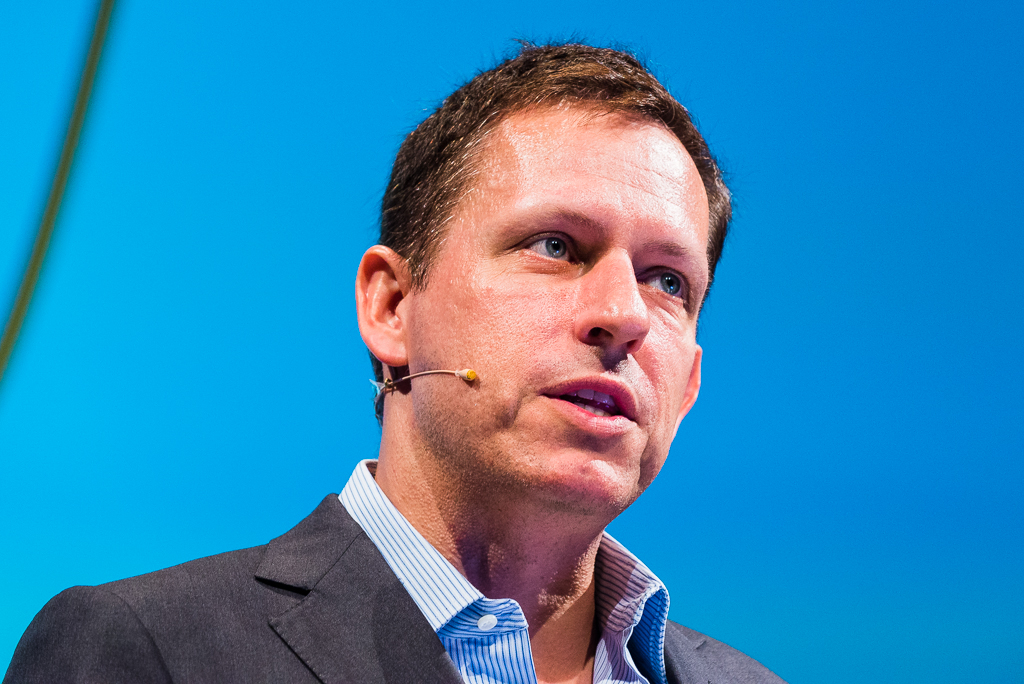
Peter Thiel, a Silicon Valley billionaire known for backing major tech companies, is now drawing attention for a very different reason. In a series of private lectures, he has warned that the Antichrist may already be present in today’s world and could be moving toward global control. His ideas, shared in exclusive gatherings, are now reaching a wider audience and raising questions about how seriously they should be taken.
The Lectures Behind Closed Doors
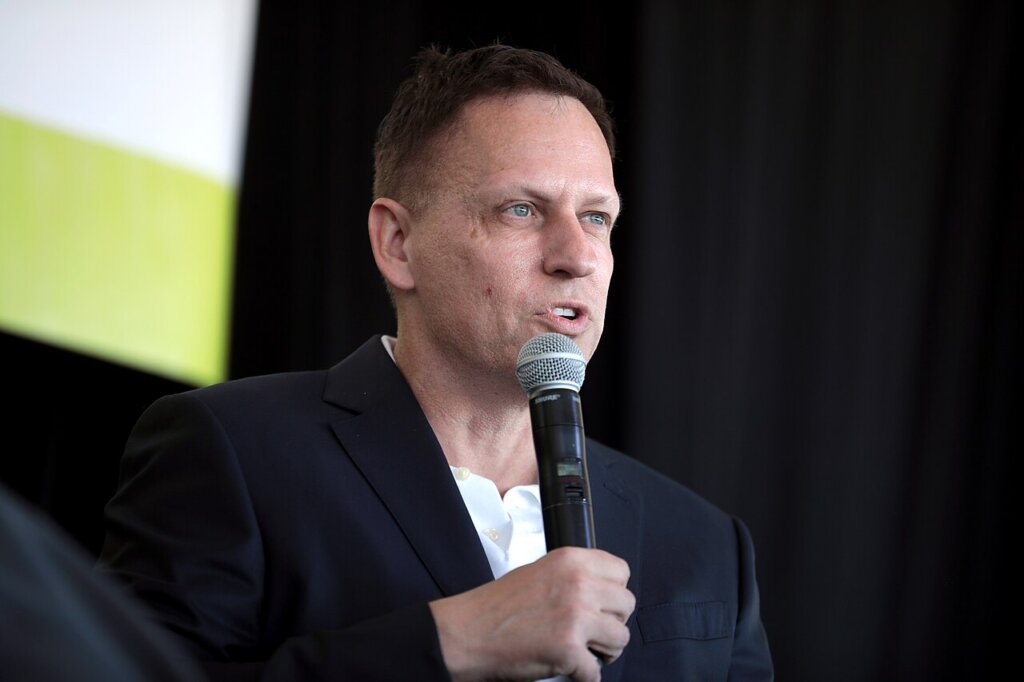
Over the past few years, Thiel has hosted invitation-only talks in cities like San Francisco, Cambridge, and Rome. These events, often described as off the record, bring together students, thinkers, and political insiders. During these sessions, he explores religious texts, modern technology, and global politics. According to reports, the lectures mix biblical ideas with current events, offering a sweeping view of the future that blends theology with real-world concerns.
What Thiel Means by the Antichrist
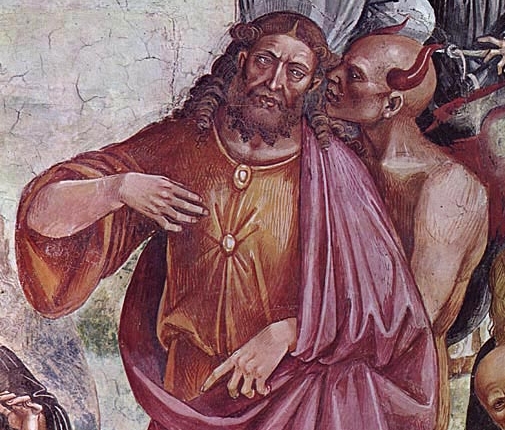
At the core of Thiel’s message is his definition of the Antichrist. He describes it not just as a symbolic force, but as a potential political figure. In his words, it could be “an evil king or tyrant” who rises during the end times. Rather than focusing on one clear identity, he presents the Antichrist as a system or leader capable of gaining global power by promising stability and safety during times of crisis.
Fear as a Path to Power

A key part of Thiel’s argument is that fear could open the door to such a figure. He suggests that growing concerns about climate change, artificial intelligence, and nuclear war may push societies toward accepting stronger global control. In his view, the desire to avoid catastrophe could lead people to support a single authority that promises peace, even at the cost of freedom. This idea connects modern anxieties with ancient religious warnings.
A World Government at the Center
Thiel often links the idea of the Antichrist to the rise of a unified global system. He argues that international institutions and coordinated policies could eventually merge into a form of centralized power. While such cooperation is often seen as necessary in a globalized world, Thiel warns it could go too far. He believes a “one world” structure could limit individual freedoms and concentrate authority in ways that echo biblical prophecy.
Who Could Fit the Role

Although Thiel does not name a single person as the Antichrist, he has suggested that certain public figures or movements could reflect aspects of it. In his lectures, he has pointed to environmental activists, tech critics, and even prominent billionaires as possible examples of what he calls “antichrist-like” thinking. However, he stops short of making direct accusations, instead framing these as warning signs rather than conclusions.
Technology and the Fear of Stagnation

Interestingly, Thiel’s concerns are closely tied to his views on technology. He argues that society is becoming more fearful of scientific progress, especially after events like the development of nuclear weapons. This fear, he says, could slow innovation and create conditions where strict control over technology becomes more acceptable. In his view, this environment could allow a powerful authority to rise by promising to manage these risks.
Critics Push Back

Not everyone is convinced by Thiel’s ideas. Critics, including religious scholars and academics, argue that his interpretation of the Antichrist is unclear and inconsistent. Some say his views mix theology with personal beliefs about politics and economics. Others question whether his warnings reflect genuine concern or align with his opposition to regulations that affect technology and finance.
The Influence of Power and Platform
Despite skepticism, Thiel’s ideas carry weight because of his position. As a major investor and political figure, his views reach far beyond academic discussions. His support for political candidates and involvement in global tech projects means his beliefs can shape conversations about the future. This influence makes his warnings more than just personal opinions, turning them into part of a broader debate about power, control, and the direction of society.
A Debate About the Future of Humanity

Thiel’s claims about the Antichrist are less about predicting a single figure and more about raising questions. His lectures highlight fears about global crises, technological change, and political authority. While many experts reject his conclusions, the discussion he has sparked touches on real concerns about how the world is changing. Whether seen as a warning or a theory, his message reflects a deeper uncertainty about what lies ahead and who, or what, might shape it.