

Products are selected by our editors, we may earn commission from links on this page.
Maintaining an orbital laboratory requires constant vigilance and quick responses when essential gear malfunctions. When a vital piece of machinery on the International Space Station showed signs of trouble, experts on Earth and astronauts in space teamed up to execute a precise, high-stakes repair mission.
Detecting a Technical Glitch in Deep Space

The troubleshooting process began in late May when flight controllers in Houston noticed an unexpected surge of electrical current in the primary fifty-eight-foot mechanical limb of the station. This unusual power draw indicated that one of the seven motorized articulation points was failing to move correctly, prompting an immediate engineering review. Teams from both NASA and the Canadian Space Agency quickly analyzed the incoming telemetry data, confirming that the specific wrist component known as joint number five required total replacement.
Building Modular Systems for Orbital Repairs
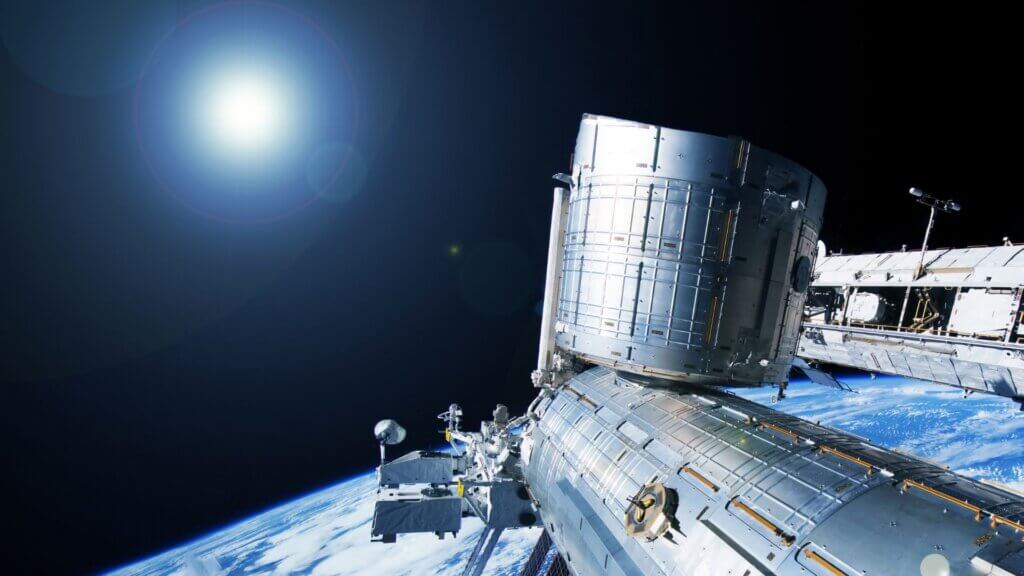
Fortunately, international designers anticipated these exact types of mechanical wear when they originally built the hardware to be fully maintainable. The massive robotic system features completely swappable parts, meaning components can be substituted right outside the facility rather than abandoning the entire structure. Because two spare units were already stored on an external platform, managers could rapidly approve a replacement strategy using existing inventory rather than waiting for a new supply shipment from Earth.
Stepping Outside into the Cosmic Void

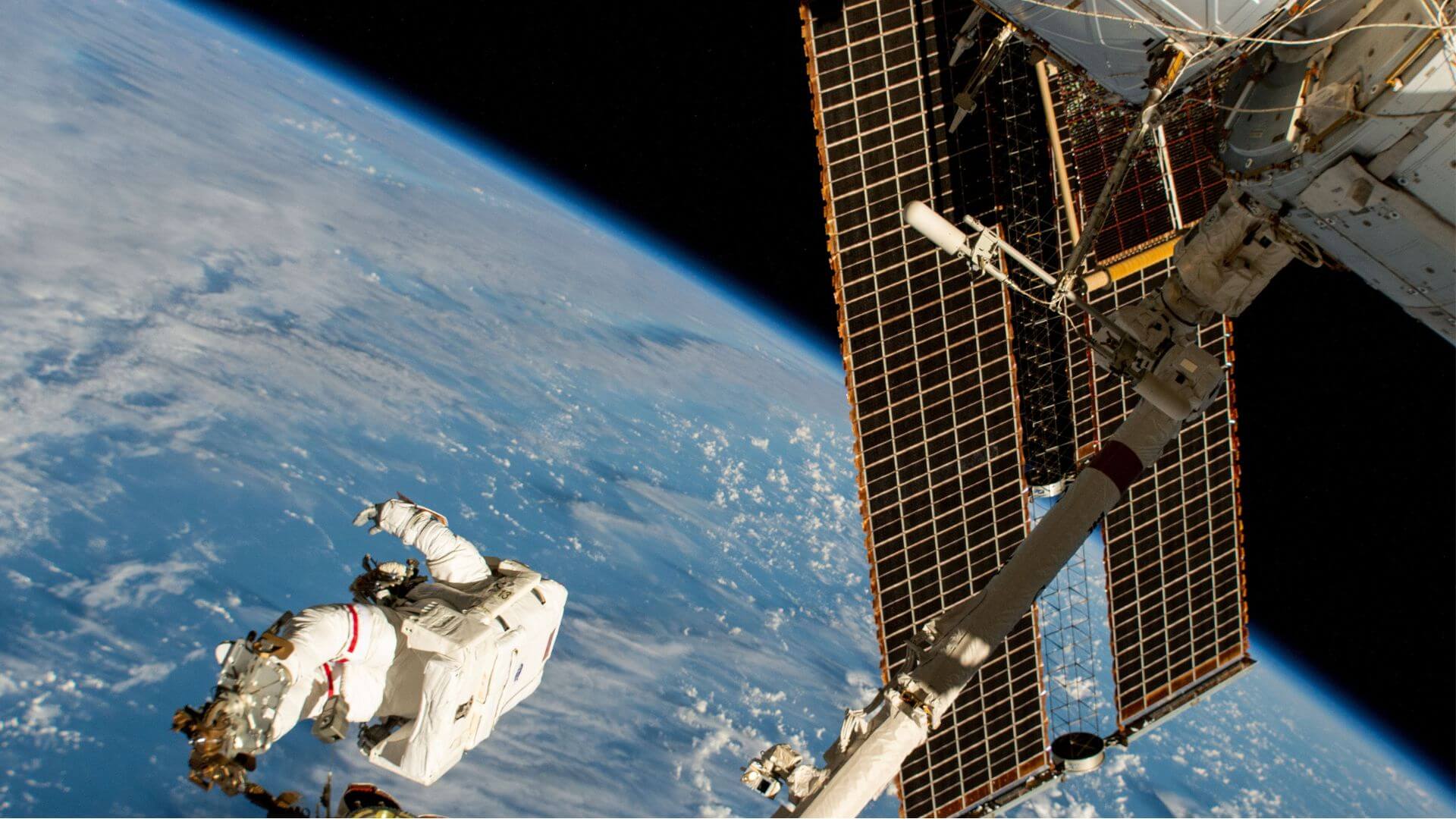
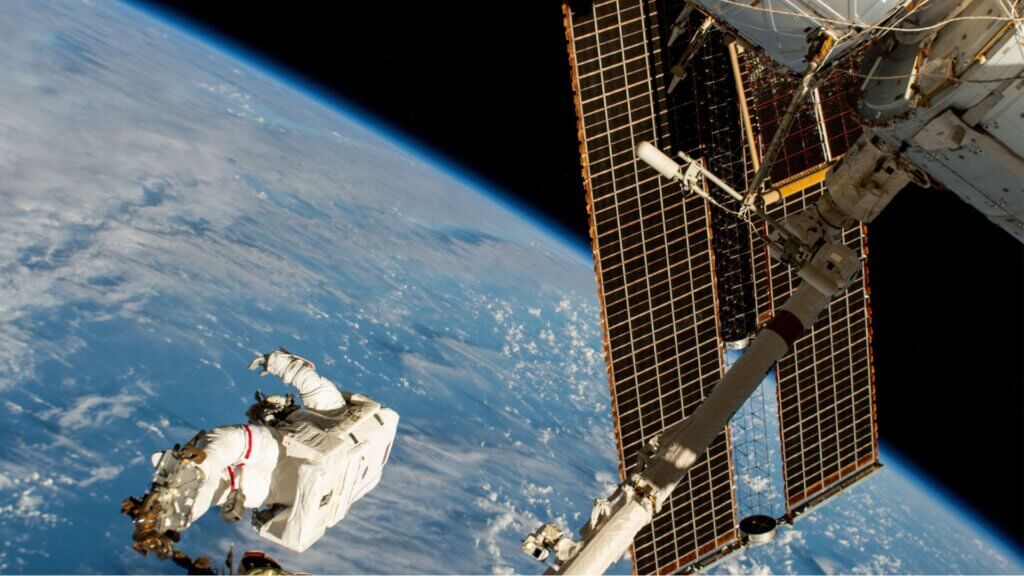
Two crew members assumed responsibility for the hands-on maintenance work, preparing their heavy spacesuits for the third extravehicular mission of the year and the two-hundred-and-eightieth overall for the program. Jessica Meir, embarking on her fifth career excursion, and Chris Williams, starting his second, officially switched their suits to battery power at eight-twenty in the morning. Their initial tasks involved securing themselves into specialized foot restraints and positioning the replacement gear near the active workspace.
Carefully Detaching the Electronic Hand
Before reaching the faulty component, the duo had to carefully unbolt the terminal gripping mechanism, which serves as the hand of the apparatus. This complex task required moving a massive nine-hundred-pound assembly that included the main latching end effector and two perfectly functional neighboring joints. They temporarily secured this bulky cluster onto a nearby storage shelf, clearing a safe path to access the broken two-hundred-pound segment underneath.
Installing the New Mechanical Wrist
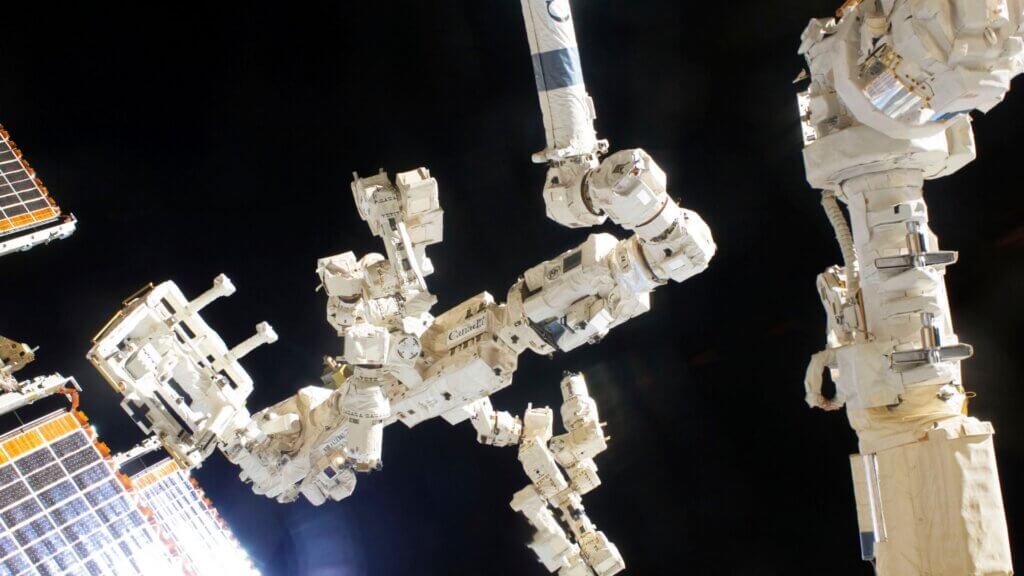
With the workspace cleared, the astronauts focused on unfastening the damaged pivot mechanism from the main body of the structure. Working carefully in weightlessness, they slid the old part out and successfully substituted the pristine spare roughly four and a half hours into their demanding shift. Securing the fresh component required absolute precision, ensuring all internal mechanisms aligned perfectly to restore the structural integrity of the long robotic frame.
Reassembling the Complex Grasping System
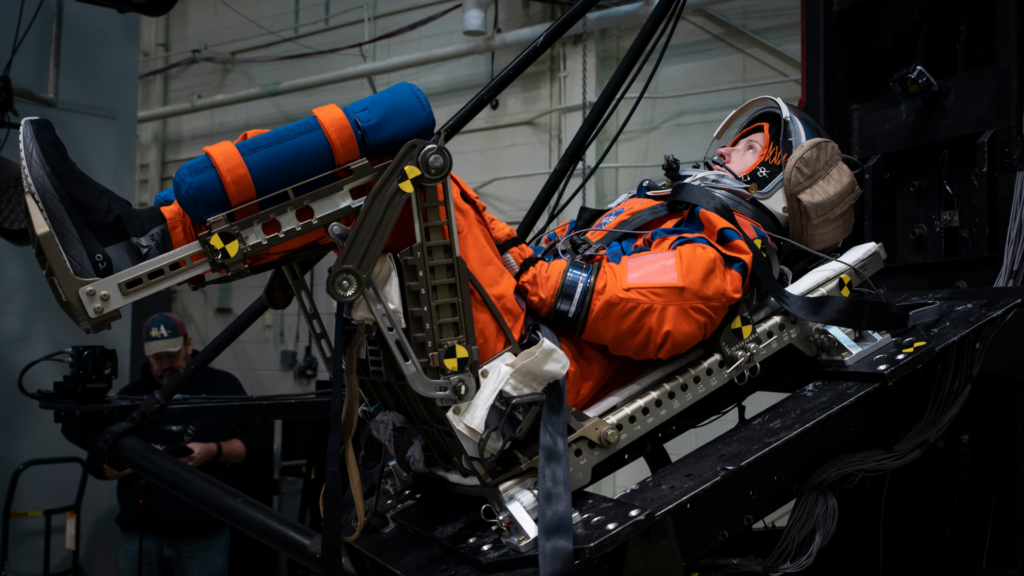
Once the central pivot was locked into position, the crew turned their attention back to the massive gripping cluster they had set aside earlier. About five and a half hours after leaving the airlock, they successfully lifted the heavy end assembly back to its original location. Mating the pieces back together required careful handling, linking the hand to the newly installed joint to complete the physical reconstruction of the limb.
Testing the Power and Data Connections

Back on Earth, anxious mission controllers immediately booted up the upgraded system to run a series of remote diagnostics. They were relieved to find that electrical currents and information pathways were flowing perfectly through the freshly swapped hardware, confirming a highly successful surgery. Canadian mission control relayed congratulations to the crew, noting that the system now possessed two completely healthy strings of power and data.
Cleaning the Work Area and Winding Down

With the primary objective achieved, the duo began gathering their specialized tethered tools and clearing away safety restraints from the exterior of the lab. They checked their suits one final time before making their way back toward the safety of the entry hatch to conclude the operation. The entire outdoor excursion wrapped up in exactly seven hours and twenty minutes, marking another successful entry in the history of orbital upkeep.
Stowing Failed Hardware for a Journey Home
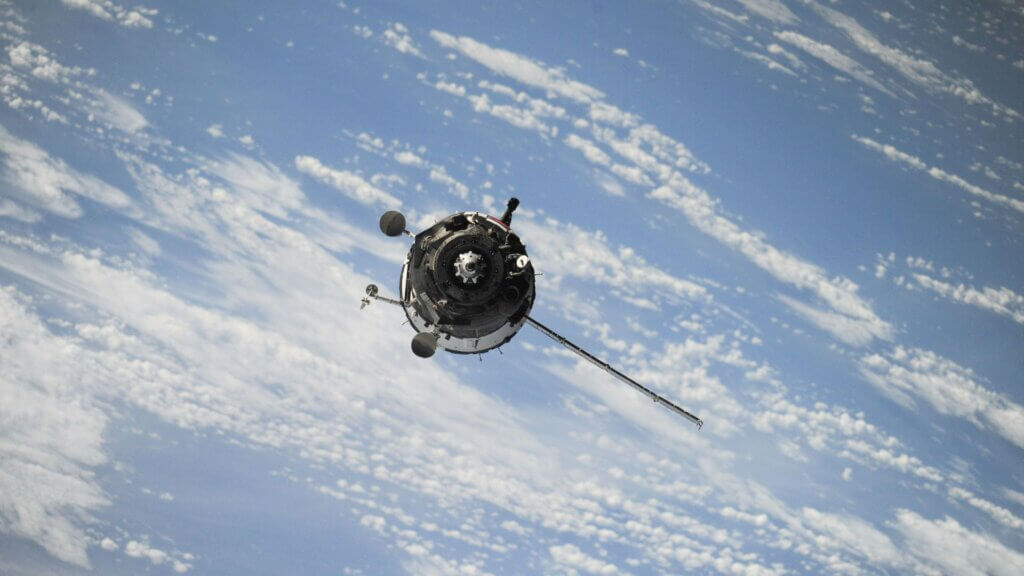
Before sealing the hatch, the crew made sure to bring the malfunctioning mechanical joint inside the living quarters of the station. Keeping this damaged piece of equipment allows NASA to pack it into a future return capsule destined for a terrestrial landing. Once it arrives back at a factory on Earth, engineers will refurbish the unit so it can eventually be launched back to the stars as a viable backup for future generations of astronauts.
Sustaining Vital Infrastructure for the Long Term
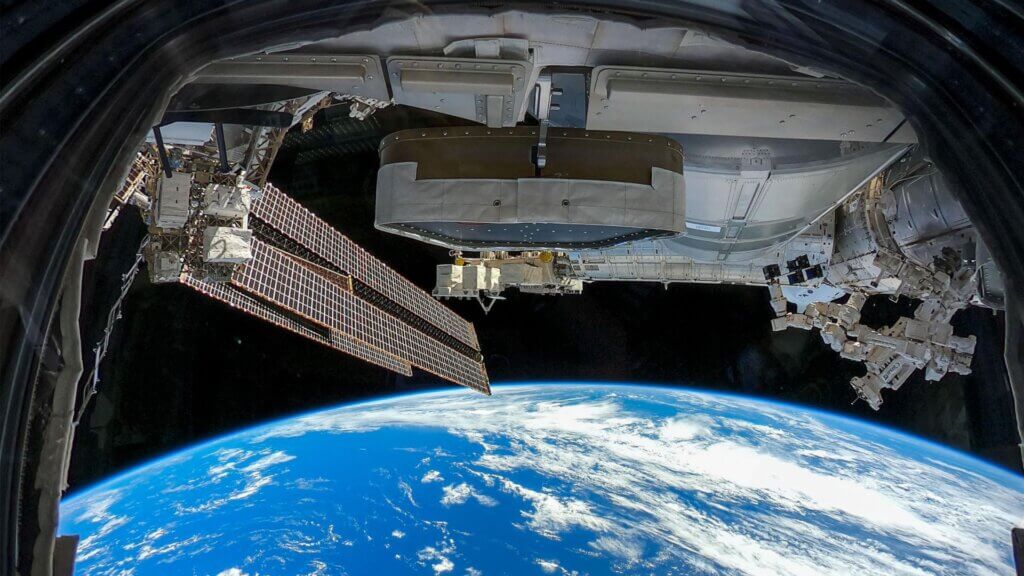
This intricate apparatus remains absolutely essential for daily operations, as it safely catches incoming cargo ships and transports floating astronauts during complex upgrades. Even though the global space community intends to decommission the floating laboratory by the end of twenty-thirty, keeping this mechanical assistant healthy remains a top priority until the very end. Continuous upkeep ensures that scientific research can safely progress without logistical interruptions during the final years of the program.