

Products are selected by our editors, we may earn commission from links on this page.

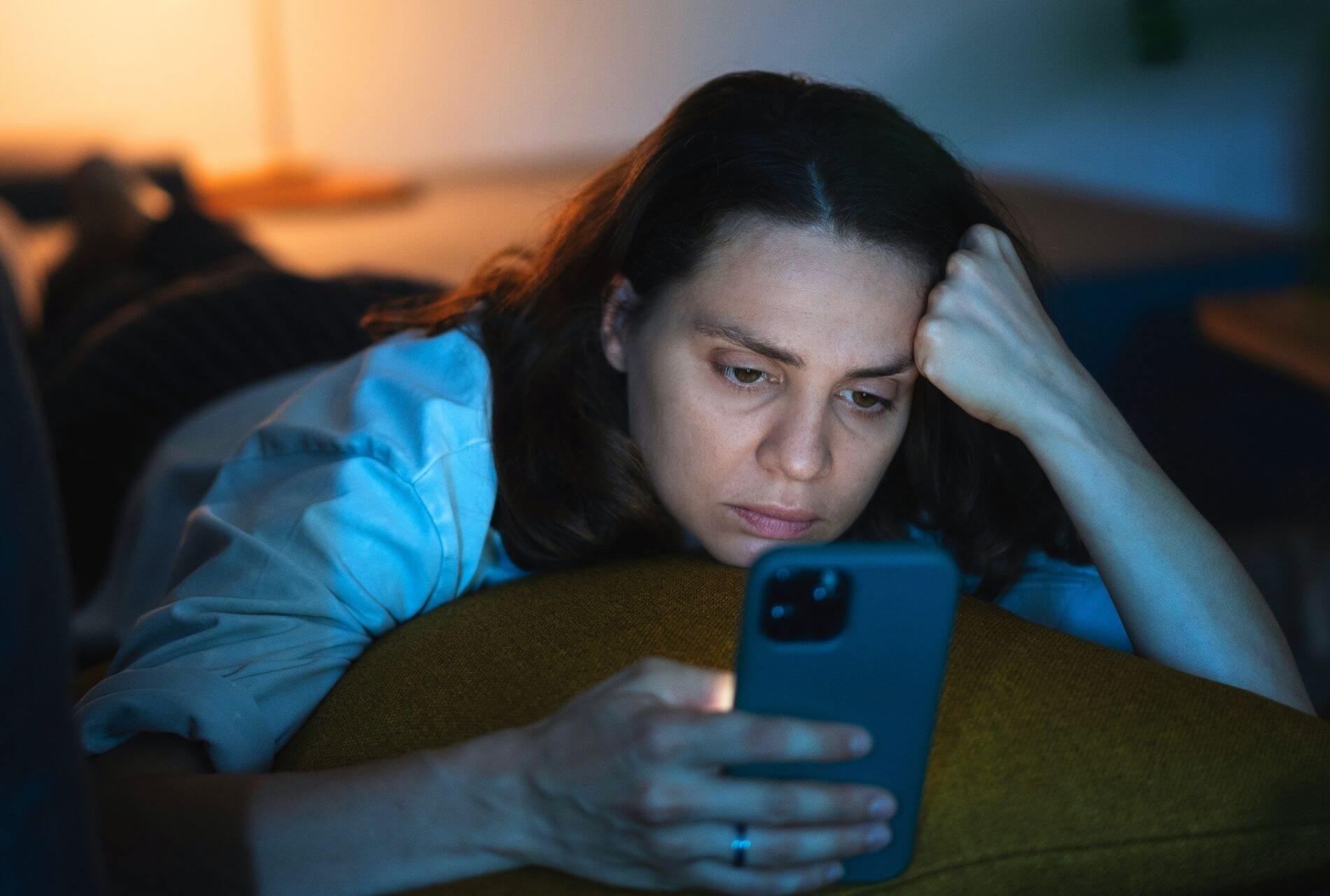
Doomscrolling has become one of those habits many of us slip into without realizing it. We grab our phones for a quick check, and suddenly twenty minutes have passed, our ‘routine check’ is filled with stories about disasters, conflict, and tragedy that drains our energy even while just lying in bed. What feels like staying informed can quickly turn into a steady drip of negativity that shapes our moods before we even notice.
A growing body of research now suggests this behavior affects far more than momentary stress. The study shows it can make life feel uncertain, unpredictable, and even meaningless at times. One cross-cultural study involving 800 students from the U.S. and Iran, publised in Computers in Human Behavior Reports Journal, linked heavy doomscrolling to existential anxiety, a deeper form of worry tied to questions about purpose, safety, and control.
Researchers describe doomscrolling as a kind of “vicarious trauma,” where people absorb secondhand stress from news events they aren’t directly experiencing. Experts say the constant stream of alarming content can distort the way we see the world, nudging people toward distrust, pessimism, and a darker view of humanity.
It Fuels Anxiety and Emotional Overload

The study found doomscrolling consistently triggers existential anxiety. Participants reported feeling more alone, more uncertain about the future, and more aware of how fragile life can seem. Thoughts about death, meaninglessness, and lack of control were common among heavy doomscrollers. Psychologists say this response ties back to our built-in “negativity bias,” which makes us pay more attention to potential threats.
That bias keeps us glued to frightening updates even when they leave us uneasy. Harvard health experts reveals that a steady diet of distressing news can activate the body’s stress response, raising heart rate, muscle tension, and blood pressure.
For young adults, the cycle can be especially intense. Interviews with Australian teens revealed that constant exposure to disturbing headlines made many feel unsafe or overwhelmed, even in ordinary situations. The pattern often looks the same: anxiety leads to more scrolling, which leads to more anxiety — a loop that’s hard to interrupt once it begins.
It Warps How We View Ourselves and the World

Doomscrolling doesn’t just affect how we feel — it can change how we interpret the world. The same cross-cultural study found that heavy doomscrolling was associated with deeper pessimism about human nature. In the Iranian sample, frequent doomscrollers showed significantly higher levels of misanthropy, or distrust toward others.
Neurologists note that the brain isn’t built to handle a nonstop flood of negative content. Stress hormones released during doomscrolling can overload attention and memory systems, weakening the hippocampus — the region responsible for focus and emotional regulation. This can make it harder to shift attention away from upsetting stories or put them into perspective.
Harvard health experts add that consuming large amounts of distressing news can skew a person’s sense of danger. We may begin to overestimate risks in our daily lives, reinforcing feelings of fear, hopelessness, and instability.
It Becomes a Hard-to-Break Habit

Once doomscrolling becomes a habit, it’s not just emotional — it’s neurological. Psychologists explain that the behavior activates both the brain’s reward system and its fear pathways, making alarming content strangely compelling. Even when people recognize that doomscrolling worsens their mood, they often continue out of habit, anxiety, or a fear of missing important updates.
Young users are especially at risk because the parts of the brain responsible for impulse control and emotional regulation are still developing. Social-media algorithms compound the problem by feeding more of the same distressing content to anyone who engages with it. The repetition deepens the emotional impact and makes unplugging even more difficult.
Across studies, the pattern is unmistakable: the more people doomscroll, the worse they feel and the harder it is to step away. Experts compare the experience to being stuck in a room where negative stories are constantly shouted at us, making it difficult to think clearly or find our balance.