

Products are selected by our editors, we may earn commission from links on this page.
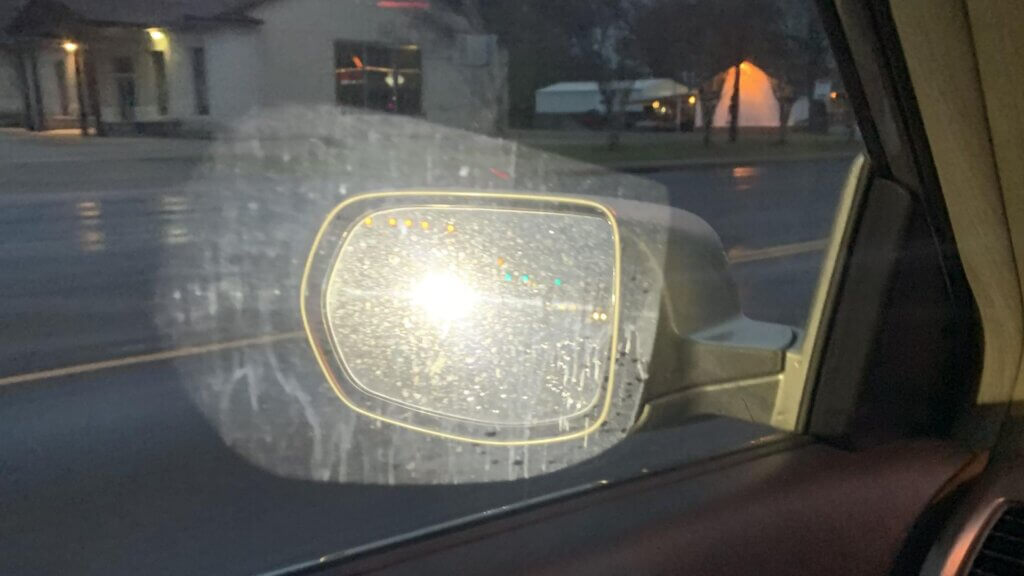
A frustrated driver recently sparked a heated discussion on Reddit after posting a photo showing their car’s windshield completely flooded with light from a modern truck’s headlights. The image captured what many motorists experience nightly: blinding glare from increasingly bright and elevated truck lights that create dangerous driving conditions for everyone else on the road.
Height Meets Light
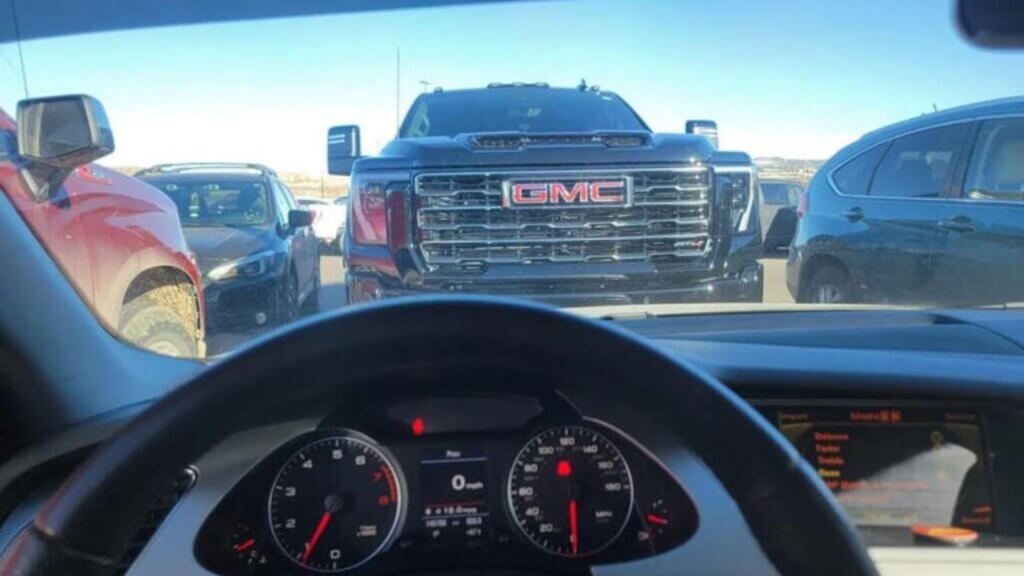
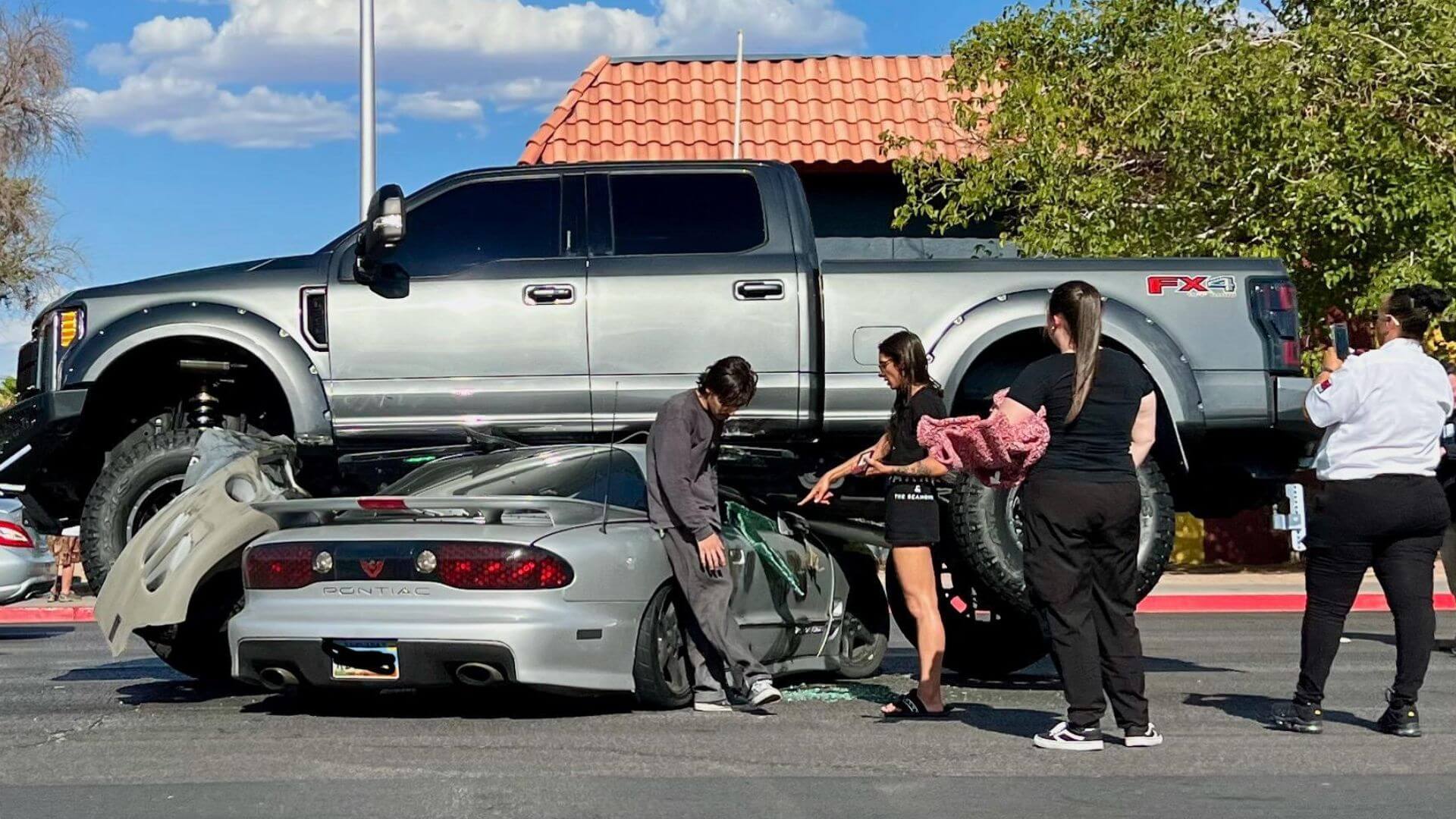
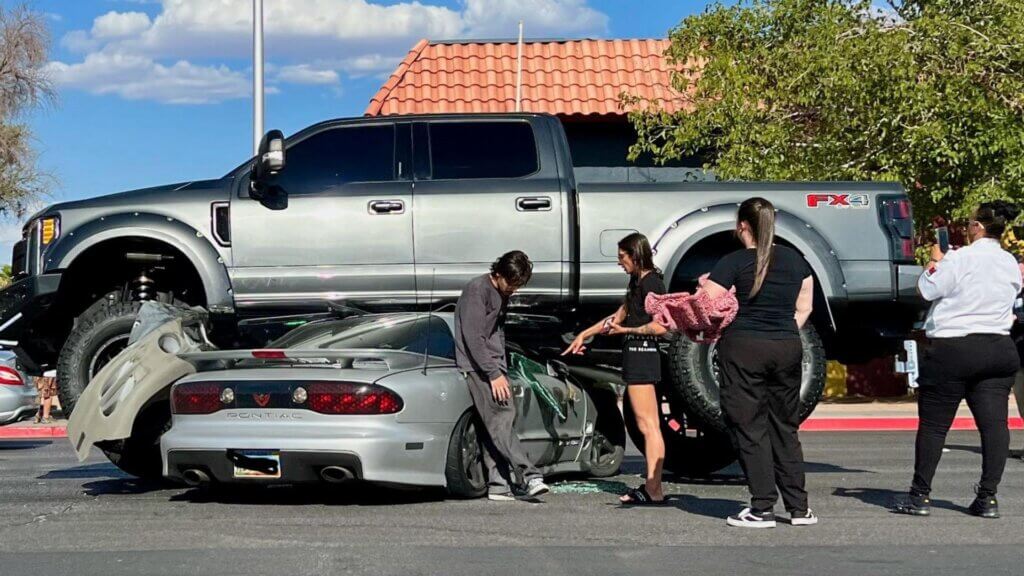
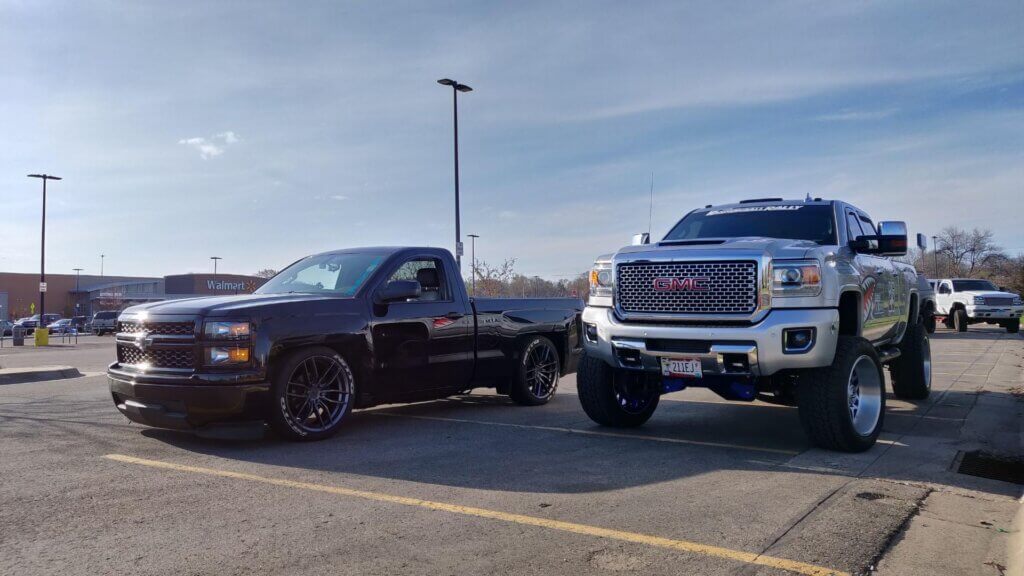
Modern pickup trucks have grown significantly taller, with some models reaching seven feet from road to roof. This increased height positions their headlights directly at eye level for drivers in standard cars and wagons. The poster noted that these lights are not only brighter than ever but positioned perfectly to blind anyone not sitting in an equally massive vehicle.
Reddit Users Unite in Frustration
The post in the r/mildlyinfuriating subreddit resonated with thousands of drivers. One commenter lamented the automotive arms race, noting they were forced to buy a bigger car just to feel safe. Another described experiencing a similar situation with an SUV that lit up their entire car interior at night, calling the situation completely unnecessary and dangerous for road safety.
Brighter Isn’t Always Better
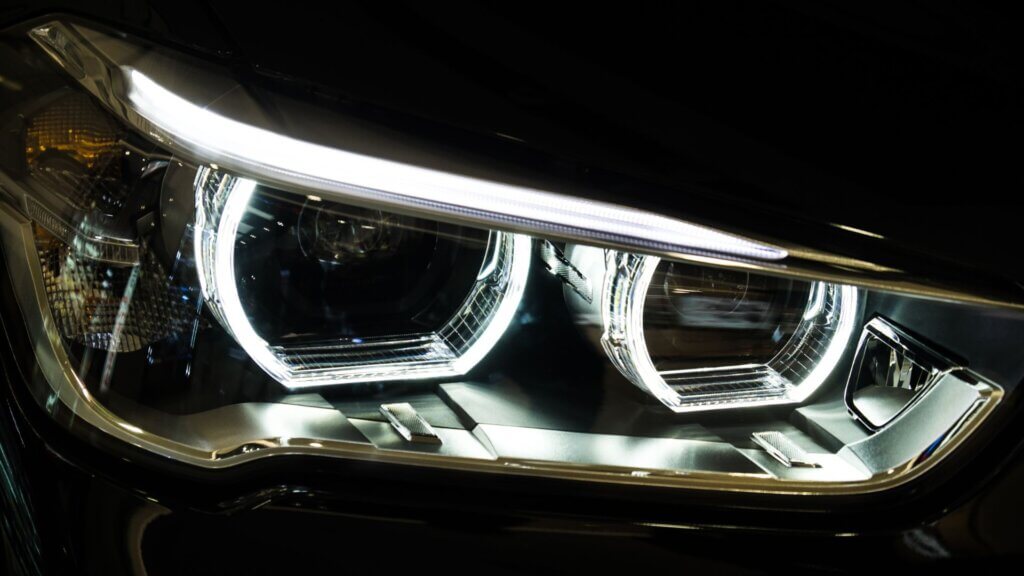
Modern LED headlights are approximately 60% brighter than older halogen bulbs, improving forward visibility for the driver. However, this technological advancement comes with unintended consequences. While LEDs last longer and use less energy, their intense brightness combined with high mounting positions creates excessive glare that temporarily impairs the vision of drivers in smaller vehicles, particularly during nighttime driving.
The Federal Government’s Role in Regulation
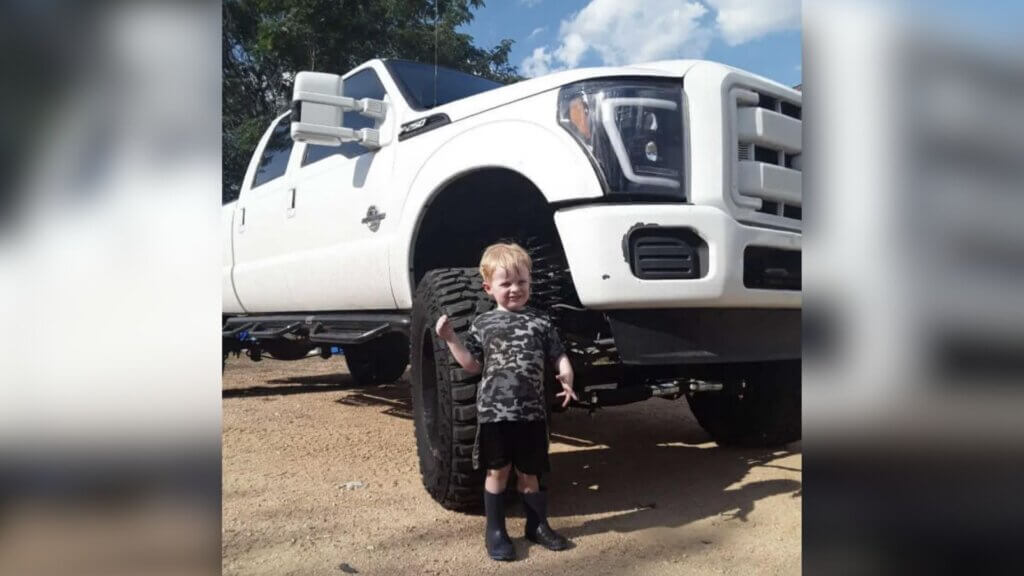
New federal regulations now limit headlight mounting heights to 54 inches from the ground, attempting to address the glare problem affecting American roads. These rules apply to all passenger cars, trucks, and multipurpose vehicles. However, enforcement and compliance remain challenging as manufacturers continue producing increasingly tall vehicles that push the boundaries of these standards while technically remaining within legal limits.
When Size Becomes a Safety Hazard
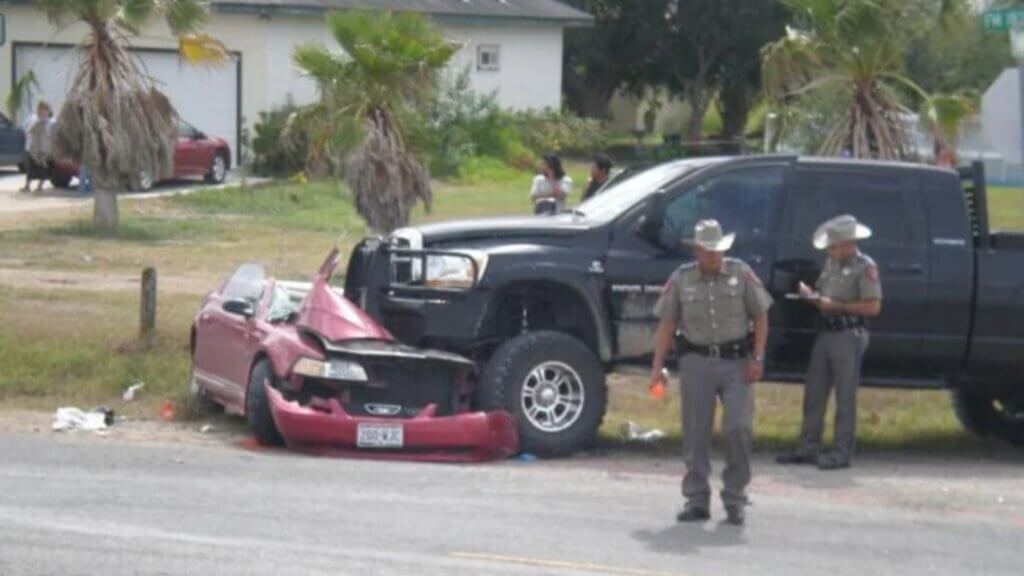
The continued growth of pickup trucks extends beyond just headlight issues. Consumer Reports data shows trucks grew 11% taller and 24% heavier between 2000 and 2018. This size increase directly impacts pedestrian safety, with vehicles featuring higher front ends proving significantly more lethal in collisions. The Insurance Institute for Highway Safety found these designs increase pedestrian fatality risk by 45%.
Blind Spots Big Enough to Hide People
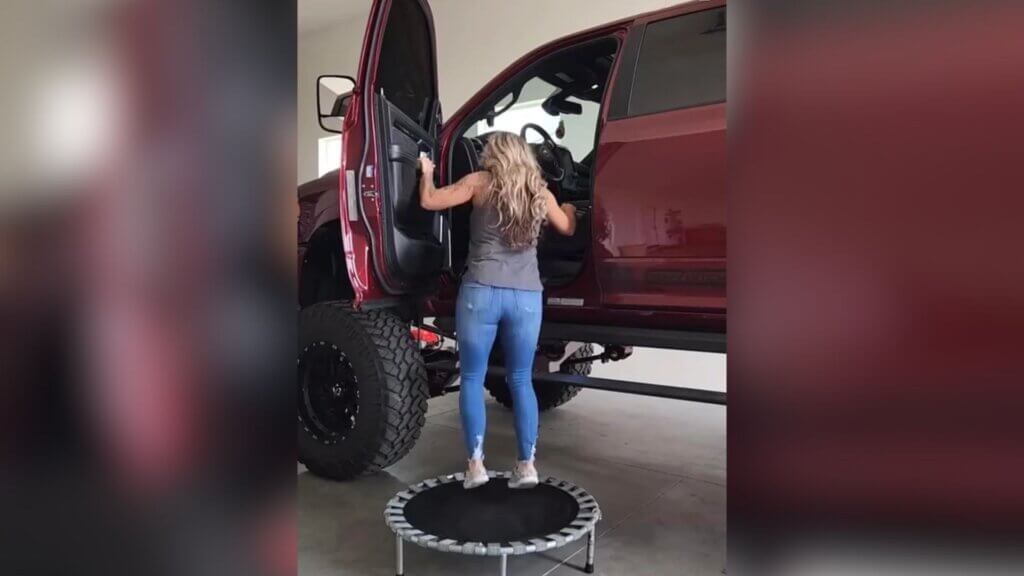
Modern trucks create dangerously large blind spots that can completely hide pedestrians and smaller cars. Some trucks have front blind spots measuring 11 feet longer than sedans and seven feet longer than popular SUVs. A vehicle hidden directly in front of a truck can extend up to 20 feet from the bumper, creating deadly situations when trucks turn or stop suddenly.
Turning Crashes Tell a Troubling Story
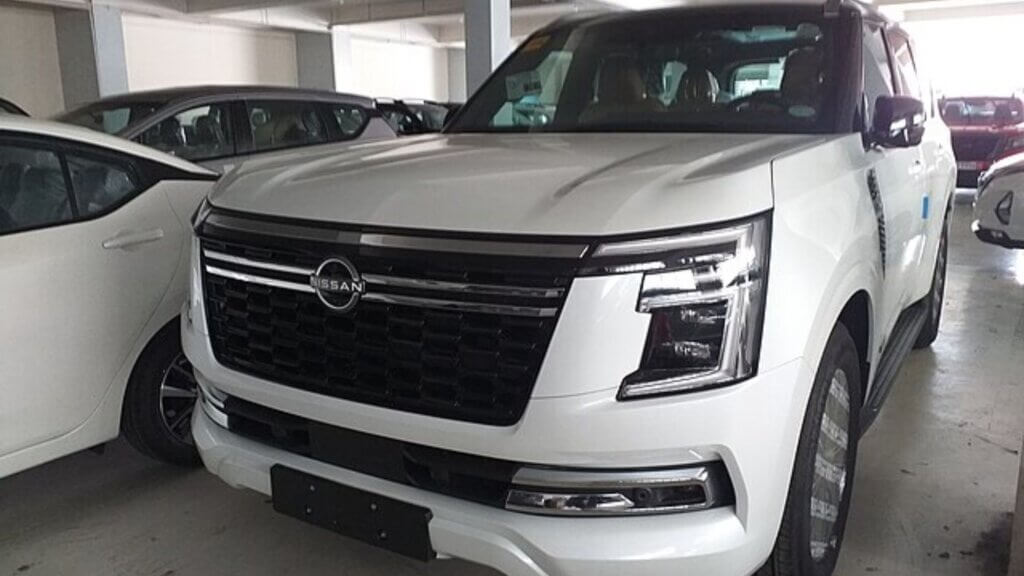
Research reveals that SUVs and pickup trucks are substantially more likely to strike pedestrians while turning. Pickups are nearly four times more likely than cars to hit someone during a left turn. This heightened risk stems from design elements like wide A-pillars, high seating positions, and long front ends that obstruct driver visibility at critical moments when pedestrians enter crosswalks.
The Illusion of High Beams

Many drivers mistake modern LED low beams for high beams, frequently flashing their own lights in frustration. But the offending vehicle isn’t using high beams at all—their standard headlights are simply extraordinarily bright. This confusion highlights how dramatically lighting technology has changed, creating situations where properly functioning headlights feel aggressive and dangerous to other road users attempting to navigate safely.
Headlight Misalignment Compounds the Crisis

Beyond brightness and height, many vehicles suffer from poorly aligned headlights that worsen glare problems. Studies spanning decades show consistent issues with misdirected headlights across various models. When headlights aim too high, they directly strike oncoming drivers’ eyes. When too low, they fail to illuminate the road adequately. Not all states require headlight alignment assessments during inspections.
The Profit Motive Behind Bigger Trucks
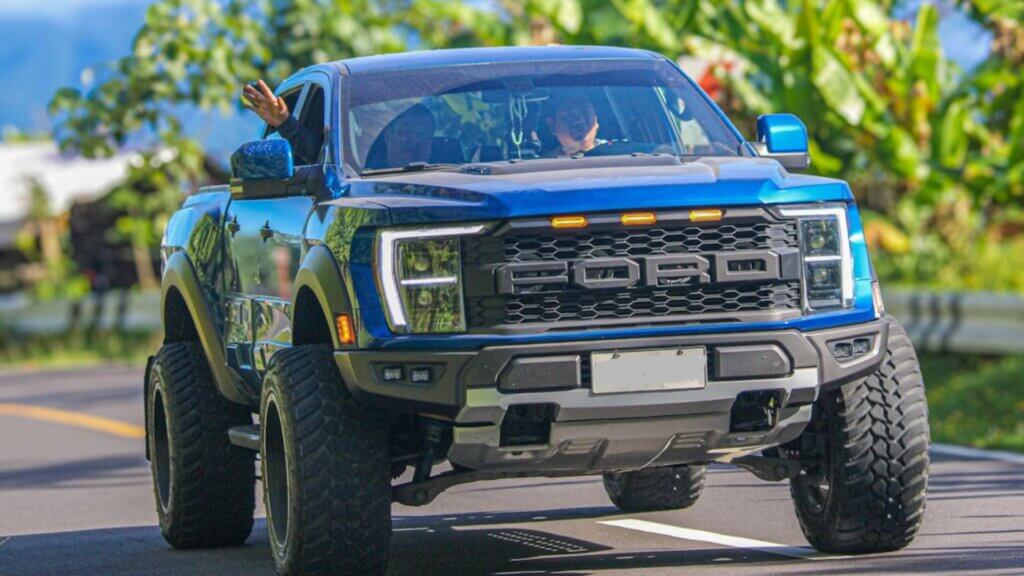
Despite safety concerns, automakers continue producing increasingly large trucks because they generate substantial profits. Luxury trucks with prices exceeding $60,000 can earn manufacturers four to five times more profit than selling sedans. This financial incentive discourages changes to profitable vehicle designs, even as evidence mounts regarding their danger to pedestrians and other drivers sharing America’s roads.
Advanced Technology Offers Limited Solutions
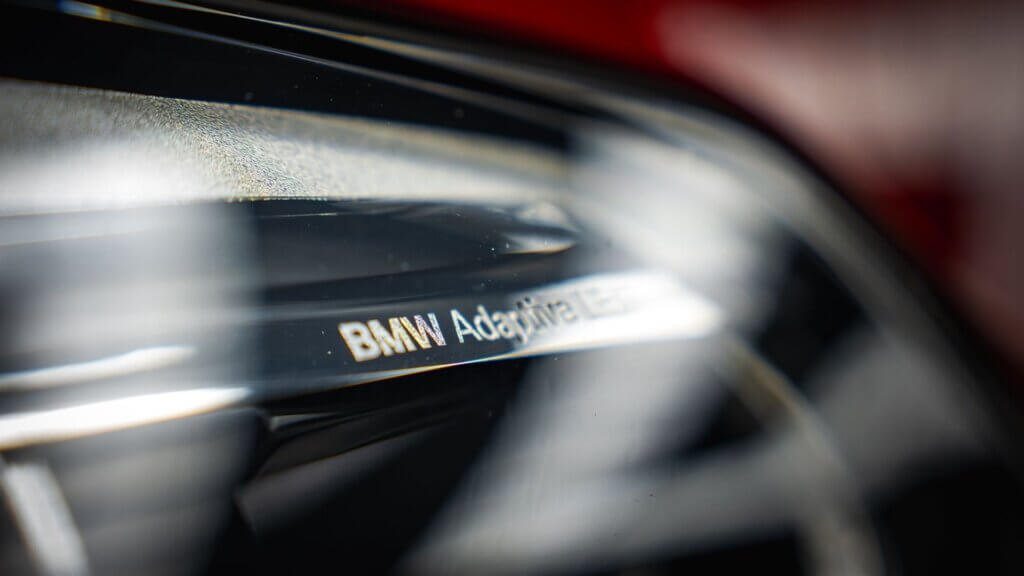
Adaptive headlight systems can automatically adjust beam patterns to reduce glare when detecting oncoming traffic. However, only 15% of countries mandate this technology as of 2022. While supporters promote adaptive systems as solutions, critics argue they address symptoms rather than root causes. The underlying problem remains: excessively bright lights mounted too high on increasingly massive vehicles.
The Consumer Preference Paradox
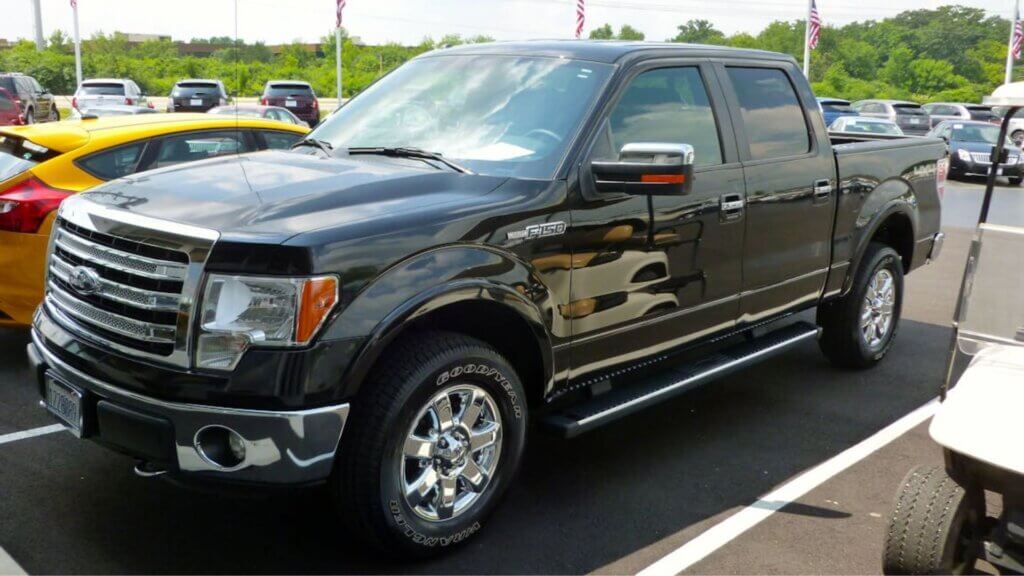
Manufacturers claim that growing truck sizes reflect consumer preferences, with customers gravitating toward taller vehicles offering more space and capability. Ford and GM representatives state that larger grilles are necessary to support engine cooling when towing trailers. However, less than half of pickup owners regularly go off-road, and fewer than 30% routinely haul cargo, suggesting these vehicles exceed most owners’ actual needs.
When Trucks Dominate the Marketplace
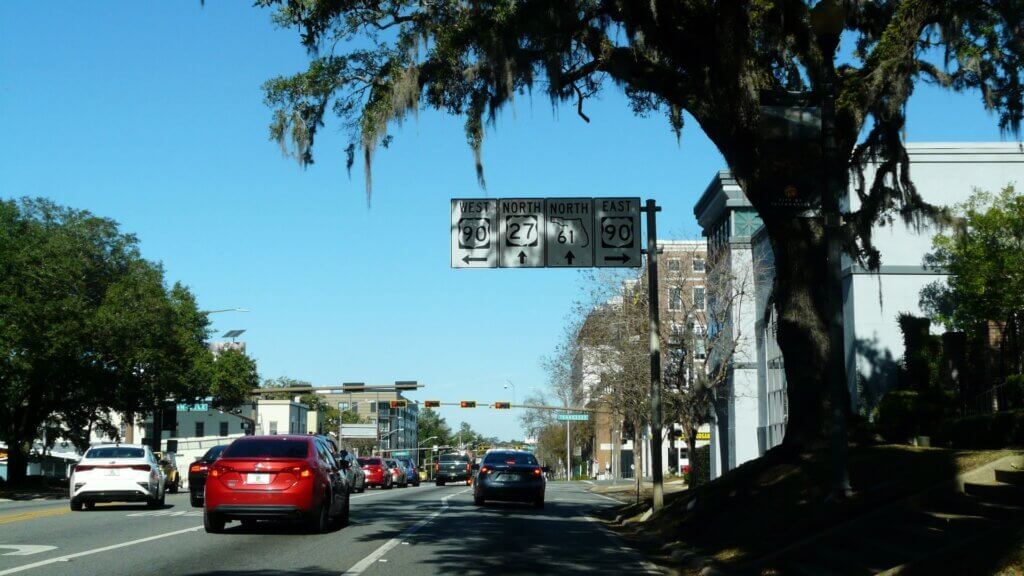
Pickup trucks account for one in five new vehicles sold in America, with the best-selling vehicle in North America being a pickup. This market dominance means more drivers experience the headlight glare problem daily. As traditional sedans disappear from manufacturers’ lineups, the height disparity between vehicles increases, making the mismatch between truck headlights and passenger car eye levels increasingly common.
Solutions Beyond Vehicle Design

Addressing this crisis requires multiple approaches beyond automotive design changes. Road infrastructure improvements, including better intersection design with bollards and rubber curbs, can slow turning speeds and improve visibility. Lower speed limits in pedestrian-heavy areas and mandatory advanced safety features like automatic emergency braking could help. However, these solutions face implementation challenges and varying political support.
The Human Cost of Modern Design
Over 6,500 pedestrians died in motor vehicle crashes in 2020, with a third involving pickup trucks and SUVs. Pedestrian fatalities have increased 59% since 2009, rising nearly every year. While multiple factors contribute to these deaths, the combination of poor visibility, bright headlights, and massive vehicle size creates preventable tragedies. Each statistic represents real people—families forever changed by design choices prioritizing size over safety.
Grassroots Activists Push for Change

The crusade against excessively bright headlights has gained momentum through dedicated individuals and online communities. The Soft Lights Foundation’s petition asking Congress to regulate LED headlights has gathered over 50,000 signatures. Reddit communities share information and coordinate awareness efforts. These activists argue that current industry standards prioritize forward visibility for large vehicle drivers while ignoring the safety concerns of everyone else.
International Perspectives on Vehicle Safety
Other countries have implemented stricter vehicle design regulations that limit front-end height and mandate pedestrian protection features. European Union standards require vehicles to minimize pedestrian injury risk, leading to different truck designs overseas. Japan restricts vehicle dimensions, keeping trucks more compact. These international approaches demonstrate that alternative design philosophies exist, though American regulations remain comparatively lenient regarding vehicle size and lighting standards.
Living with the Luminous Reality
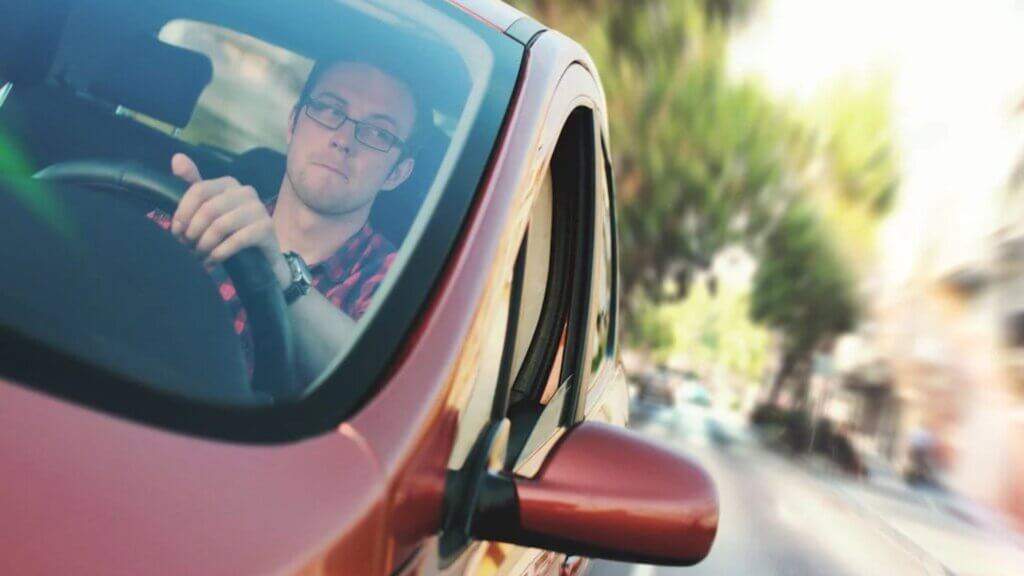
For now, drivers in lower vehicles must develop coping strategies: adjusting mirrors to deflect glare, using night-mode rearview mirrors, and maintaining extra distance from trucks. Some drivers choose vehicles with yellow-tinted eyeglass lenses to reduce brightness perception. While these adaptations help individuals cope, they don’t address the fundamental problem requiring systemic solutions from manufacturers, regulators, and policymakers.
The Road Ahead Demands Action
The frustration expressed by that Reddit poster reflects a widespread safety crisis demanding immediate attention. As trucks grow taller and lights grow brighter, the danger intensifies for everyone sharing the road. Meaningful change requires regulatory enforcement, manufacturer accountability, and consumer awareness. Until stakeholders prioritize safety over profits and preferences, drivers will continue navigating roads dangerously illuminated by trucks’ blinding headlights each night.