

Products are selected by our editors, we may earn commission from links on this page.
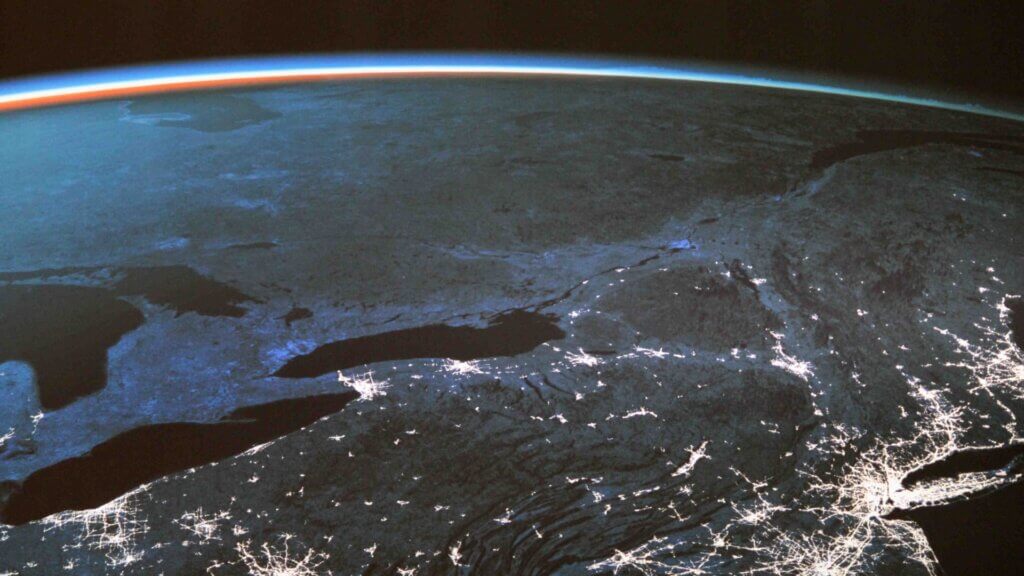
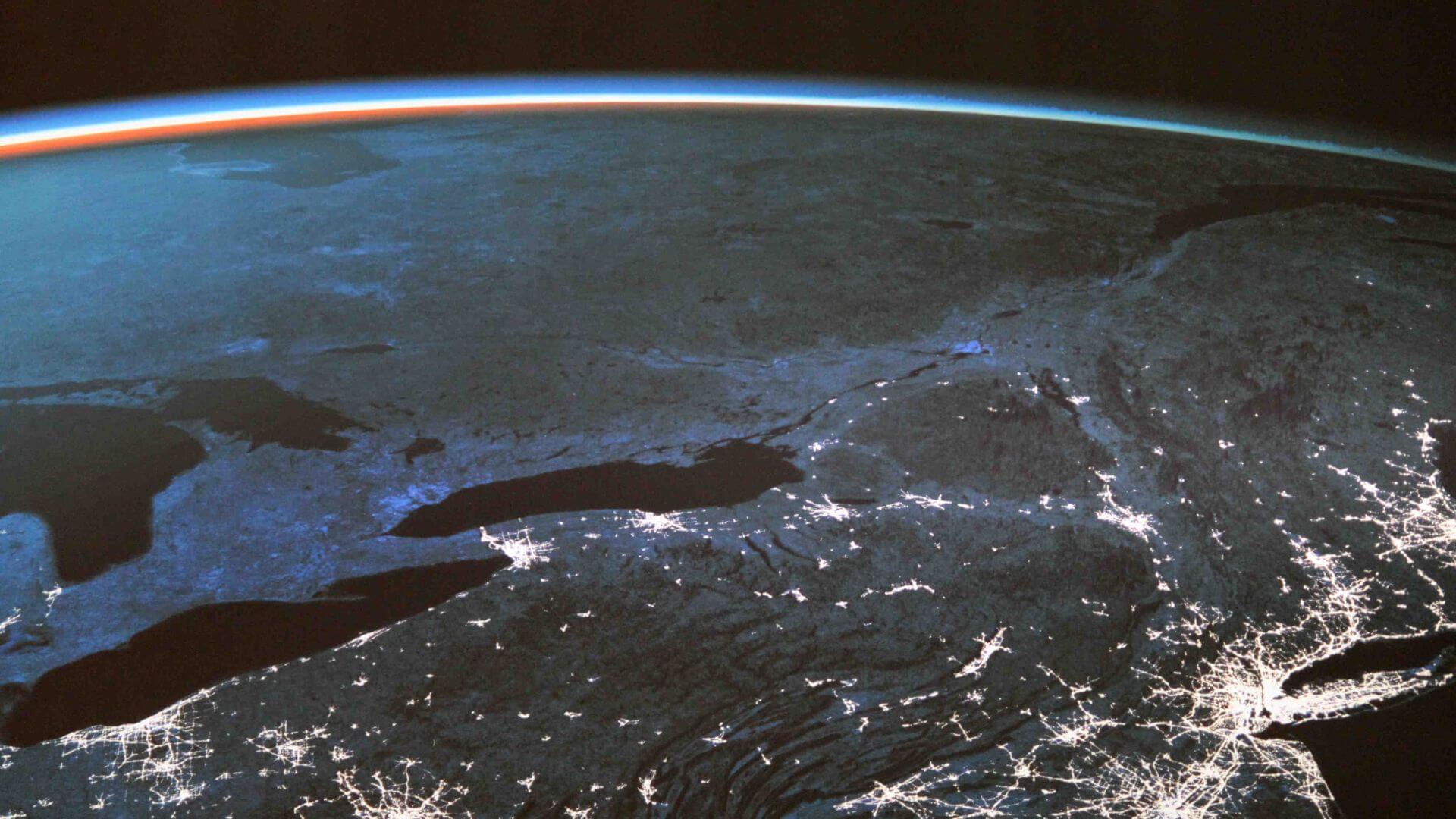
Oxygen is essential not only for human life, but for all life on our planet, and it’s easy to assume that it will always be abundant. But NASA scientists are issuing an urgent warning that the oxygen on Earth is, in fact, depleting and have even predicted a timeline for when it will run out.
Looking at Earth’s Future
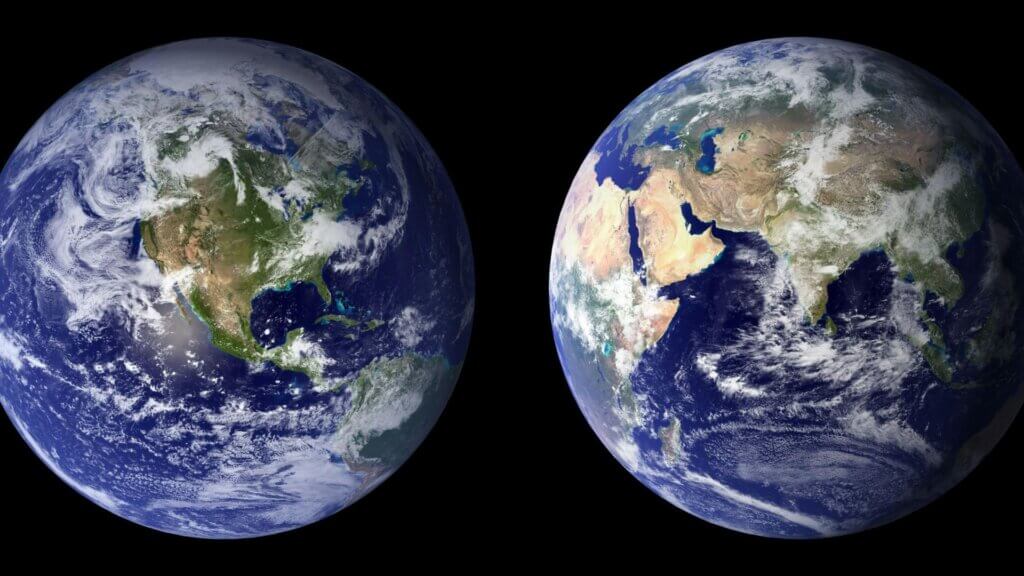
Researchers have been studying Earth’s atmosphere and the shifts that occur, and their models show a worrisome reality: oxygen levels will not remain constant over time. The prediction is that oxygen levels could dramatically decrease in the future.
Why Oxygen Will Fade

One of the main drivers for oxygen fading is the natural aging of the Sun. As it becomes brighter over time, Earth’s surface will warm. These changes will impact how carbon dioxide cycles through the planet, disrupting the balance required for large-scale photosynthesis.
The Role of Photosynthesis

Photosynthesis is the process that continuously refreshes Earth’s oxygen, making it suitable to breathe. Plants, algae, and certain microbes take in carbon dioxide and then release oxygen into the air. When carbon dioxide becomes too scarce for this process to continue efficiently, oxygen production will drop sharply.
Impact on Life

A decline in oxygen would be devastating for all complex life forms that depend on it. Large animals, including mammals, birds, and fish, would struggle to survive if oxygen levels fall. Some smaller and simpler organisms would potentially be able to adapt to low or no-oxygen conditions.
A Changing Atmosphere
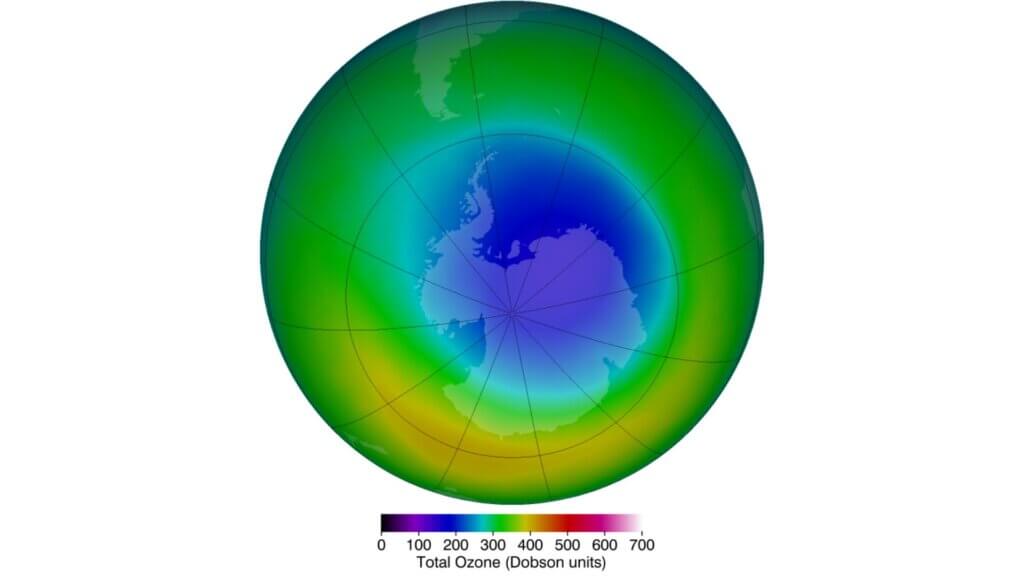
The loss of oxygen would also mean a loss of ozone. This is the protective shield that filters harmful ultraviolet radiation from the Sun. Without ozone, Earth’s surface would become much harsher and eventually uninhabitable for the kinds of ecosystems we see today.
The Long-Term Timeline
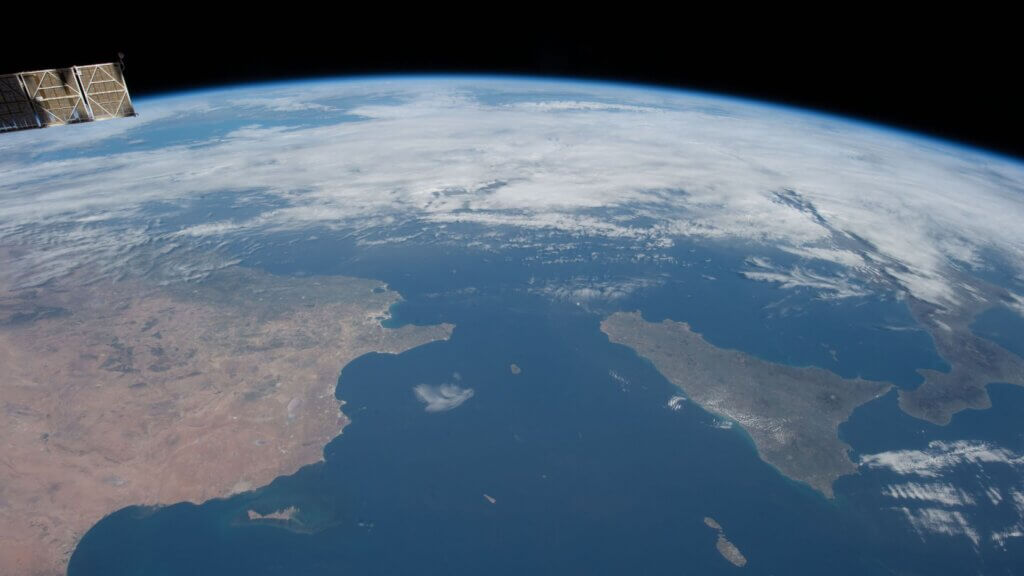
The most widely accepted estimate for the timeline is that oxygen levels may fall to a fraction of today’s levels in about one billion years. While this may not happen until the very distant future, NASA researchers are issuing an urgent call to action now to prevent the decline. Otherwise, eventually, the Earth we know today will look and feel very different.
Uncertainty in the Details

Although the overall trend is clear, the exact timeline is less certain. Many factors, such as volcanic activity, ocean chemistry, and the way ecosystems respond, could speed up or slow down the process.
Lessons for Life Beyond Earth
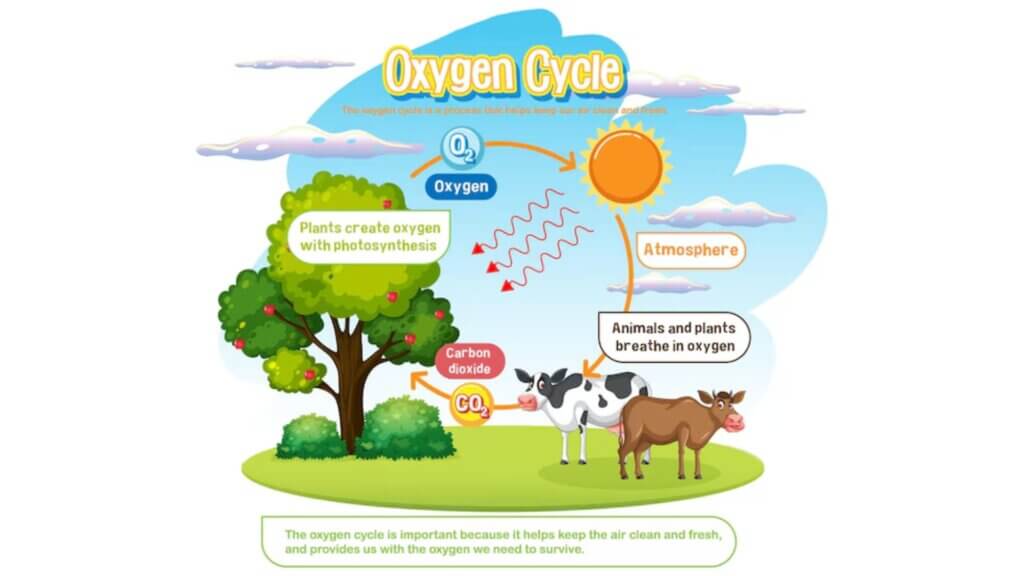
Understanding Earth’s oxygen cycle also helps scientists think about the realities of other planets as well. Oxygen is often seen as a marker for life, but this research shows that oxygen may only exist during specific periods. Planets without oxygen may still host life, just in different forms.
A Perspective on the Present
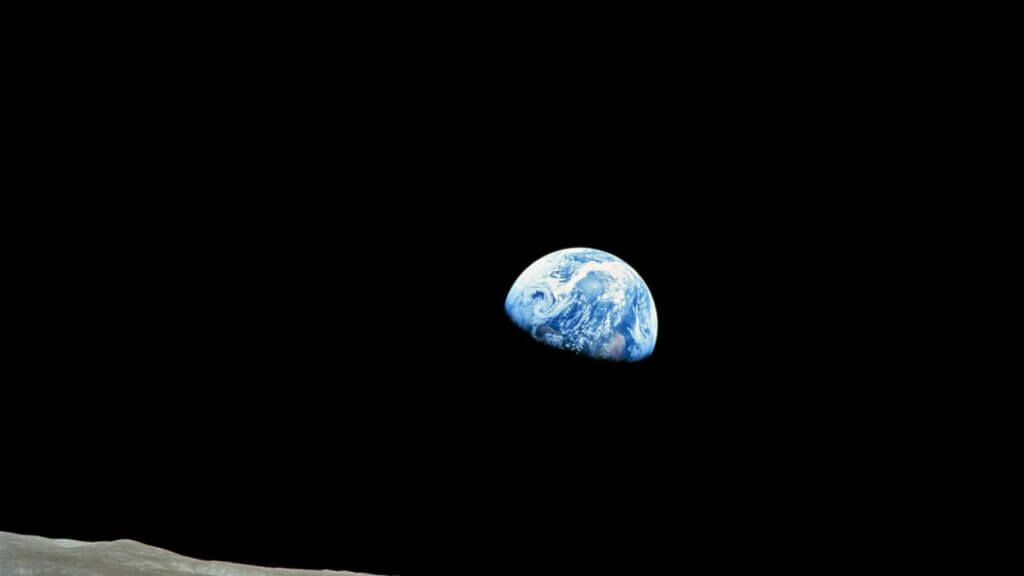
The possibility of oxygen fading in the far future is not a cause for immediate alarm. However, it serves as a stark reminder of our impact on the planet and just how reliable we are on the system at play on Earth. For now, the balance of oxygen supports an extraordinary range of life—and it reminds us to care for the systems that keep it stable.