

Products are selected by our editors, we may earn commission from links on this page.
The number on your screen matches the one printed on the back of your debit card. The caller knows your account number, your balance, even recent transactions. Everything feels real because it is designed to. The FBI is now warning Americans that a new wave of “banking spoof call” scams is draining accounts of thousands of dollars, and the people losing money are not careless. They are being outplayed by criminals who have done their homework.
This article was created with the assistance of AI and reviewed by our editorial team for accuracy and clarity.
What “Spoofing” Actually Means
Phone spoofing is the practice of disguising a real phone number so that a different number appears on the recipient’s caller ID. Scammers use widely available technology to make their calls look like they are coming from your bank, a government agency, or even the FBI. The display name and number can be cloned almost exactly. When you see a number you recognize and trust, your guard drops. That is precisely the moment scammers are waiting for.
The Script That Fools Even Cautious People
A typical spoof call follows a familiar pattern. A caller introduces themselves as a representative from your bank’s fraud department. They reference a suspicious transaction on your account and urge you to act immediately. The urgency is deliberate. According to FBI Special Agent Robert Richardson of the Chicago Field Office, criminals intentionally rush victims because panicked people make faster, less careful decisions. The clock is always ticking. The pressure is always on.
She Lost $40,000 in One Phone Call

Jennifer Lichthardt, a Chase Bank customer, received a call that appeared to come directly from the number on her debit card. The caller knew her account number and her exact balance. A second caller joined in, claiming to be an FBI agent, complete with a badge number. Lichthardt was convinced to move nearly $40,000 into what she believed was a secured Chase account. By the next morning, every dollar had vanished. She described the experience as feeling “financially violated.” But Lichthardt was not alone.
A Second Victim, a Different Bank, the Same Trap
Susie Allgood, a Huntington Bank customer, received a spoof call from someone claiming to be from Zelle. The caller said she needed to upgrade her account to keep receiving payments. He already had her routing number. She sent $5,000 via Zelle to what she believed was a legitimate upgrade process. The money went straight to the scammer. Neither woman had received a refund from her bank after reporting the fraud.
Where Scammers Get Your Personal Information
One of the most unsettling parts of these scams is how much real information the callers already have. The FBI and cybersecurity experts say criminals often piece together financial data from the dark web, where stolen account details are sold in bulk, and even from physical sources like discarded mail or bank statements. Some scammers also call bank automated systems to check account balances before contacting the victim. By the time they call you, they already know more than you expect.
The Scale of the Problem Is Larger Than Most Realize
These scams are not isolated incidents. Since January 2025, the FBI has received more than 5,100 complaints related to impersonation and account takeover schemes, with reported losses surpassing $262 million, according to a financial institution security alert citing FBI data. The agency has classified spoofed bank calls as a growing national threat. The cases reported likely represent only a fraction of total incidents, as many victims do not come forward out of embarrassment or uncertainty about who to contact.
What the FBI Wants You to Do Right Now
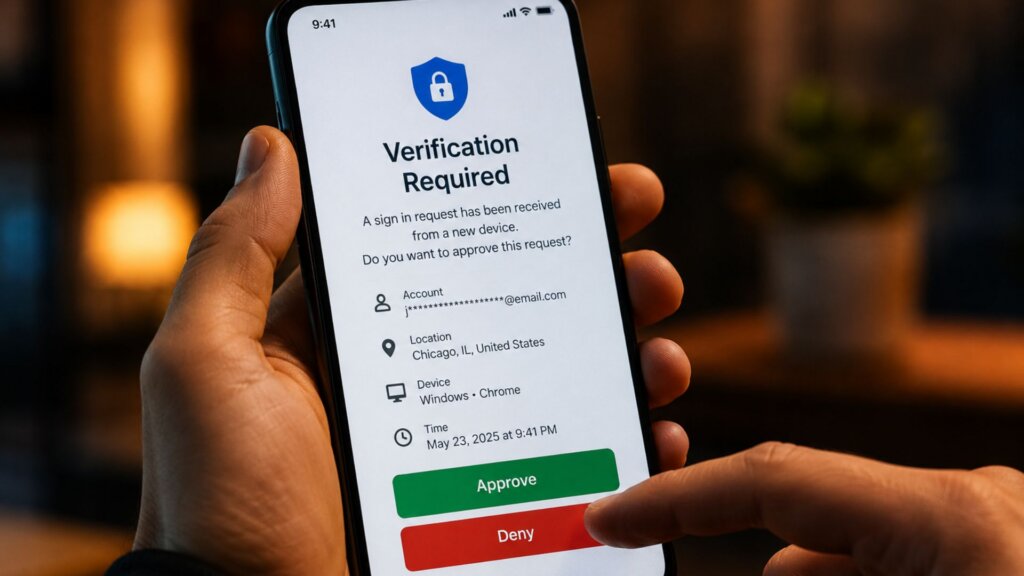
The FBI recommends enabling two-factor or multi-factor authentication on all financial accounts as a first line of defense. Officials also urge people to scrutinize email addresses and web links for small misspellings and to never click unsolicited links sent by text or email. Most importantly, the agency stresses that no legitimate bank or government agency will ever call you and ask you to move money, hand over your password, or grant remote access to your accounts. That request, every time, is a scam.
Chase’s Warning and What Banks Will Never Ask You
In a statement to ABC 7, Chase Bank was direct: “We urge all consumers to ignore phone, text, or internet requests to move money or gain access to their computer or bank accounts. Banks and legitimate companies won’t make these requests, but scammers will.” If you receive a call like this, hang up. Then call your bank directly using the official number on their website or the back of your card. Do not call back any number the suspicious caller gave you. That line leads nowhere good.
The Best Defense Is Knowing the Playbook

Banking spoof scams work because they are built on trust, your trust in your bank, in caller ID, in the sense that someone with your account details must be legitimate. That trust is now a vulnerability. The FBI encourages anyone who has experienced a suspected spoofing or phishing scam to report it to the Internet Crime Complaint Center at ic3.gov. Awareness is still the most powerful protection available. The scammers know the script. Now, so do you.