


Products are selected by our editors, we may earn commission from links on this page.

The Ferris Fire has become one of Colorado’s largest wildfires of the season, growing to approximately 64,000 acres and prompting urgent evacuation orders for nearby communities. Dry vegetation, strong winds, and hot weather have fueled the fire’s rapid expansion, making containment efforts increasingly difficult. Firefighters continue working around the clock to protect lives, homes, and critical infrastructure.
The Fire Expanded Rapidly
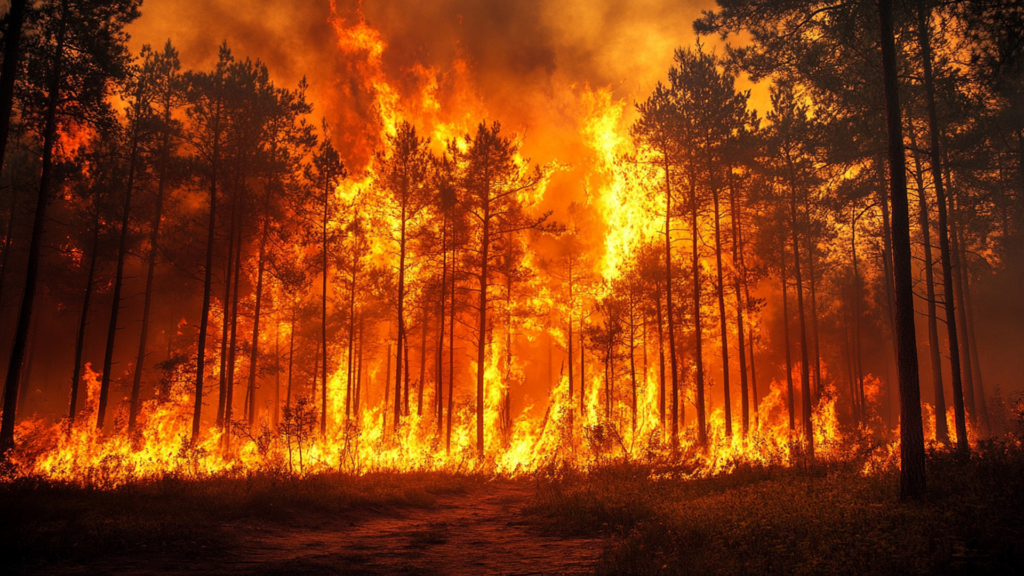
The wildfire grew quickly over a short period, eventually surpassing 64,000 acres. Fire officials say weather conditions, including gusty winds and low humidity, allowed flames to spread across rugged terrain at an alarming pace. Rapid fire growth forced emergency managers to adjust response strategies as conditions changed.
Midnight Evacuations Were Ordered

As the fire intensified, officials issued evacuation orders for several communities, including some announced during the night as fire conditions worsened. Emergency alerts urged residents to leave immediately to protect their safety. Authorities stressed the importance of following evacuation instructions without delay whenever wildfire threats increase.
Firefighters Face Difficult Conditions

Crews are battling challenging terrain, shifting winds, and extremely dry vegetation while attempting to slow the fire’s advance. Aircraft, helicopters, bulldozers, and ground crews have all been deployed to support containment efforts. Firefighters continue constructing fire lines where conditions allow while protecting homes and critical facilities.
Weather Continues to Influence Fire Behavior

Weather remains one of the biggest factors affecting the wildfire’s movement. High temperatures, low humidity, and periodic wind gusts can quickly change the direction and intensity of the flames. Forecasters continue monitoring conditions closely because even small weather changes can significantly impact firefighting operations.
Communities Remain on High Alert

Residents in nearby communities are being encouraged to stay informed as evacuation zones and road closures may change with little warning. Local emergency officials continue providing updates through alert systems and public briefings. Officials also remind residents to prepare emergency supplies in case additional evacuations become necessary.
Air Quality Has Declined

Smoke from the Ferris Fire has reduced air quality across parts of the region. Health officials advise people, especially older adults, children, and individuals with respiratory conditions, to limit outdoor activities when smoke levels become unhealthy. Air quality conditions may fluctuate depending on wind direction and fire activity.
Investigators Continue Looking Into the Cause

The exact cause of the Ferris Fire remains under investigation. Authorities are working to determine how the wildfire started while continuing to prioritize suppression efforts and public safety. Investigations into major wildfires often continue long after the flames have been brought under control.
Wildfire Season Remains a Serious Challenge

The Ferris Fire highlights the increasing challenges posed by large wildfires during periods of prolonged heat and dry weather. Fire officials encourage residents living in wildfire-prone areas to create defensible space around homes, prepare evacuation plans, and stay informed throughout the fire season. Early preparation can help improve safety when conditions change rapidly.
The Ferris Fire Shows How Quickly Wildfires Can Escalate

The Ferris Fire’s rapid expansion to roughly 64,000 acres demonstrates how quickly dangerous wildfire conditions can develop in Colorado. With firefighters continuing to battle difficult weather and rugged terrain, protecting lives and limiting further damage remain the top priorities. As suppression efforts continue, officials urge residents to remain alert, follow evacuation orders when issued, and monitor reliable emergency updates until the threat has passed.