

Products are selected by our editors, we may earn commission from links on this page.
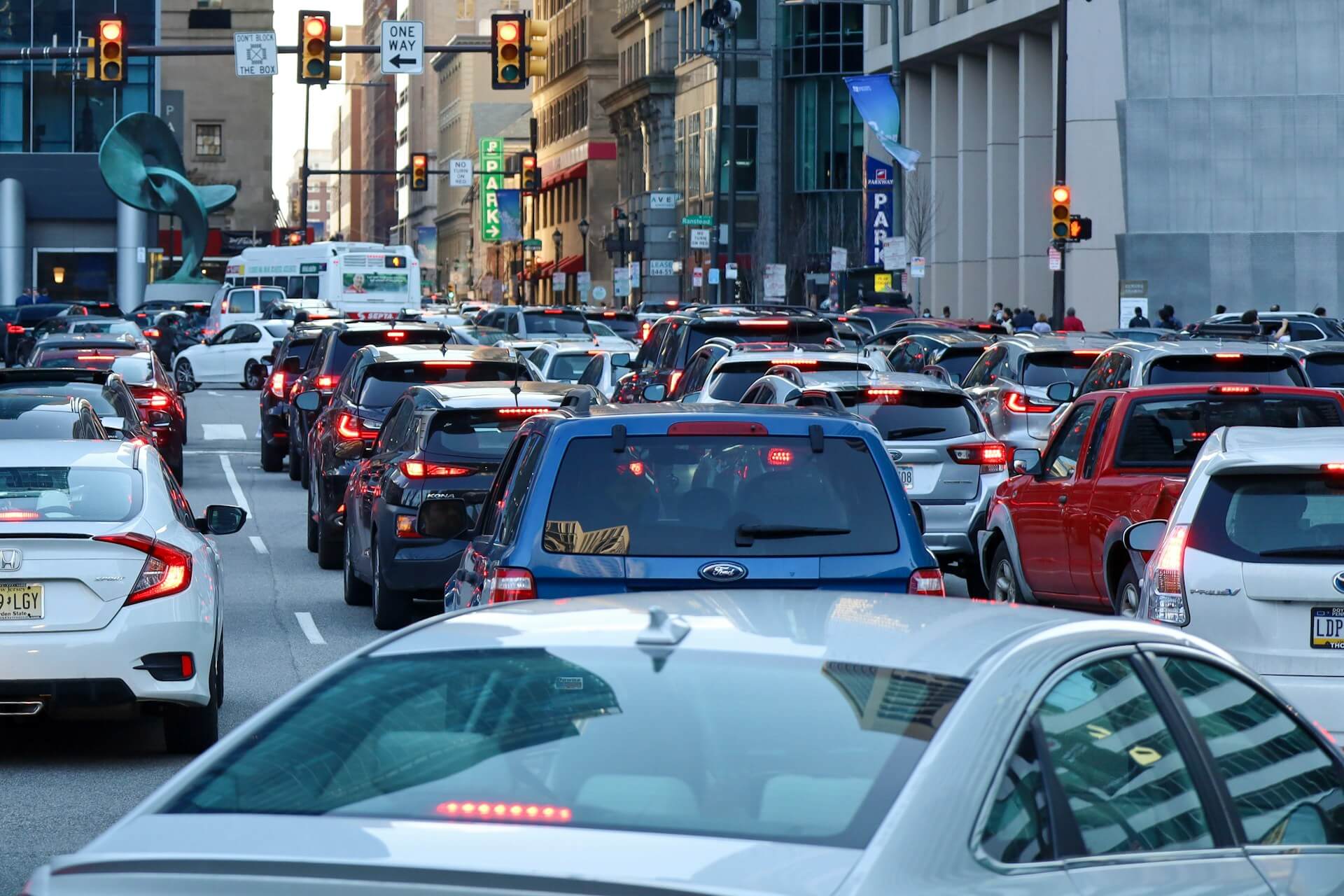
Busy roads have long been associated with congestion, pollution, and noise. Now, researchers say they may also have an unexpected social consequence: neighborhoods with heavier traffic could become more vulnerable to crime.
A new study led by researchers at the University of Leeds found that increases in motor traffic are linked to higher levels of perceived street crime, including vandalism, burglary, and violence. The findings suggest that traffic does more than change how people move through a community—it may also reshape how residents interact with one another and how safe they feel where they live.
Rather than relying solely on police reports, which researchers note can undercount crime and vary by location, the study examined how residents’ own perceptions changed over time. By tracking the same households across England, Scotland, and Wales, the researchers concluded that the relationship between heavier traffic and rising street crime appears to be causal rather than simply a coincidence.
Why Traffic Could Influence Crime
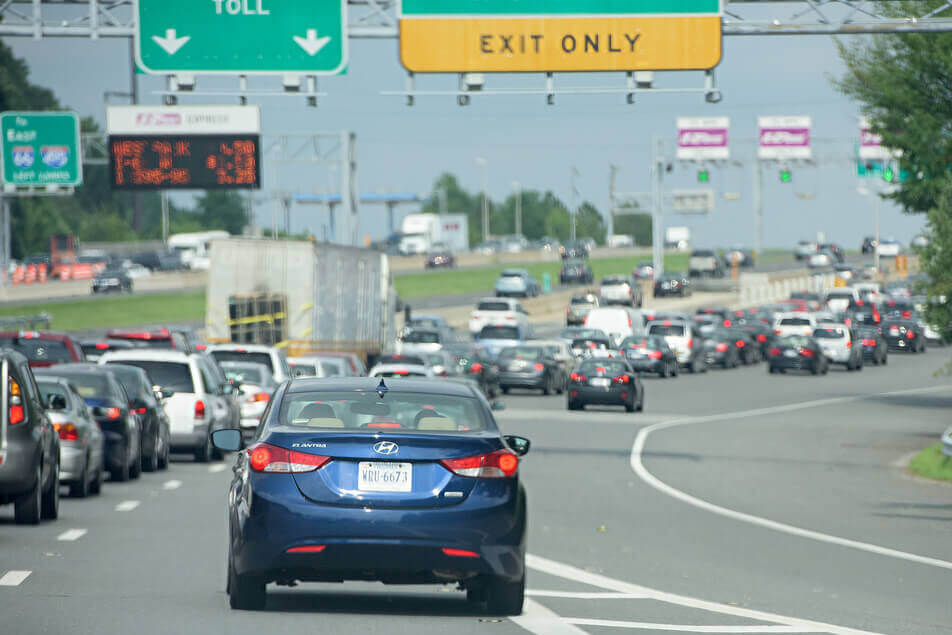
The researchers explored several possible explanations for the connection. One centers on the idea of “collective efficacy”—the strength of social relationships within a neighborhood and residents’ willingness to look out for one another.
According to the study, busy roads can weaken these community bonds. Heavy traffic makes it more difficult for neighbors to stop and talk, reduces pedestrian activity, and discourages people from spending time outdoors. As trust and interaction decline, informal surveillance of public spaces also diminishes, creating fewer “eyes on the street” to deter crime.
The research also points to the long-debated “Broken Windows Theory,” which suggests visible signs of neglect can encourage further disorder. Traffic can contribute to litter, noise, graffiti, and other indicators of deterioration, potentially reinforcing perceptions that an area is less cared for and more susceptible to criminal activity.
The Evidence Behind the Findings

To investigate the relationship, researchers analyzed data from the UK’s long-running “Understanding Society” survey, which follows tens of thousands of households over time. The study compared changes within the same neighborhoods rather than differences between separate communities, allowing researchers to isolate the impact of changing traffic levels.
The results were consistent across multiple analyses. When neighborhoods experienced an increase in traffic, residents also reported higher levels of vandalism, burglary, and violence. The researchers found that reports of vandalism rose by roughly 9%, while perceptions of burglary increased by about 6% and violence by approximately 6.5%.
The findings also align with previous research on London’s Low Traffic Neighborhoods, which has shown that restricting through-traffic was associated with roughly a 10% reduction in recorded crime. Together, the studies strengthen the case that traffic management may have broader public safety benefits beyond transportation and environmental improvements.
Rethinking How Cities Are Designed
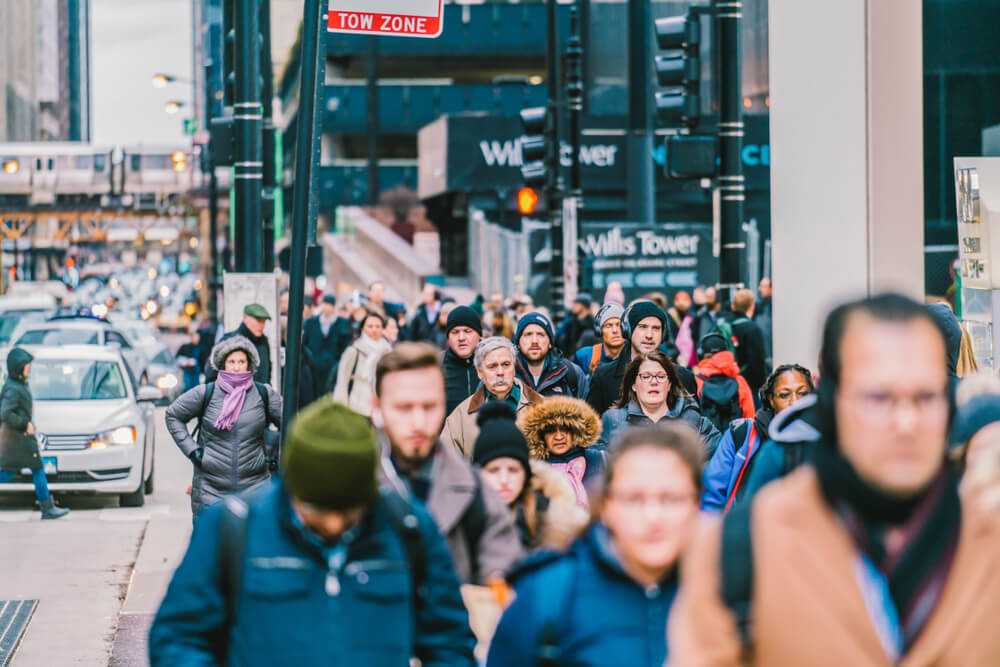
The researchers argue their findings should influence how cities approach urban planning. Policies such as low-traffic neighborhoods and 20 mph speed zones have traditionally been justified for improving road safety, reducing emissions, and encouraging healthier forms of travel. The new evidence suggests crime prevention may deserve a place on that list as well.
The study also raises questions about traditional crime-prevention strategies that prioritize limiting access into residential developments. While restricting entry points may make it more difficult for offenders to move through an area, encouraging greater reliance on cars could unintentionally weaken the community connections that naturally discourage crime.
The researchers emphasize that effective urban design should balance transportation, accessibility, and public safety rather than treating them as separate issues. If future planning reduces unnecessary traffic while creating streets that encourage walking, interaction, and neighborhood engagement, cities may be able to improve not only mobility and environmental outcomes but also residents’ sense of security.