


Products are selected by our editors, we may earn commission from links on this page.

Every hour you spend glued to a chair without moving could be quietly raising your risk of dying from cancer. That is the striking conclusion from a massive new study tracking more than 91,000 adults for over a decade. The research did not just look at how much people sat, it looked at how they sat, and the pattern that emerged was impossible to ignore. What counts most may not be total sitting time at all, but something far more specific.
Researchers from the University of Glasgow and Harvard analyzed data from wearable activity trackers worn by UK Biobank participants for seven days, then followed those same people for an average of 12 years. The goal was to understand whether breaking up long stretches of sitting actually matters for cancer risk, not just overall inactivity. What they found reshapes how experts think about sedentary behavior entirely, and the numbers behind it are hard to dismiss.
Each additional hour of uninterrupted sitting, meaning sitting for 30 minutes or more without getting up, was linked to a 10 percent higher risk of dying from cancer. That is not total sitting time, that is unbroken sitting time specifically. The distinction matters enormously, because it means two people who sit the same number of hours a day could face very different risks depending on whether they ever stand up in between.
The Small Habit That Cut Cancer Risk by Double Digits
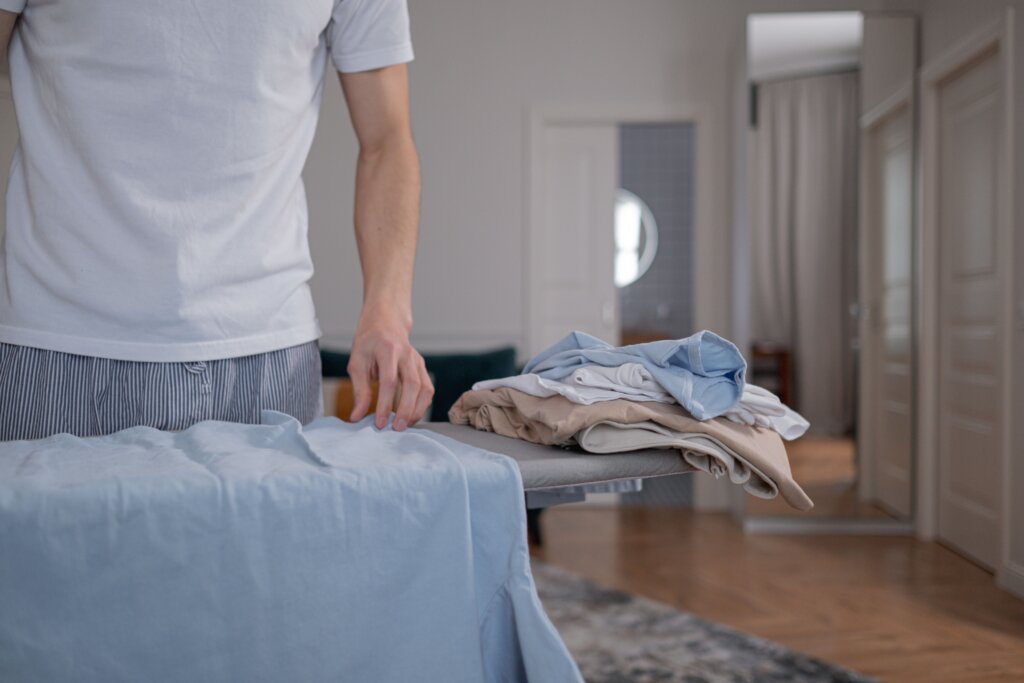
Here is where the study gets genuinely hopeful. Swapping just one hour of prolonged sitting each day for light movement, like slow walking or household chores such as ironing or washing dishes, lowered cancer death risk by 12 percent. That is not an intense workout requirement. It is closer to simply getting up and doing something, anything, instead of staying seated for half an hour straight or longer.
The benefits scaled with intensity too. Replacing 30 minutes of sitting with moderate activity, like walking at a normal pace, dropped cancer death risk by 8 percent. For those able to squeeze in something more vigorous, even just 5 minutes of intense movement instead of sitting was linked to a 22 percent lower risk. Dr. Frederick Ho, the study’s lead author from the University of Glasgow, said sitting for 30 minutes at a time is particularly linked to higher cancer risk.
Ho added that the encouraging part is simple: breaking up sitting time with something as basic as a short walk could be protective. He noted that current health guidelines tend to focus heavily on moderate or vigorous exercise, while largely ignoring light movement, even though this research suggests light activity deserves far more attention than it currently gets from official recommendations.
Why Sitting Quietly Damages the Body From the Inside

This isn’t the first time sitting has been flagged as a health risk, but understanding why matters. According to the Mayo Clinic, sitting for long periods has been linked to obesity and a cluster of conditions known as metabolic syndrome, including high blood pressure, elevated blood sugar, and unhealthy cholesterol. One analysis of over a million people found that sitting more than eight hours daily with no activity carried risks comparable to smoking or obesity.
Oncologist David Yashar explained to Healthline that a sedentary lifestyle can lead to weight gain, and increased fat causes inflammation, a known risk factor for cancer. He also noted that sedentary behavior may disrupt hormone levels tied to hormone sensitive cancers like breast cancer. The prolonged sitting in this new study was linked to eight different cancer types, including colorectal, pancreatic, and liver cancer.
Even the origins of this research go back further than people realize. In the 1950s, scientists discovered that double decker bus drivers, who sat for 90 percent of their shifts, had twice the heart attack risk of bus conductors who climbed roughly 600 stairs daily, according to the NHS. That early clue helped launch decades of research connecting stillness itself, not just lack of exercise, to serious disease.
What You Can Actually Do About It Starting Today

The good news is that fixing this doesn’t require overhauling your entire life. The NHS suggests simple strategies like standing during phone calls, taking the stairs instead of elevators, or setting a reminder to get up every 30 minutes. Something as small as walking to a colleague’s desk instead of emailing, or pacing during a coffee break, can interrupt the kind of prolonged stillness researchers now link to elevated risk.
Not everyone online is convinced the fix is realistic. On Reddit, one commenter asked how many people actually go entire workdays without sitting for more than 30 minutes at a stretch, especially those with desk jobs or long commutes. It’s a fair question, and researchers acknowledge this was an observational study, meaning it shows association rather than direct proof that breaking up sitting time causes lower cancer risk.
Still, the practical takeaway remains simple even if the science isn’t fully settled. Set a timer, stand up, take a short walk, or do a few minutes of light housework instead of staying seated for half an hour straight. It won’t undo a lifetime of desk jobs overnight. But as researchers continue studying exactly how much movement is enough, one question lingers: how many minutes of your day are you willing to reclaim?