

Products are selected by our editors, we may earn commission from links on this page.
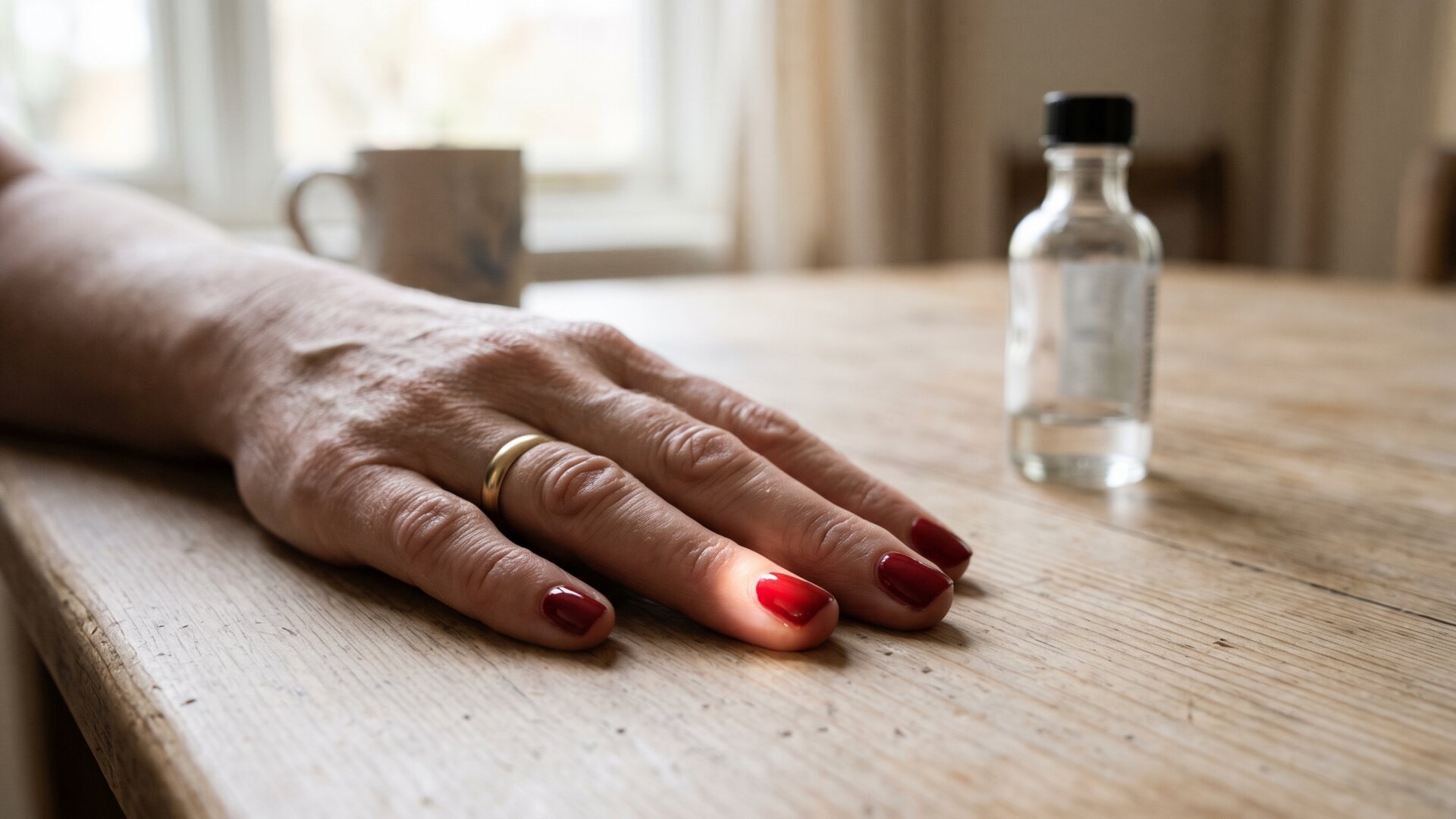
If you have been told to let your nails breathe between manicures, the biology says otherwise. The part you paint is hardened, dead keratin. The living tissue sits underneath, in the matrix below your cuticle and the bed under the plate, and it draws oxygen and nutrients from your blood rather than from the air. Dermatologist Dana Stern has put it bluntly: nails take oxygen and nutrients from the blood supply, not the air. Ohio State’s Wexner Medical Center lands in the same place, saying that if your nails are healthy, wearing polish as often as you like is fine. The advice reverses for one kind of nail, where a fresh coat makes things worse.
This article was created with the assistance of AI and reviewed by our editorial team for accuracy and clarity.
The one time to put the polish away
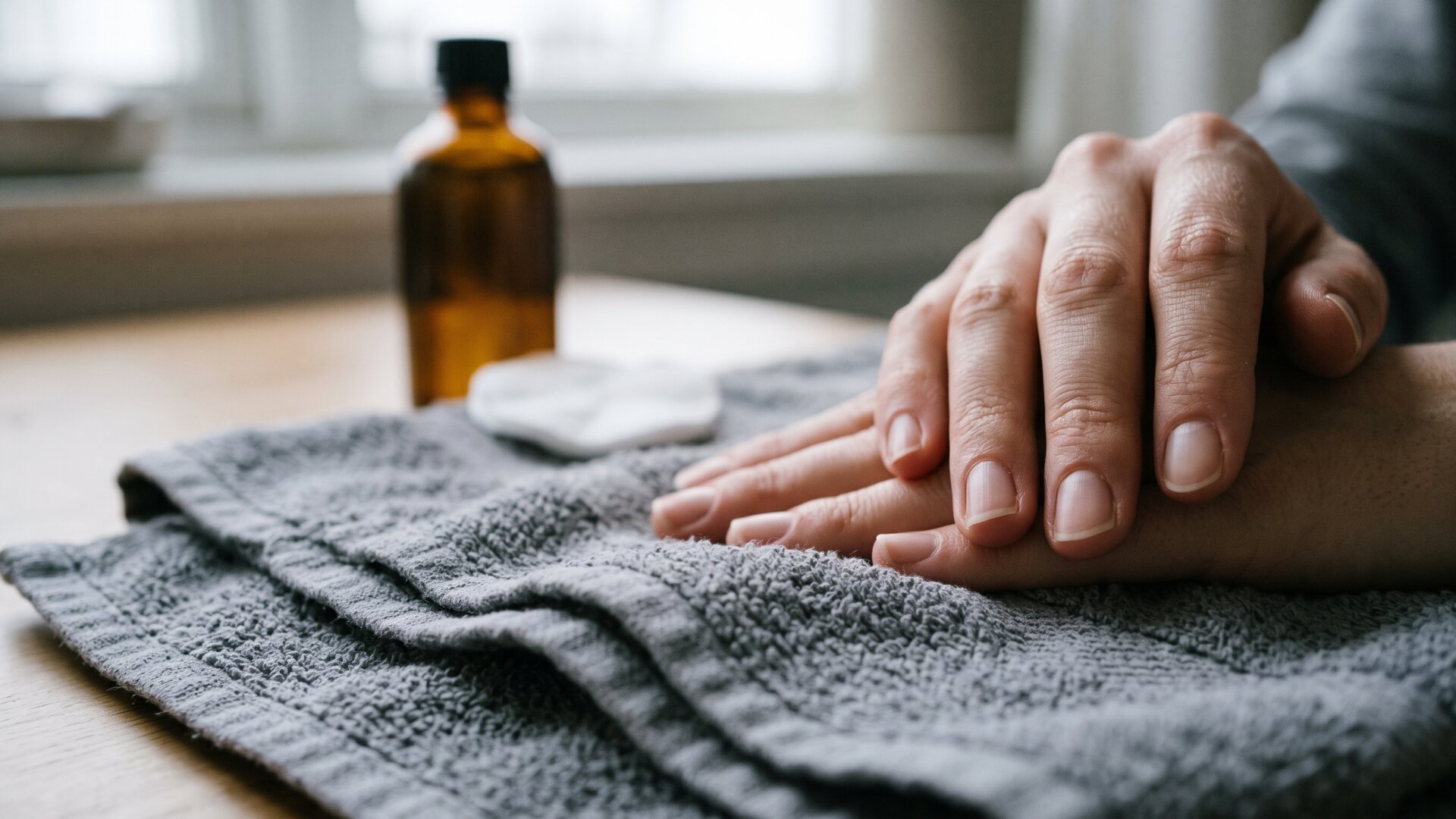
Skip polish and artificial nails when the nail is already in trouble: a red or swollen cuticle, a crack, brittleness that splits, a color change, or a fungal infection. The Wexner guidance makes the point in one image. Painting over damage puts a roof over bacteria that go on multiplying underneath. Discoloration and thickening need a name before they need a color. A dermatologist or podiatrist can separate a fungal infection from a bruise or an old injury, and the treatments for those are nothing alike. Three coats of opaque lacquer take away the only evidence either of you has. The break that does help has nothing to do with air and everything to do with water.
A polish break is about moisture, not air
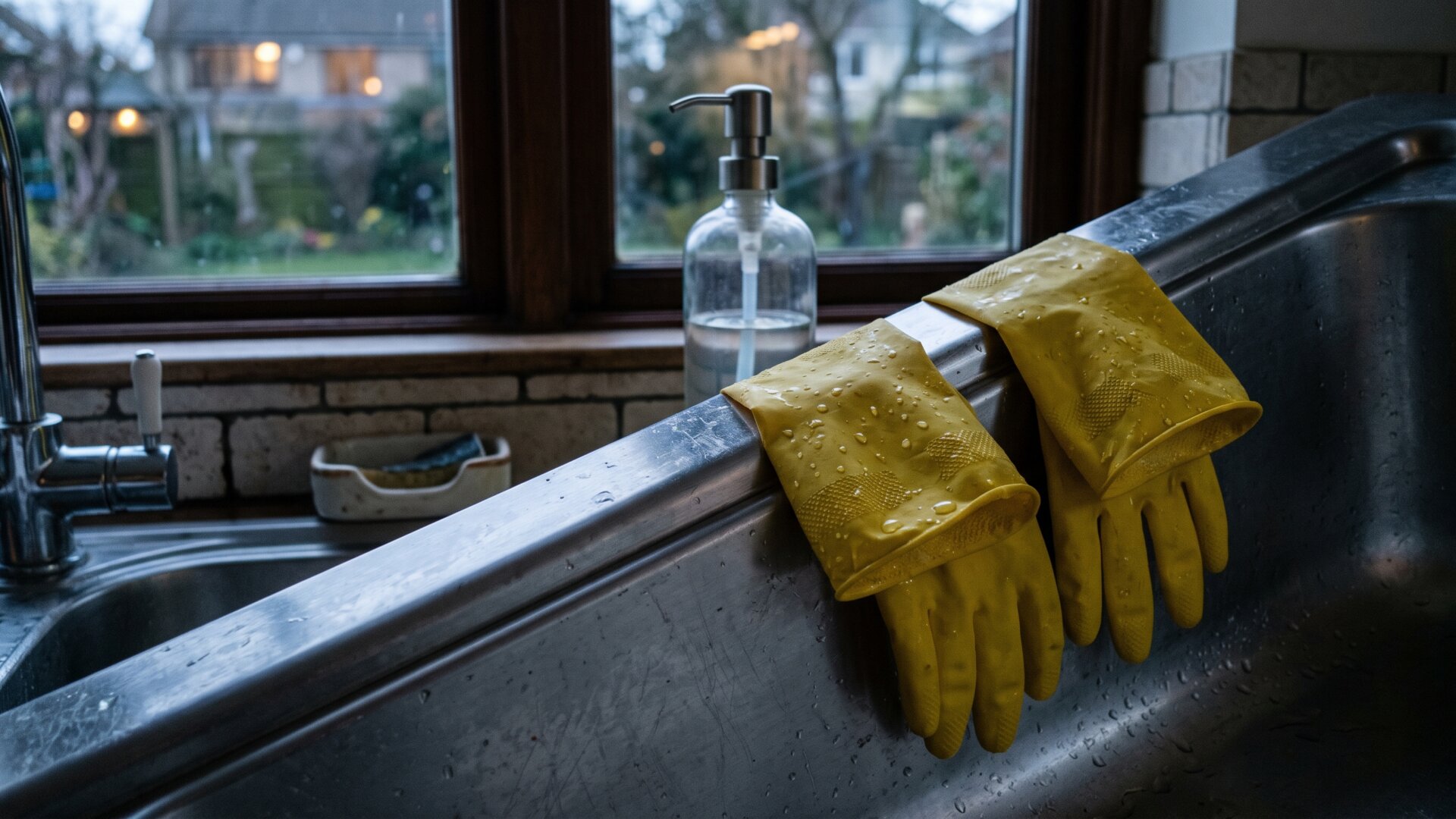
If your nails split or peel, time without polish is still worth taking, just for a different reason. Bare nails let you work oil and lotion into the plate and the skin around it, and the American Academy of Dermatology suggests the same kind of polish holiday after gels, so a stressed nail can recover. Water does more damage than most people credit it with. The plate swells when wet and contracts as it dries, and hands that go in and out of a sink all day run that cycle over and over, which is what gloves prevent. Harsh soap strips the same oils, and some medications change how nails grow. Four ingredients on the back of the bottle are worth scanning for first.
What to look for on the back of the bottle
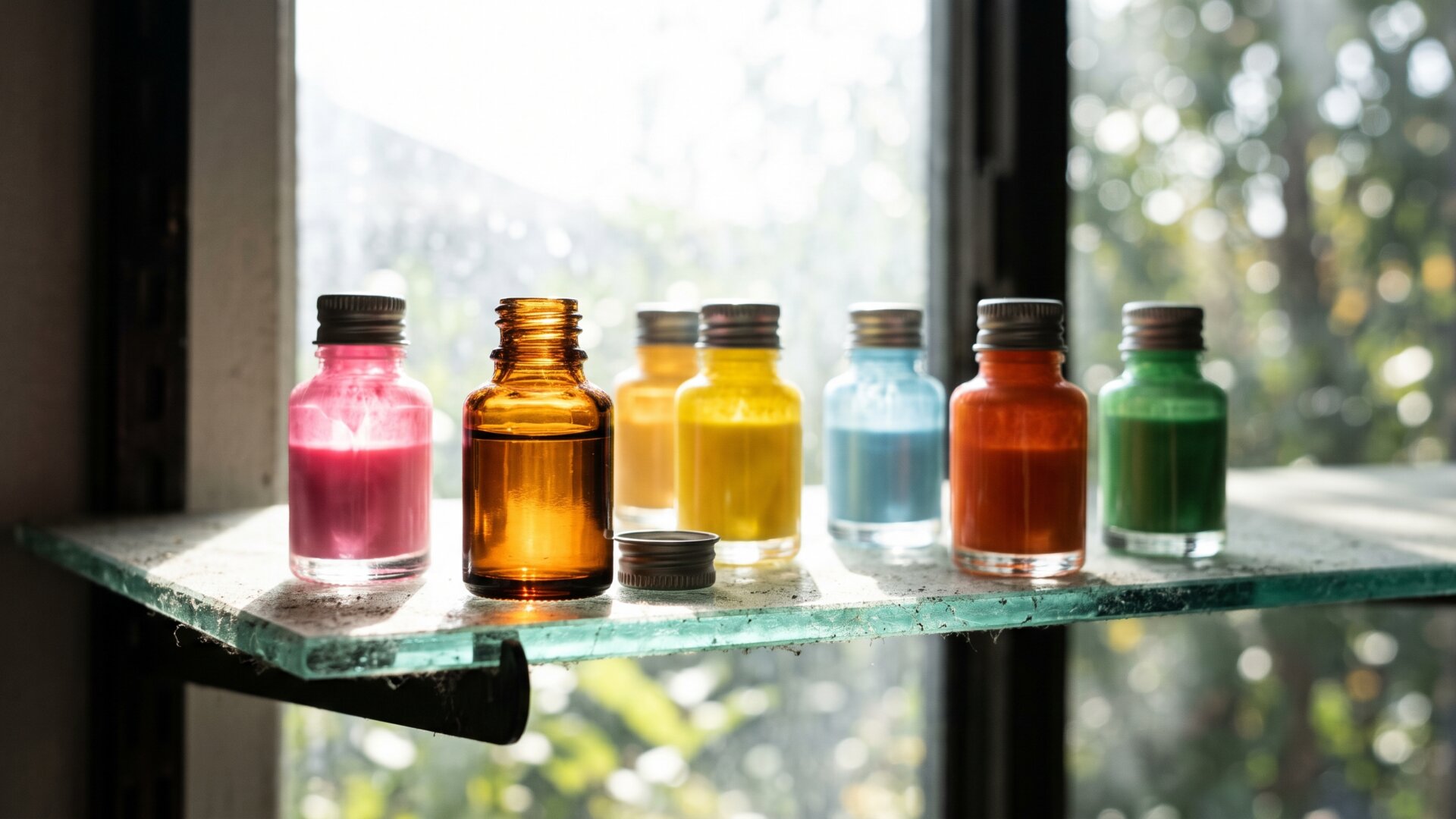
The Wexner guidance is to avoid harsh additives, naming formaldehyde, formaldehyde resin, toluene, phthalates and camphor. The first three carry an industry nickname, the toxic trio, which is why bottles now sell themselves as 3-free, 5-free or 10-free. Those claims are marketing, not a regulated standard. The number tells you how many ingredients a brand decided to leave out and nothing about what replaced them, so the ingredient list on the back is still the part worth reading. One chemical that almost never appears in those counts causes most of the allergic reactions, and it is sitting in the gel bottle.
Gel’s allergy problem starts before the lamp
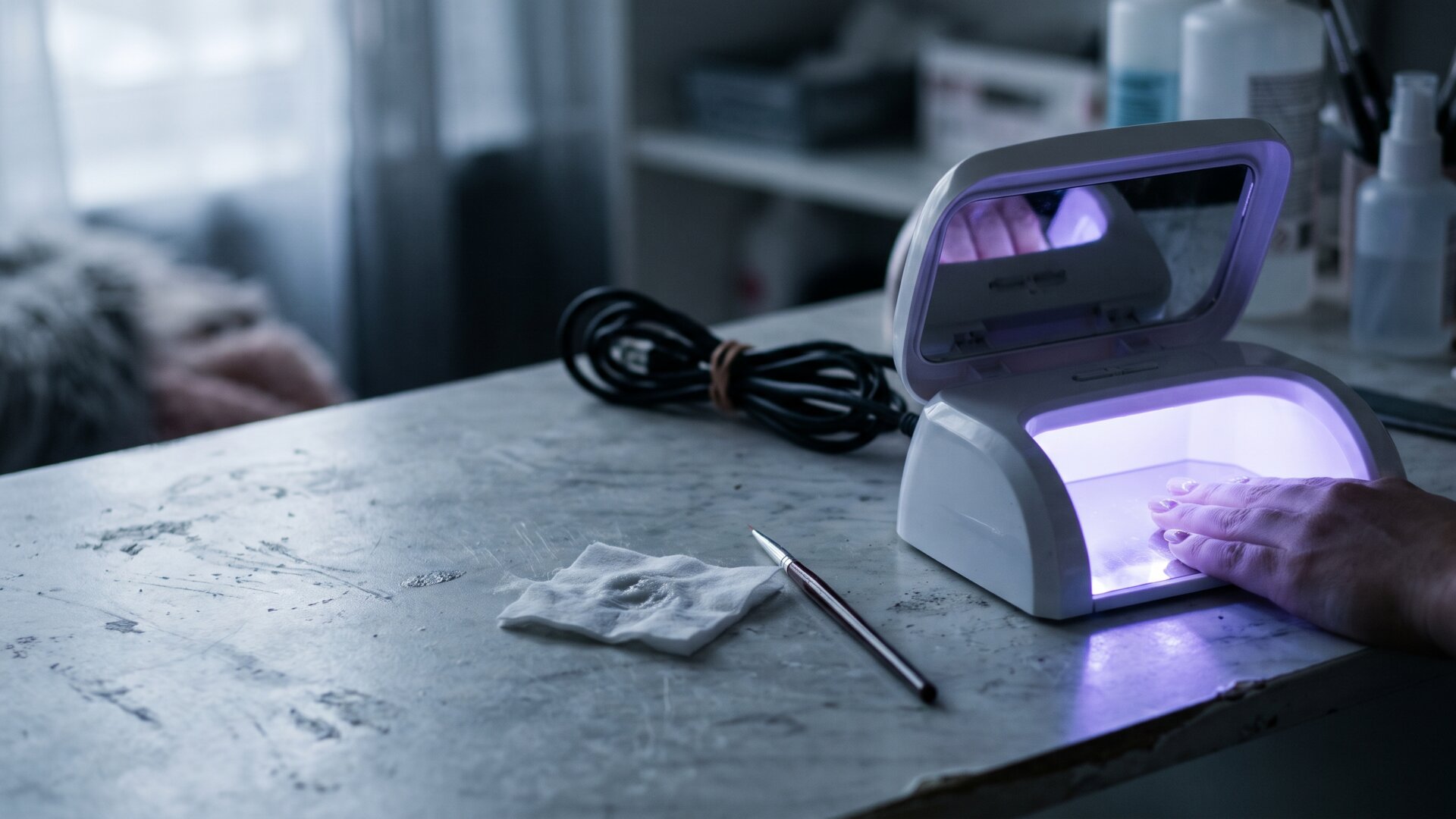
Gel and shellac harden under a UV or LED lamp, and the problem is the liquid before it sets. HEMA, a methacrylate used in many gel formulas, is the acrylate most often flagged in dermatology patch testing. Uncured gel that touches skin at the cuticle or sidewall can sensitize you, and the reaction is delayed, usually turning up a day or two after the appointment. It often does not look like a nail problem at all. Swollen, itchy eyelids and a rash along the jaw are common, because hands touch faces. The nail can also lift off its bed, a separation called onycholysis. Once set, the allergy is permanent. The next product on the menu has a different problem, and part of it is the jar.
Dip powder brings glue and a shared jar
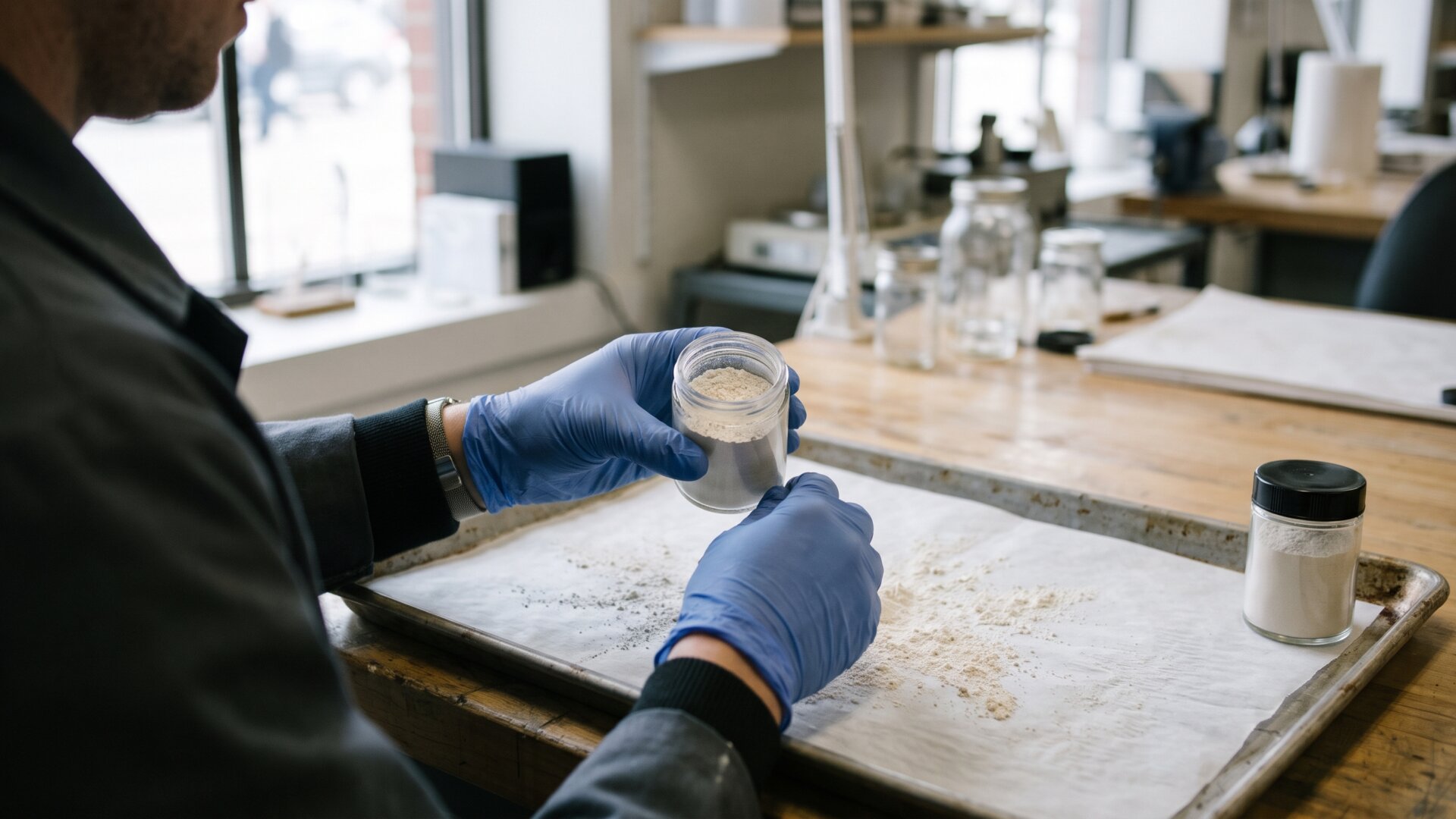
Dip systems stick powder to the nail with cyanoacrylate adhesives, the same family as super glue, and those adhesives can trigger an allergic reaction. Some powders also contain formaldehyde, which is why the Wexner guidance suggests asking to see the ingredients on the container before anything goes on your hands. Then there is the container itself. Pushing a client’s finger into a shared pot, then dipping again for a second coat, carries whatever is on one nail into the powder the next client uses. Salons that pour powder over the nail, or open a single-use pot per client, avoid that entirely. Acrylics skip the jar and trade it for a bond stronger than the one holding your nail down.
Acrylics are harsher on the nail underneath
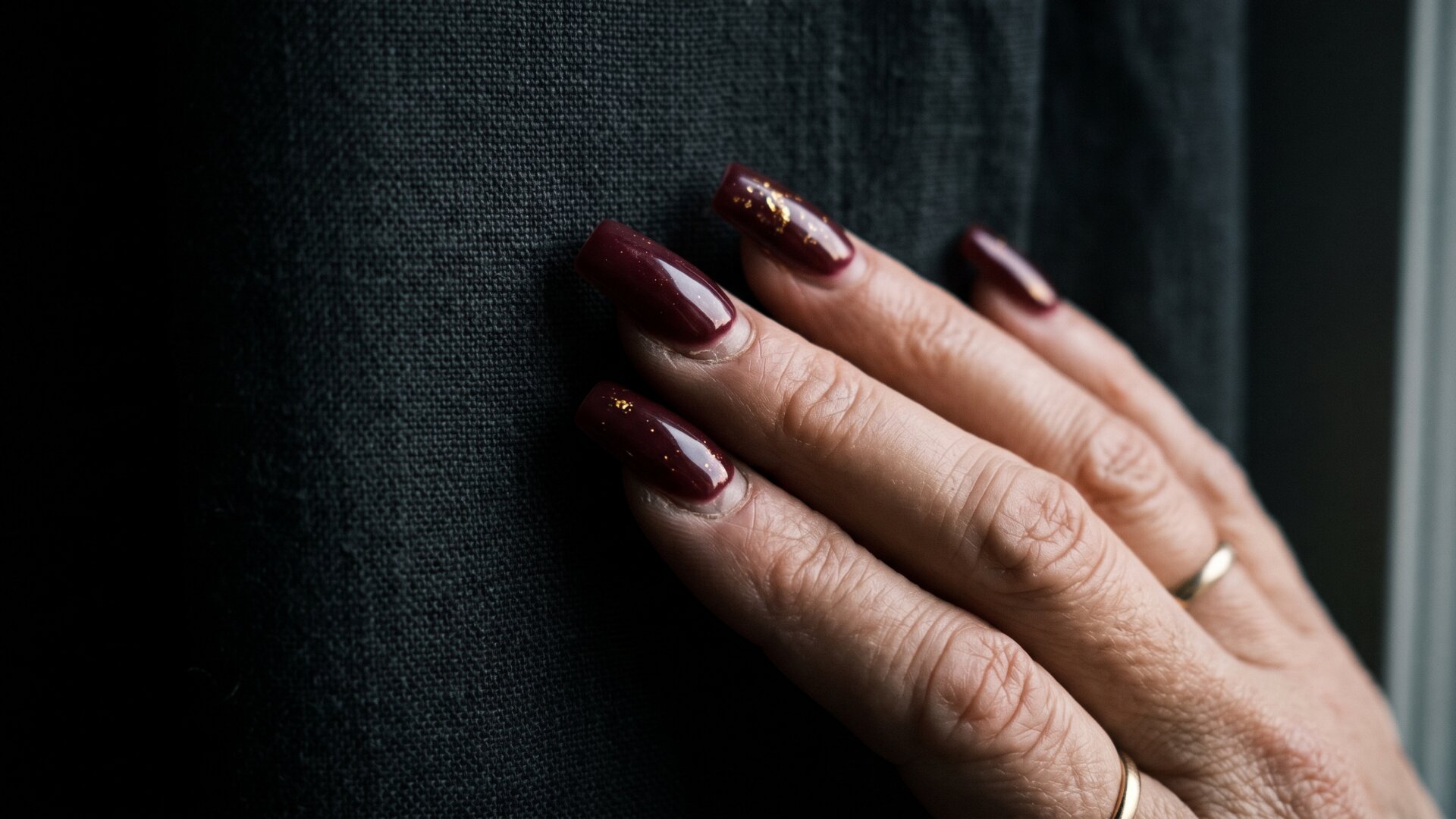
Durability is the selling point and also the trouble. An acrylic can grip the nail plate more tightly than the plate is anchored to the bed underneath, so a knock that would have chipped polish instead pries the whole nail up. In people wearing long acrylics, dermatology texts describe that traumatic lifting as very common. The Wexner guidance is blunter still: acrylics are harsher and more likely to cause damage, though much depends on how they are applied and kept up. Every lifted edge leaves a gap, and a gap that stays damp is where infection gets started. The most documented salon infections on record, though, never touched a hand.
The pedicure basin has an outbreak on record
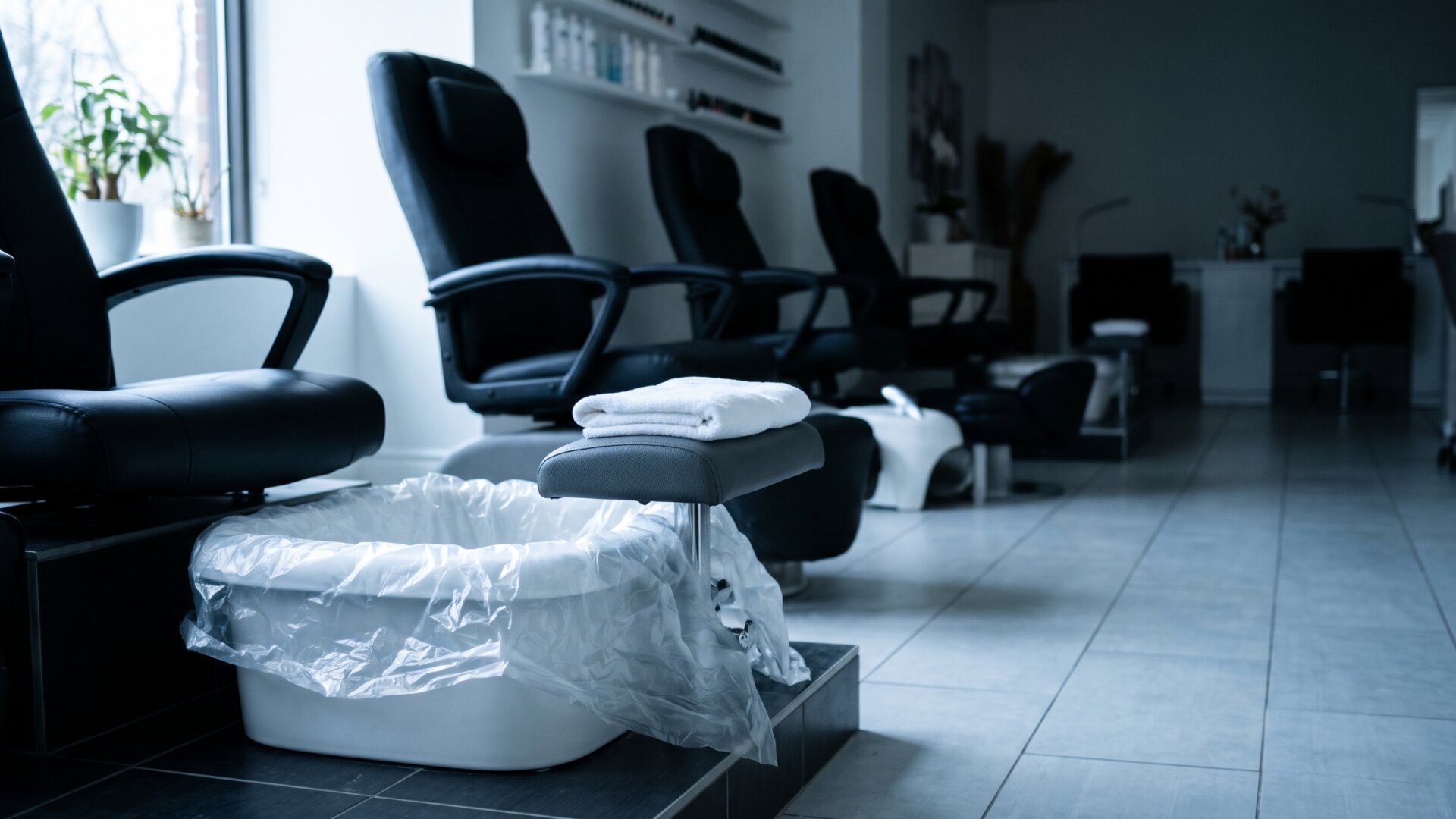
In 2000, at least 110 customers of a single Watsonville, California salon turned up with boils and ulcers on their lower legs. Investigators tied the bacterium, Mycobacterium fortuitum, to debris trapped behind the recirculation screens of the whirlpool footbaths, and the outbreak was reported in the New England Journal of Medicine in 2002. The follow-up survey was the uncomfortable part. Swabs from 30 footbaths across 18 California salons found mycobacteria in 29 of them. Customers who had shaved their legs before the pedicure ran a higher risk, which is why the Wexner guidance puts 24 hours between any hair removal and an appointment. A sealed pouch and a 10 minute wait are what the careful version looks like.
What a careful salon looks like from the chair
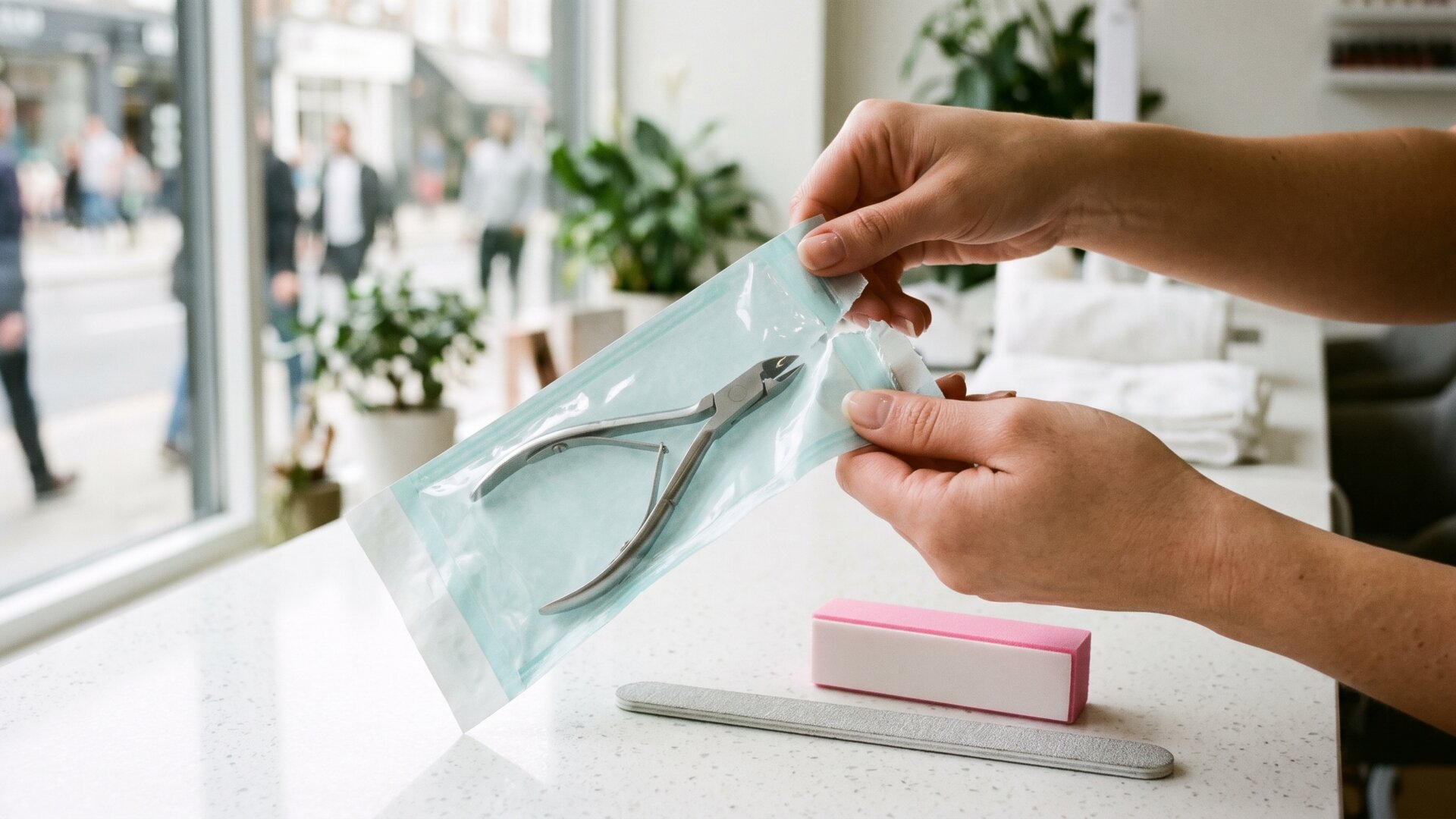
Metal tools should come out of a sealed, sterilized pouch opened in front of you. Files, buffers, pumice stones and toe separators are single-use, binned after one client rather than wiped and slid back into a drawer. Basins need washing, then disinfectant left to sit at least 10 minutes before the next pair of feet, and pipeless tubs or disposable liners cut the risk further. Your own clippers and files remove the question. Some people carry more risk than others. The Wexner guidance flags open wounds, poor circulation, diabetes, autoimmune and inflammatory conditions, immunodeficiency and cancer treatment as reasons to speak with your own doctor first. If infection has already settled into a nail, clearing it is measured in months.
Nail fungus takes months and often comes back
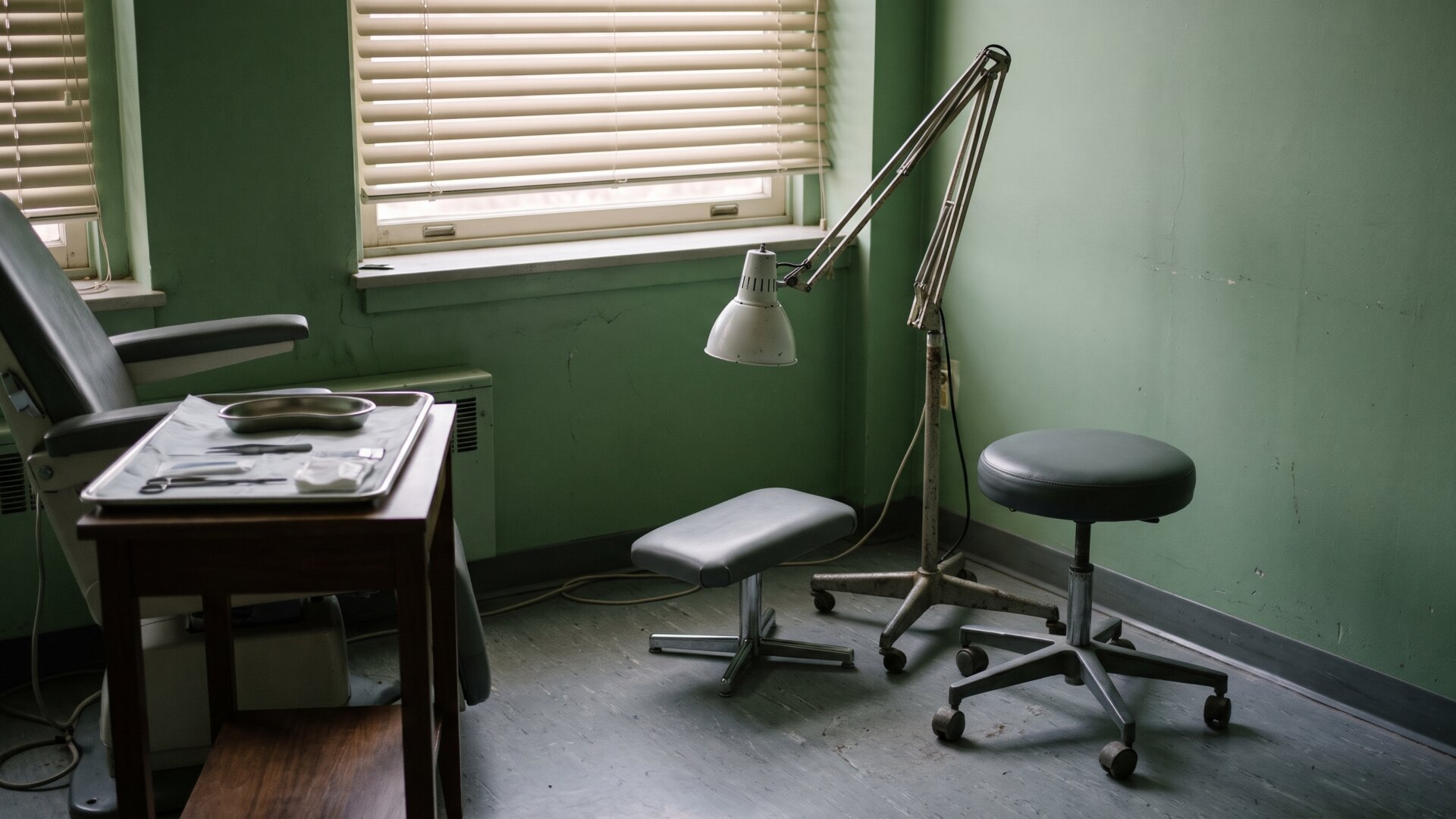
Fungus is the hardest of these to undo. Toenails are about seven times more likely to be infected than fingernails, and oral terbinafine, the standard prescription, clears the fungus from roughly 70 percent of treated toenails, while fully normal looking nails are closer to 38 percent. For plain brittleness, one trial gets cited constantly. Twenty-five women took 2.5 grams of bioactive collagen peptides daily for 24 weeks, and the 2017 report in the Journal of Cosmetic Dermatology recorded nail growth up about 12 percent and broken nails down 42 percent. It was open label with no placebo group, so it is one promising study rather than proof. Either way a fingernail takes three to six months to grow out, which is the clock any change is judged on.