


Products are selected by our editors, we may earn commission from links on this page.

If you’re a salaried worker putting in more than 40 hours a week and seeing nothing extra in your paycheck for it, a new piece of legislation is directly aimed at changing that. The Restoring Overtime Pay Act of 2026, introduced by Independent Senator Bernie Sanders and Democratic Representative Mark Takano, would raise the salary threshold for overtime pay and extend protections to tens of millions of workers currently excluded. The stakes are real, and the numbers are striking.
Under current law, just 8% of full-time salaried workers qualify for overtime pay based on their salaries alone. That figure was nearly 63% in 1975. Decades of inaction have left the overtime threshold so low that it barely covers entry-level wages, effectively letting employers classify millions of middle-income workers as exempt. The bill targets that gap directly, proposing a sweeping overhaul that would rewrite the rules for a significant portion of the American workforce.
The legislation would gradually increase the overtime salary threshold from $35,568 today to more than $89,000 by 2030, expanding or strengthening overtime protections for up to 29.3 million workers. That shift would push the share of salaried workers eligible for overtime from 8% to 55%. For millions of households already stretched thin, that could mean hundreds or thousands of dollars more each year, depending on how many extra hours they log.
This article was created with the assistance of AI and reviewed by our editorial team for accuracy and clarity.
The Rule That Was Reversed, and the Bill That Pushes Back

The proposal lands at a charged political moment. The bill follows President Trump’s rescission of a Biden-era rule that would have expanded overtime pay for more than 4 million workers. That rollback reset the overtime threshold to $684 per week, undoing protections that had only recently taken effect. For workers who had briefly qualified for overtime under the Biden rule, the reversal was an abrupt step backward.
Michael Ryan, a finance expert and founder of MichaelRyanMoney.com, told Newsweek that the Trump administration’s move was “effectively un-protecting millions of workers who had gained overtime eligibility as recently as January 2025.” Ryan described the Sanders bill as going “dramatically further in the other direction,” raising the threshold to approximately $98,000 by 2029 and automatically indexing it to the 55th percentile of full-time salaried wages going forward.
According to Ryan, the bill represents “a fundamental restructuring of who is considered a ‘manager’ exempt from overtime in America.” That framing matters. For years, employers have relied on the broad “executive, administrative, or professional” exemption to avoid paying overtime to workers who have supervisory titles but still earn modest wages. Raising the salary threshold would force a reclassification of many of those workers, making the financial bar for exempt status significantly harder to clear.
“Americans Are Working More for Less”
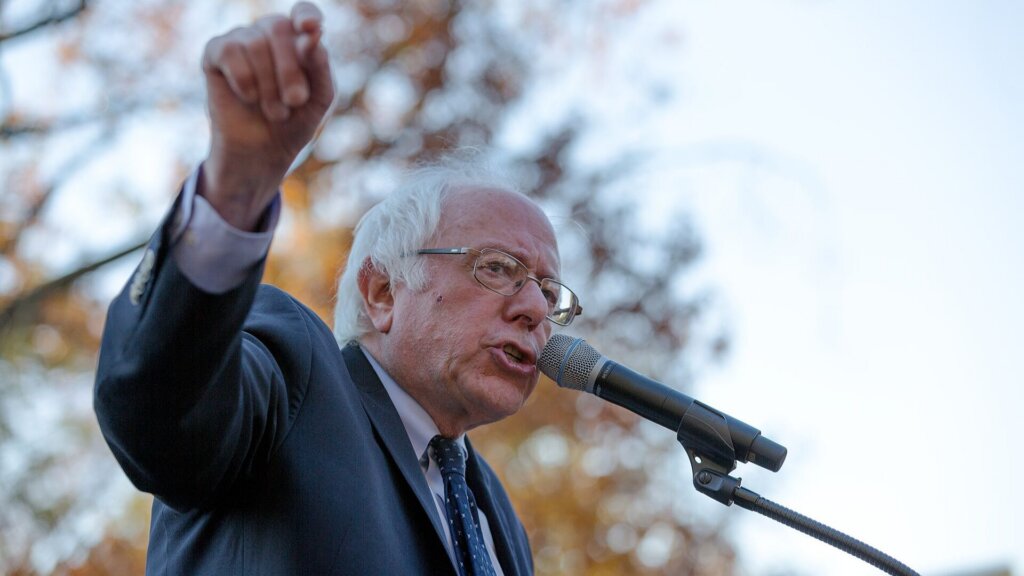
For workers earning between $35,000 and $90,000 a year, the practical impact of this bill would be direct. Under current law, a salaried employee earning $50,000 annually receives no extra pay for working 50 or 60 hours a week. If the bill passed, that same worker would be entitled to time-and-a-half for every hour beyond 40. Depending on their schedule, that could add up to significant additional income over the course of a year.
“At a time of massive income and wealth inequality, when over 60% of Americans are living paycheck to paycheck, it is beyond unacceptable that President Trump is denying overtime pay to millions of workers who desperately need it to keep up with the outrageously high cost of living,” Senator Sanders said in a statement. “We should be making it easier, not harder, for Americans who work more than 40 hours a week to get the time-and-a-half pay that they have earned and deserve.”
Representative Takano was equally direct. “Americans are working more for less,” Takano said. “Expanding the overtime threshold for salaried employees is the best way to ensure that families can survive the cost-of-living crisis caused by Donald Trump. I am proud to introduce this bill to help make sure over 29 million workers get paid fairly.” The workers who would benefit most are those in retail, hospitality, healthcare, and office and administrative roles, particularly frontline supervisors and lower-level managers who carry significant responsibilities but earn middle-range salaries.
A Strong Signal in a Divided Congress

The bill has drawn support from major labor organizations, including the AFL-CIO, the United Auto Workers, and the Service Employees International Union. But institutional backing does not guarantee legislative momentum. Kevin Thompson, CEO of 9i Capital Group, said that the bill “will likely not progress,” adding, “I don’t believe it has much of a chance in the current political environment with Republicans controlling both the House and Senate.”
The bill also enters a debate shaped by a competing Republican proposal. The “No Tax on Overtime” measure would eliminate federal income tax on overtime earnings, a benefit that sounds appealing but carries a significant catch. Democrats have argued the policy delivers little to workers who do not qualify for overtime at all. Thompson told Newsweek that raising the eligibility threshold would ensure more workers actually receive overtime compensation, or push employers to raise salaries high enough to justify exempt status under the new rules.
Michael Ryan told Newsweek that even without a realistic path to passage, the bill serves as “an important stake in the ground on a labor issue that is genuinely bipartisan at the voter level.” Polling consistently shows broad public support for stronger overtime protections, cutting across party lines. The deeper question is whether that voter sentiment will eventually reach the legislative floor, and whether the workers waiting on bigger paychecks will see that happen before the cost of living outpaces their wages entirely.