

Products are selected by our editors, we may earn commission from links on this page.
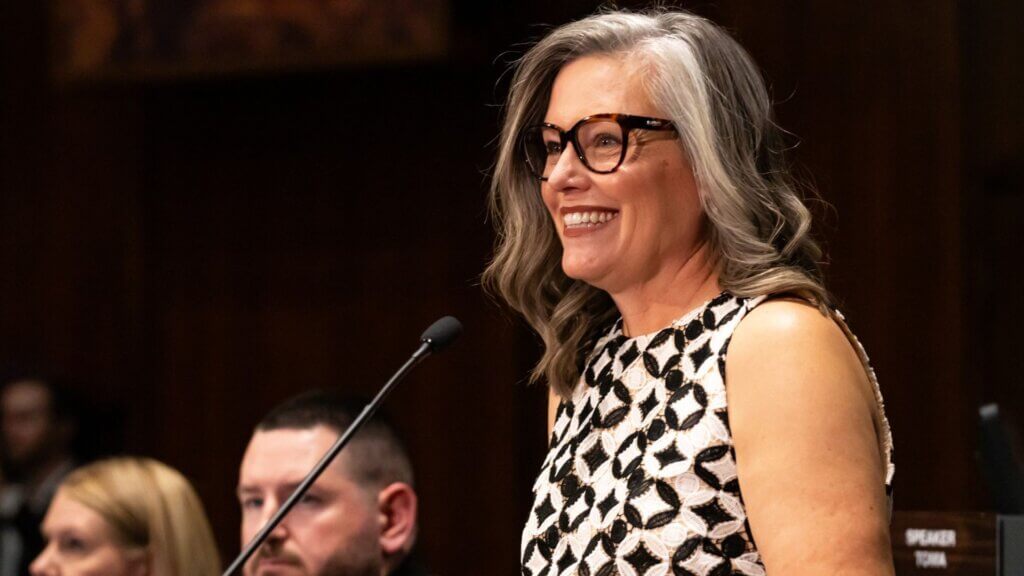
Governor Katie Hobbs announced that Arizona has erased $642 million in medical debt for more than 485,000 residents. The relief comes through a partnership between the state and Undue Medical Debt, a national nonprofit. Using $10 million in American Rescue Plan COVID relief funds, the organization purchased debt from hospitals and collection agencies at drastically reduced rates. This program aims to restore economic stability for working-class families burdened by healthcare costs.
The initiative targets Arizonans whose circumstances made medical debt unavoidable. Many faced impossible choices between paying bills and affording basic necessities like food and utilities. Medical debt forces families into financial instability while damaging credit scores and limiting job opportunities. Governor Hobbs emphasized that residents shouldn’t suffer from a system that demands ever-increasing amounts for life-saving care. The program provides relief to those earning below 400% of the federal poverty level or owing at least 5% of annual income in medical bills.
Recipients receive letters from Undue Medical Debt notifying them that their obligations have been eliminated and that their credit reports have been updated. The nonprofit’s model leverages purchasing power by buying debt portfolios for pennies on the dollar. One dollar donated cancels an average of $100 in medical debt. There’s no application process—eligible residents are identified through credit reporting data matched with medical provider records. This approach ensures those most vulnerable receive help without navigating bureaucratic obstacles.
How the Program Works Behind the Scenes

Undue Medical Debt has operated nationwide since 2014, using government funds and private donations to acquire debt portfolios from healthcare providers. The organization purchases debt that’s reached the point where creditors accept minimal payment to close accounts. This discounted acquisition allows limited resources to provide maximum relief. Arizona wasn’t the first state to implement such a program—similar initiatives exist in Delaware, Connecticut, Illinois, and Los Angeles County.
The charity targets specific populations based on financial vulnerability. Families earning up to $128,600 annually for a household of four qualify under the income threshold. The program also helps higher earners whose medical debt exceeds 5% of annual income, recognizing that catastrophic healthcare costs can overwhelm even middle-class budgets. Undue Medical Debt works with credit reporting agencies to identify eligible individuals, then cross-references this data with medical providers holding past-due accounts.
Once debts are purchased and forgiven, recipients receive official notification in branded envelopes. The letters inform people their financial burden has been lifted and negative credit marks removed. Importantly, forgiven medical debt through this program doesn’t count as taxable income. Courtney Story, the nonprofit’s vice president of government initiatives, explained that because the relief comes from a disinterested third party—the nonprofit and government—tax implications don’t apply. This ensures recipients get clean financial slates without unexpected tax bills.
Real People, Real Relief

Personal testimonials reveal the program’s profound impact on Arizona families. One Sierra Vista resident with arthritis and gout attacks frequently visited emergency rooms, accumulating debilitating debt. After receiving the notification letter, they expressed genuine happiness and gratitude at having the burden lifted. Another Phoenix resident called the relief life-changing, noting the debt stemmed from surgery performed shortly before becoming pregnant. She thanked Governor Hobbs for providing relief that allowed her to focus on her new child.
A Scottsdale resident named Charity described receiving the letter as an unexpected blessing during her father’s hospice care. The timing provided emotional and financial relief when her family faced overwhelming circumstances. Jordan from Surprise, a self-employed father of four, explained how years of inadequate health insurance left his family drowning in debt. The relief helped his family get back on track after struggling with minimal coverage despite paying high premiums.
These stories illustrate medical debt’s cascading effects beyond financial strain. The burden prevents people from seeking necessary care, damages mental health, and disrupts family stability. Governor Hobbs noted that residents often postpone critical healthcare to avoid worsening debt. By eliminating these obligations, the program empowers people to re-engage with the healthcare system without fear. The initiative aims to break cycles of debt-induced despair that trap working families across Arizona.
Looking Ahead to Greater Relief
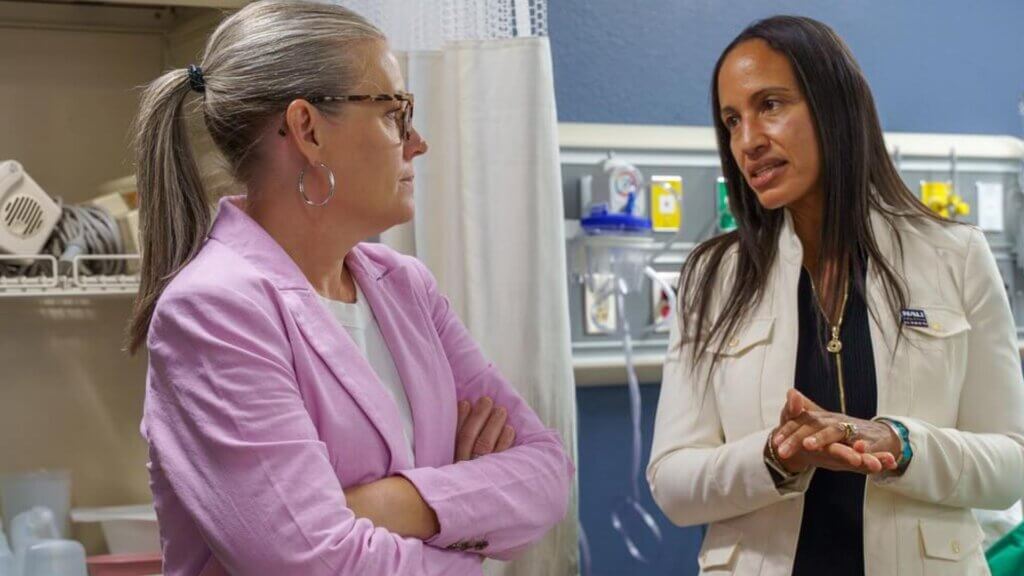
Governor Hobbs launched this initiative in 2024 with an ambitious goal: erase up to $2 billion in medical debt for one million Arizonans. Prior to the program, Arizona carried an estimated $2.4 billion in outstanding medical debt. The latest round of relief, announced in December 2025, eliminates over $200 million for approximately 141,000 residents. Allison Sesso, CEO of Undue Medical Debt, expressed hope that beneficiaries will feel empowered to access necessary healthcare without financial barriers.
The program’s structure raised constitutional questions, as Arizona law prohibits state donations to individuals or corporations. Governor Hobbs assured constituents her administration thoroughly vetted the program’s legality before implementation. She pointed to the precedent set by other states using American Rescue Plan funds similarly. The deal requires beneficiaries to understand the relief comes through state action, with marketing materials including gubernatorial office logos and approval before publication.
As debt relief letters continue arriving in Arizona mailboxes, the program demonstrates the government’s capacity to provide meaningful economic relief. Working families receive not just financial reprieve but restored dignity and opportunity. The initiative addresses systemic healthcare affordability issues while offering immediate help to vulnerable residents. Governor Hobbs encouraged Arizonans receiving letters to open them, promising that relief awaits inside. With hundreds of thousands already helped, the program continues working toward its billion-dollar goal.