


Products are selected by our editors, we may earn commission from links on this page.

The weight-loss drug market may soon see a breakthrough. Researchers are developing a new class of medications designed to match the effectiveness of existing GLP-1 treatments like Ozempic and Wegovy, but with fewer side effects. Early studies suggest these new drugs, including “tetra-agonists” and NK2R-selective agonists, could change the future of obesity treatment.
How GLP-1 Drugs Work
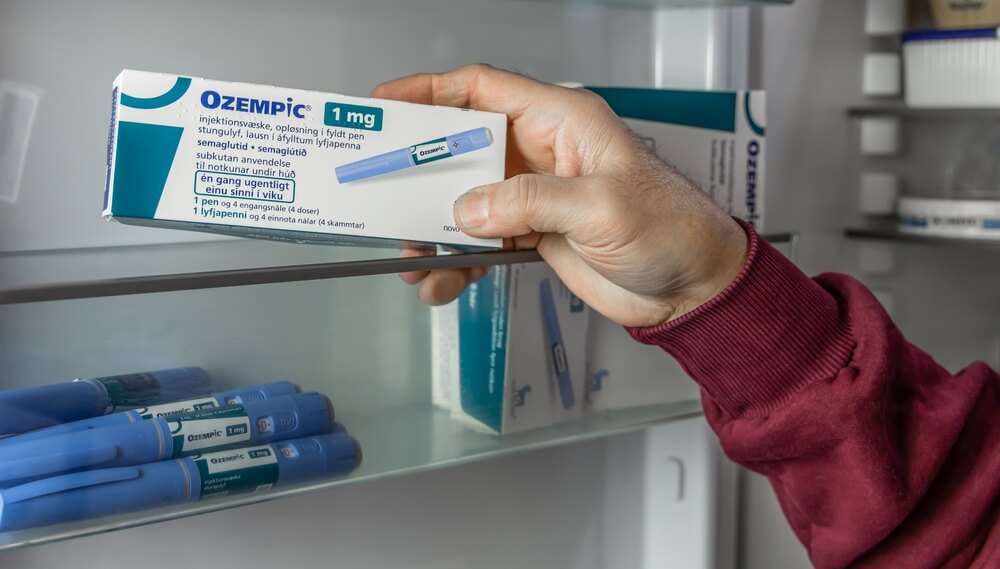
Current treatments like GLP-1 agonists suppress appetite and slow digestion, helping patients achieve significant weight loss. Drugs such as semaglutide (Ozempic, Wegovy) and tirzepatide (Mounjaro, Zepbound) have transformed obesity management. But their success comes at a cost: many patients experience nausea, vomiting, or other gastrointestinal issues that cause some to stop treatment prematurely (Obesity Medicine Association).
The Tetra-Agonist Approach

One of the most promising new candidates is a tetra-agonist. Unlike GLP-1 drugs that target one or two hormones, this experimental drug activates four: GLP-1, GIP, glucagon, and peptide YY. Peptide YY, released after eating, reduces appetite and slows stomach emptying. Researchers hope this four-pronged effect will mimic bariatric surgery results, without surgery’s invasiveness or GLP-1’s harsh side effects.
Targeting Appetite With Peptide YY

The inclusion of peptide YY (PYY) is a breakthrough. PYY is a gut hormone that naturally signals fullness. By adding it to the hormone mix, scientists aim to curb appetite more effectively while reducing nausea. Animal studies show tetra-agonists may promote weight loss while preserving lean muscle mass, a challenge with many GLP-1-based treatments (Diabetes Journal).
NK2R Agonists: A New Direction

Another drug class under study involves NK2R-selective agonists. These compounds reduce appetite while boosting energy expenditure. In early animal studies, they triggered weight loss without the muscle loss often linked to GLP-1s. If successful in human trials, NK2R drugs could become the first viable alternative for patients who cannot tolerate GLP-1 side effects (Yahoo News).
Orforglipron: An Oral Alternative
Pharmaceutical giant Eli Lilly is also developing orforglipron, an oral GLP-1 receptor agonist. Trials showed meaningful weight loss, but higher-than-expected discontinuation rates due to gastrointestinal issues like nausea and vomiting. Still, efforts in developing orforglipron further represent a step toward more convenient, non-injectable weight loss medications, signaling how the market is pushing for easier and more tolerable options (Eli Lilly).
Comparing New Drugs With Existing GLP-1s

Unlike current treatments, these new drugs are designed for greater tolerance. GLP-1s remain highly effective but are notorious for side effects. Tetra-agonists, NK2R agonists, and orforglipron aim to provide comparable or superior weight loss while improving patient comfort. If proven safe, these options could broaden access to obesity treatment for patients unable to tolerate existing drugs (Nature).
Market Impact on Current Leaders

The rise of next-generation drugs could challenge billion-dollar blockbusters like Ozempic and Wegovy. Analysts expect GLP-1 demand to remain strong, but newer, better-tolerated alternatives may erode their market share in the coming years. If tetra-agonists or NK2R drugs replicate early success in humans, the competition in the weight-loss drug market could intensify dramatically.
When Will They Be Available

Most of these drugs remain in pre-clinical or early-stage human trials. Experts predict it may take several years before tetra-agonists or NK2R drugs reach patients, pending successful safety and efficacy results. Still, the research signals a future where weight-loss treatment expands far beyond today’s GLP-1s, with more effective, safer, and diverse options on the horizon (Nature).
The Future of Weight-Loss Treatment

The surge in drug innovation highlights an urgent demand: treatments that combine powerful weight-loss results with better tolerance. As scientists explore new hormonal pathways and drug designs, the race is on to deliver safer alternatives. Whether through tetra-agonists, NK2R agonists, or oral GLP-1s, the next generation of medications may redefine what’s possible in managing obesity.