

Products are selected by our editors, we may earn commission from links on this page.
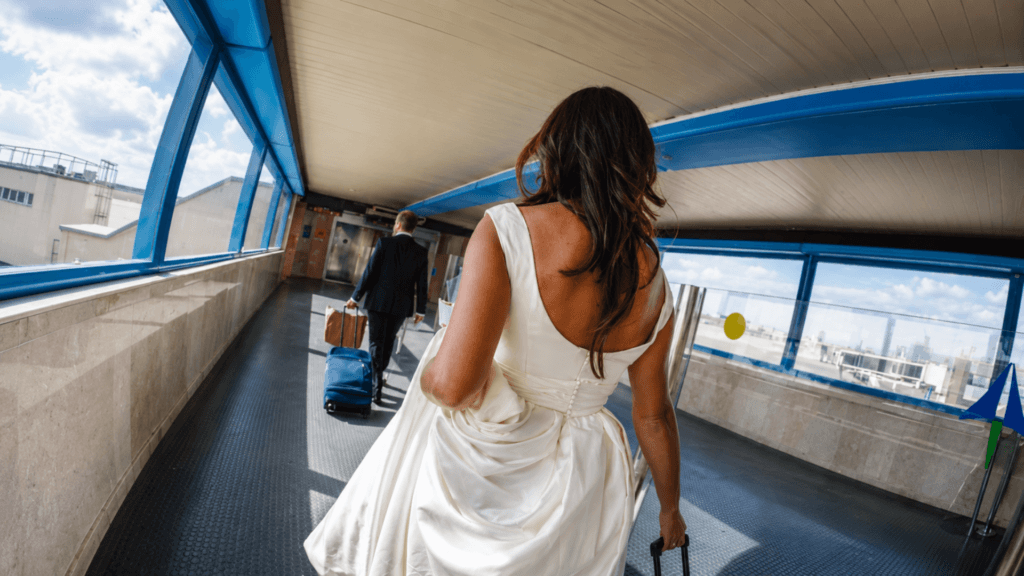
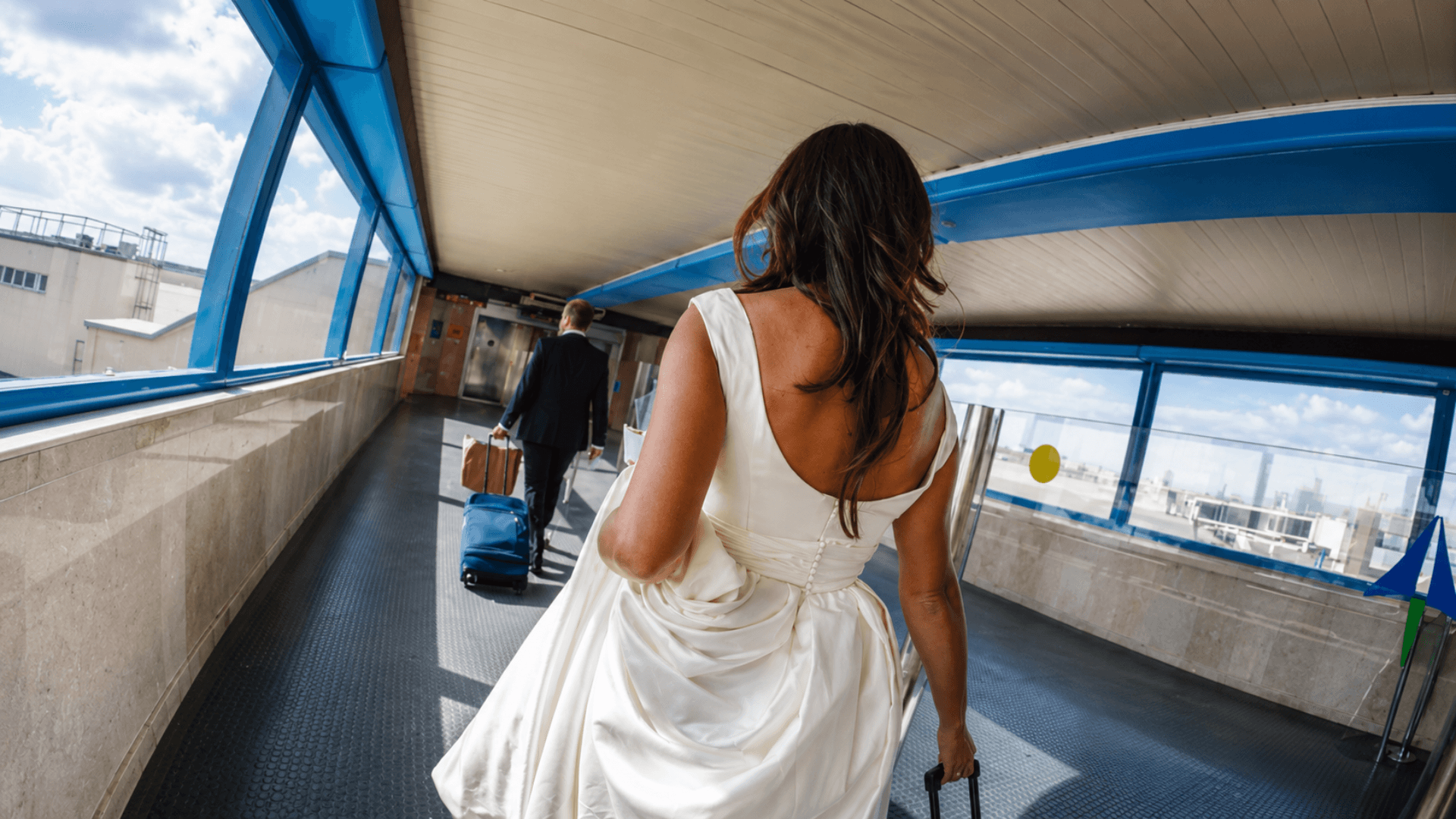
A confirmed seat should mean a guaranteed seat. That assumption fell apart for one bride at the airport on her way to her honeymoon. TikTok user rubynoren filmed herself explaining that American Airlines had oversold her flight, leaving her husband without the seat they had already paid for. She panned the camera to him sitting quietly, phone in hand, waiting to learn if he would even be allowed on the plane.
The video spread quickly, and other travelers rushed to share their own American Airlines stories. One commenter described flying with a cat and being moved to an emergency row, only to be told the cat could not sit there and be offered no real solution. These stories piled up fast, turning one couple’s bad morning into a wider conversation about how airlines treat passengers who already paid in full for their trip.
None of this happened by accident or mistake. Airlines sell more tickets than they have seats on purpose, betting that some people simply will not show up. That bet usually pays off for the airline. When it fails, a paying passenger like this bride’s husband ends up standing at the gate instead of boarding the plane he booked months earlier for his own honeymoon.
Overbooking Isn’t a Glitch. It’s the Business Model.
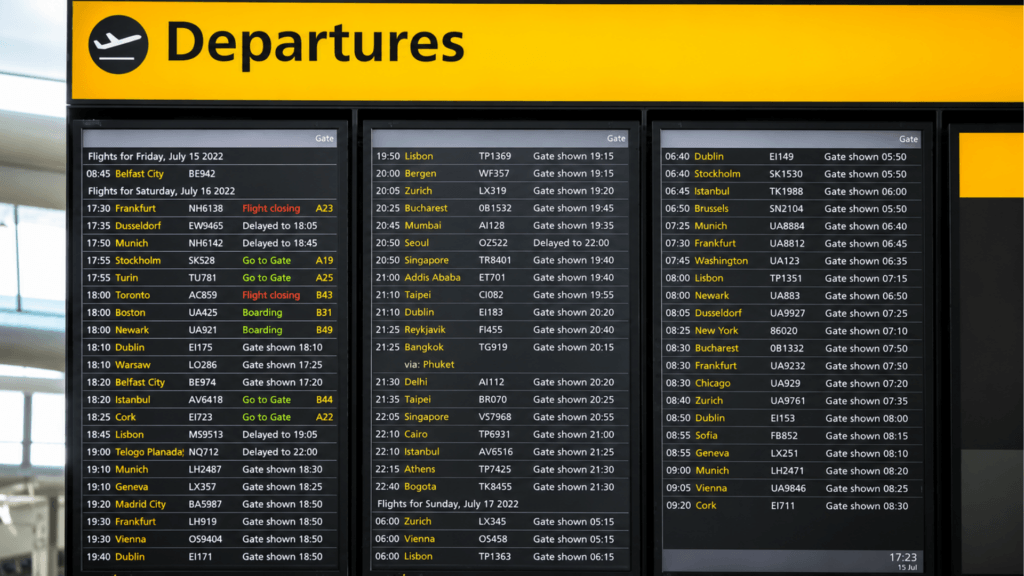
Overbooking a flight is not illegal, no matter how it feels to the person left behind. The U.S. Department of Transportation confirms that airlines are allowed to sell more seats than a plane holds, planning around the number of travelers who typically fail to show up. Most of the time the math works out fine. When it does not, someone with a paid ticket has to be removed, a process the government itself calls “bumping.”
Bumping is not random, at least on paper. According to the Department of Transportation, airlines are supposed to follow rules based on things like when a passenger checked in, what fare they paid, or their frequent flyer status. One commenter online rejected the fairness of the whole system anyway, writing, “Some sort of legislation needs to be passed about banning overselling airplane seats,” dismissing profit concerns for a company of that size.
A bumped passenger does not simply lose their seat and nothing else. Federal rules require the airline to explain that passenger’s rights on the spot, in writing, before they leave the counter. Refunds can apply, but only if specific boxes are checked: the traveler checked in on time, reached the gate on time, and held a confirmed reservation. Miss any one of those steps, and the options shrink fast.
‘Why Him?’ The Question Nobody at the Gate Answered
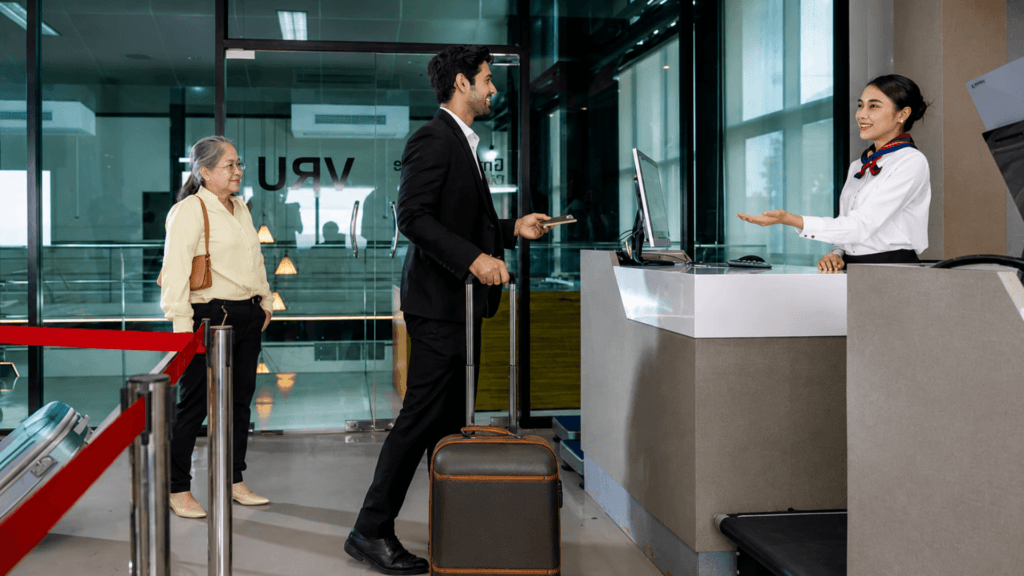
It is worth asking why this husband was the one chosen to lose his seat. Airlines are supposed to weigh factors like check-in time and fare class before bumping anyone, not simply pick whoever looks easiest to move. A newlywed traveling with his wife, both holding paid tickets for the same honeymoon flight, raises an obvious question about how that decision actually got made at the gate.
Compensation exists for bumped passengers, but it rarely erases what they actually lose. A missed connection can mean a missed hotel check-in, a missed excursion already paid for, or the first day of a honeymoon spent in an airport instead of on a beach. Vouchers and rebooked flights do not refund those hours. For this couple, the clock on their honeymoon was already running before they ever left the ground.
Rubynoren never claimed the airline broke the law, and it likely did not. That is exactly what made her video resonate. She was not describing a scandal or a scam. She was describing a completely legal, government-approved practice that still managed to leave her husband standing at a gate without the seat he paid for, on the one trip most people plan for years in advance.
A “Confirmed Seat” Comes With an Asterisk Nobody Reads
Legal and acceptable are not the same thing, even when airlines treat them that way. Overbooking exists because it protects airline revenue, not because it protects passengers. A traveler can do everything right, pay full price, check in early, and still lose their seat to a business decision made months before they ever packed a bag. The paperwork calls it routine. The passenger left behind rarely feels that way.
Every rule cited by the Department of Transportation exists to manage the fallout of overbooking, not to prevent it. Check-in windows, fare priority, frequent flyer status: these are instructions for deciding who gets bumped, not promises that no one will be. The entire system is built around the assumption that some paying customer, somewhere, will be sacrificed so the airline’s math keeps working in its favor.
The real story here is not one oversold flight or one upset bride online. It is that “confirmed seat” has quietly become a phrase with an asterisk attached, one airlines are legally allowed to break as long as they follow the paperwork afterward. A honeymoon does not come with a rebooking option. For this couple, the flight was overbooked long before they ever knew their marriage would begin at a gate counter.