

Products are selected by our editors, we may earn commission from links on this page.
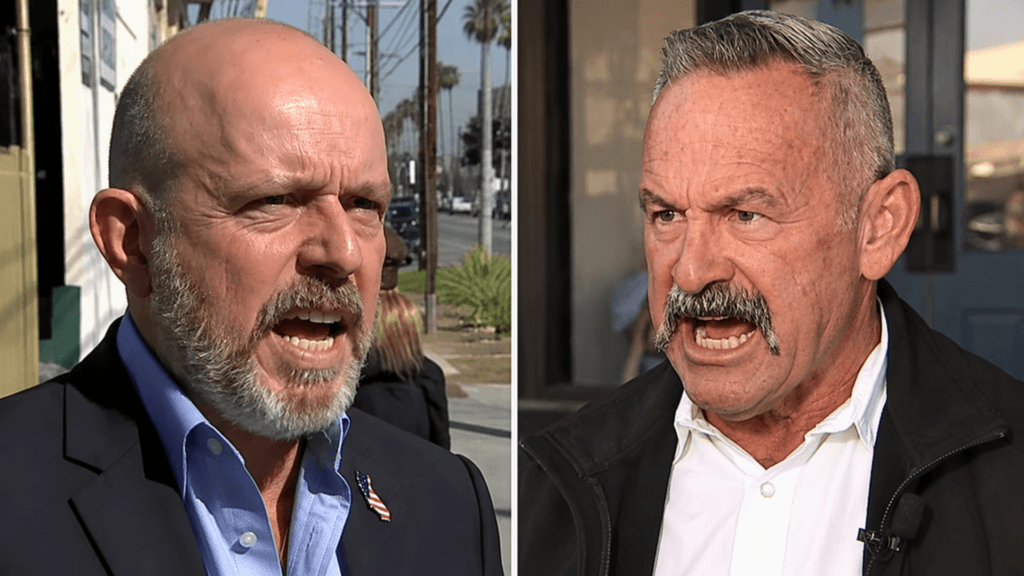
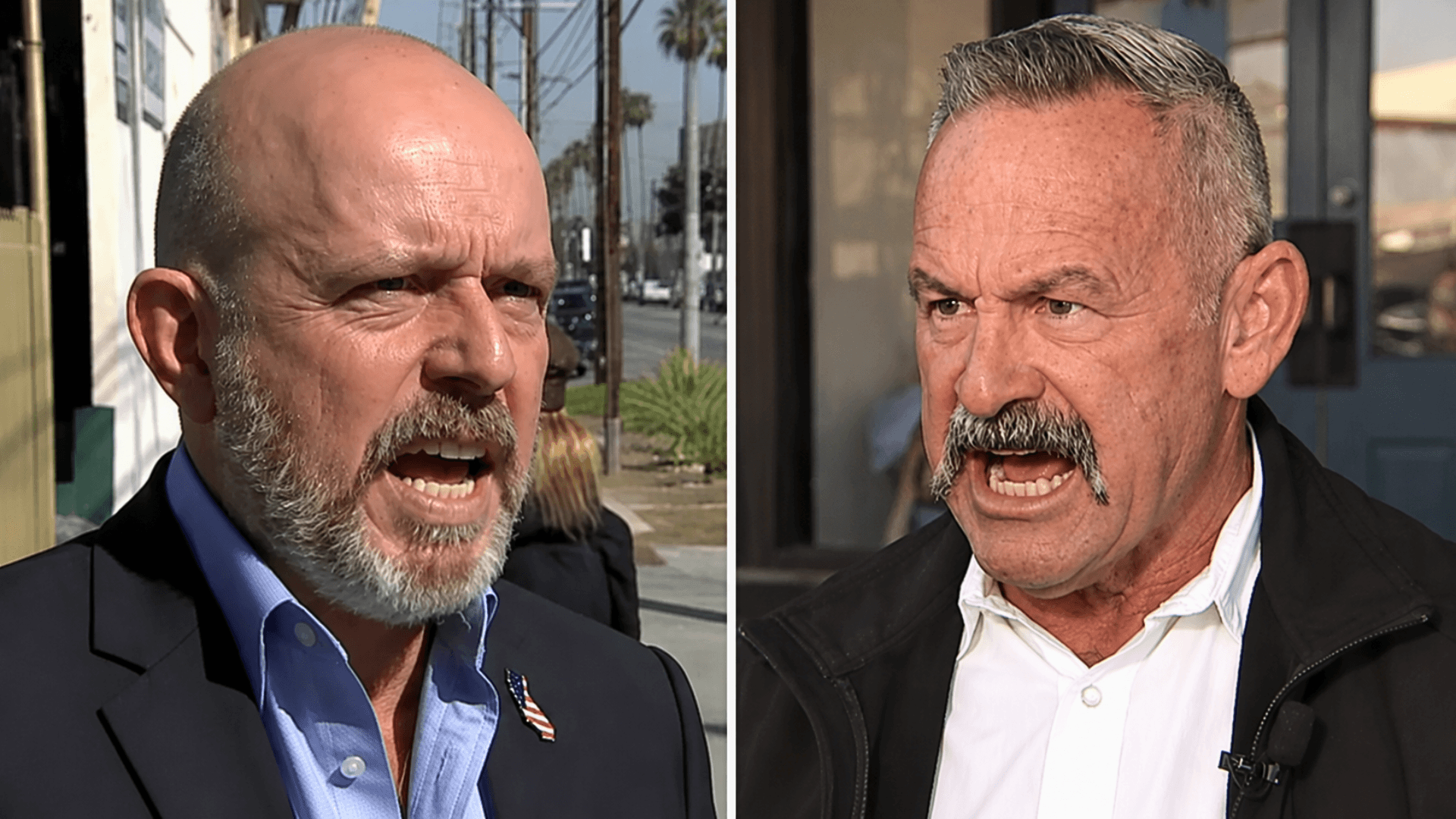
Steve Hilton, the former television host turned political candidate, took to his social media channels to deliver an ultimatum that could alter the governance of America’s most populous state. He issued a public demand for his main conservative rival, Riverside County Sheriff Chad Bianco, to immediately terminate his campaign. This calculated move aims to prevent a split inside the conservative electorate, an outcome that could completely lock the party out of the general election.
The high stakes political theater unfolds within California’s unique top two primary system, where all candidates compete on a single ballot regardless of political affiliation. Data compiled by public polling groups and local election monitors revealed a dangerous division among conservative voters. By compounding findings from the California Post and independent tracking agencies, analysts confirmed that Hilton has secured the dominant share of party support, yet Bianco retains a stubborn, highly energized base.
The scale of this intraparty deadlock is illuminated by the latest polling dataset, which outlines a razor thin margin at the top. Bianco currently commands ten percent of the active electorate, a figure representing roughly two million registered voters across the state. To visualize that scale, this single voting bloc is larger than the entire population of the state of West Virginia. If these citizens refuse to consolidate, the conservative party risks losing its presence at the top of the November ballot.
When Split Balances Empower Political Adversaries
The mechanics governing California jungle primaries dictate that only the top two finishers advance, meaning a fractured base guarantees defeat. Sourcing from state data repositories shows that when two candidates of the same party dilute their institutional strength, the opposition inevitably sweeps both available slots. This structural rule operates with mathematical certainty. In this specific race, the cumulative conservative vote surpasses thirty percent, a tally that exceeds the total individual support of the leading Democratic frontrunner.
In response to the mounting pressure, Hilton forcefully articulated the danger of this numerical reality to his followers online. He stated explicitly that the primary has narrowed to a tight battle among three individuals competing for just two available ballot positions. He warned that if Bianco remains, the state faces an absolute doomsday scenario. Institutional statements from Bianco’s camp, however, have resisted these calls, pointing to their own passionate base of support.
The structural consequences of this standoff extend far beyond the governor’s mansion, threatening down ballot races across every county. A complete lockout would suppress conservative voter turnout in November by an estimated fifteen percent, stripping critical numbers from local congressional districts. When ordinary citizens lack a top tier candidate representing their values, they stay home, directly impacting everyday household concerns like regional sales tax measures and municipal school bond votes.
How Low Turnout Sabotages Grassroots Policy Measures
The secondary complications of an all Democratic general election threaten to paralyze key conservative policy initiatives worldwide. Legislative tracking summaries indicate that without a strong conservative standard bearer, crucial initiatives like proposed voter identification mandates will lose vital media coverage and financial backing. The systemic problem transitions into institutional vulnerability, as donors redirect their capital away from the state entirely. Ultimately, this leaves local community organizers unable to fund basic neighborhood signature collection drives.
Regional party committees have attempted to intervene, initiating private mediation sessions to resolve the escalating public feud. However, these localized efforts have only intensified the friction, as grassroots networks rally fiercely around Bianco’s law and order platform. Internal memos show county leaders are terrified that a public fracture will permanently damage party unity for a generation. This local anxiety mirrors a broader national concern regarding the stability of minority party operations in progressive strongholds.
“Chad, the best time to drop out was two weeks ago. The second best is now… ONE MAN can stop the Doomsday Scenario! We could have Tom Steyer and Xavier Becerra in the general election. That is a disaster for California.”
Why Unchecked Party Dominance Reshapes Long Term Governance
The long term structural fallout of a dual Democrat runoff will fundamentally alter the state’s regulatory trajectory for decades. Budget estimates show a unified progressive administration could easily pass sweeping environmental mandates and progressive tax overhauls totaling billions of dollars. This financial volume represents an amount higher than the entire annual economic output of many small European nations. Such monumental fiscal shifts would eventually translate into significantly higher monthly utility bills for ordinary working families.
Historically, federal enforcement and state executive power have balanced each other out during periods of intense national polarization. Sourcing from political archives shows that California has historically relied on executive veto threats to moderate the most extreme legislative proposals. The current situation represents a total breakdown of that historical baseline. Without a competitive opposition party, the executive branch effectively becomes an echo chamber, removing the traditional checks and balances that protect political minorities.
The primary election looms just days away, leaving the party with zero time to mend its deep ideological fractures. Voters are already filling out their ballots, locking in a trajectory that cannot be reversed by late television advertisements. If the current trend holds, the conservative movement in the West faces an unprecedented institutional eclipse. Millions of citizens will enter the autumn booth finding themselves completely unrepresented at the very top of the ticket.