

Products are selected by our editors, we may earn commission from links on this page.
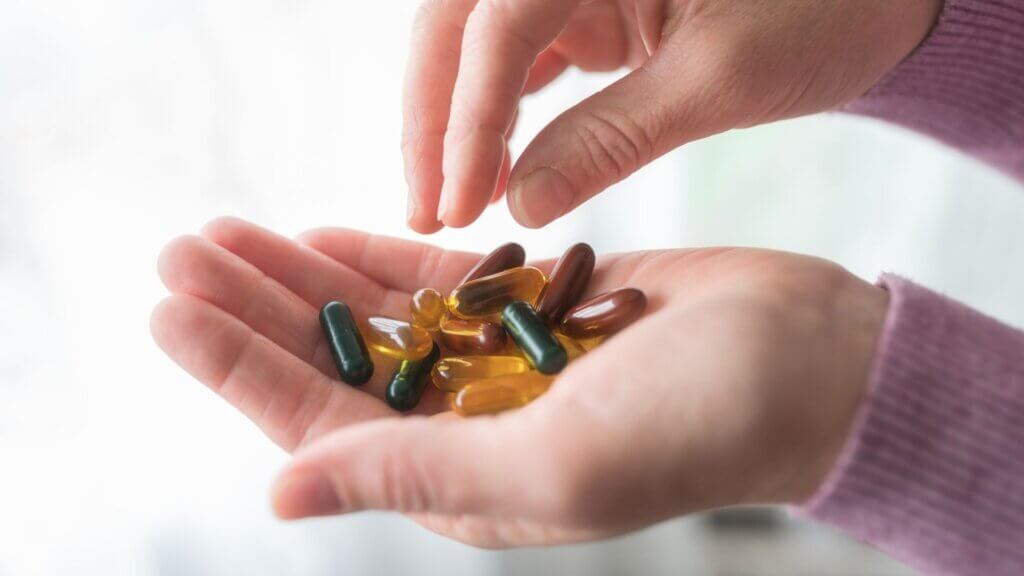
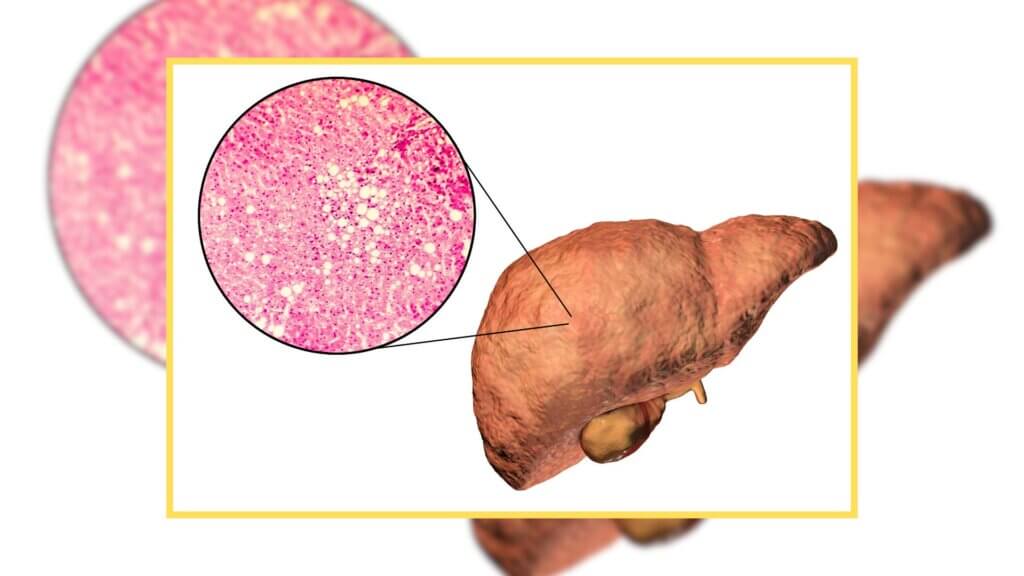
Supplements are a go-to for people trying to stay healthy, boost energy, or fill in nutritional gaps. But recent studies have raised concerns about how certain supplements, especially when misused or overused, may harm your liver. One condition tied to this is Drug-Induced Liver Injury (DILI), a potentially serious disorder that occurs when the liver reacts adversely to certain substances.
The Liver: Your Body’s Detox Powerhouse

Your liver filters and breaks down everything you consume: food, drinks, medications, and supplements. When it’s overwhelmed, it can lead to inflammation or more severe conditions like DILI, which has become more frequently reported as supplement use continues to grow. Supplements, especially in high doses or poor combinations, can contribute to this form of liver stress and injury.
The Growing Popularity of Dietary Supplements
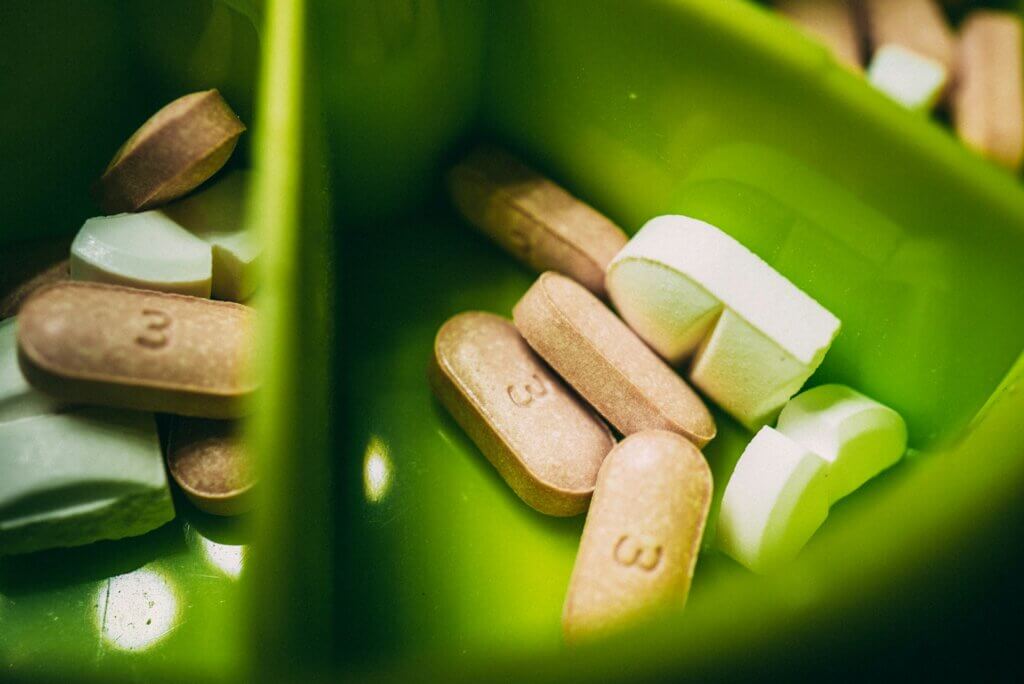
Industry analyses by MarketsandMarkets and Grand View Research suggest that the global dietary supplement market was valued at roughly $170 billion to $190 billion in 2023, depending on how categories are defined.
What’s clear is that consumer demand continues to rise as people look for “quick fixes” to boost energy, immunity, and longevity. Yet, the scientific understanding of how supplements interact, especially when combined, hasn’t kept pace with this rapid growth.
As more individuals self-prescribe products, the potential for misuse and liver-related complications grows alongside the market.
The Case of Green Tea Extract and Liver Injury

Green tea extract, often promoted for weight loss or energy, has been linked to DILI in some people. The concentrated form of catechins in green tea extract can cause liver inflammation, especially in high doses or when taken on an empty stomach. It’s a reminder that even antioxidant-rich supplements can backfire without proper usage.
Hidden Ingredients and Mislabeling Issues
A study by JAMA Network Open has revealed that hundreds of supplements on the market contain undeclared or unapproved ingredients, including steroids, prescription drugs, and stimulants not listed on their labels.
These hidden substances can significantly heighten liver toxicity risks, particularly when taken with other medications. Because supplement oversight is limited, consumers may unknowingly ingest compounds their bodies cannot safely process.
Multivitamins: Harmless or Harmful?

Many assume multivitamins are risk-free, but too much of certain fat-soluble vitamins, like A, D, E, and K, can build up in your system and strain the liver. While rare, chronic overuse could raise the risk of DILI, especially when combined with other supplements containing the same ingredients. Always cross-check labels and follow dosage guidelines.
Supplements and Drug Interactions

Some supplements can alter how the body metabolizes prescription drugs, creating unpredictable effects. Substances such as St. John’s wort can accelerate liver enzymes that break down medications, reducing their effectiveness. Others, like kava or valerian root, may intensify sedative effects when paired with alcohol or antidepressants. These interactions not only undermine medical treatment but also add metabolic strain to the liver.
Not All “Natural” Supplements Are Safe

“Natural” doesn’t mean harmless. Some herbal products, like kava, comfrey, and certain traditional remedies, have been directly linked to DILI cases worldwide. Because supplements are less strictly regulated than medications, it’s harder to predict or detect harmful reactions. Always check for clinical backing and safety data when choosing a product.
The Genetic Factor: Why Some People Are More Susceptible
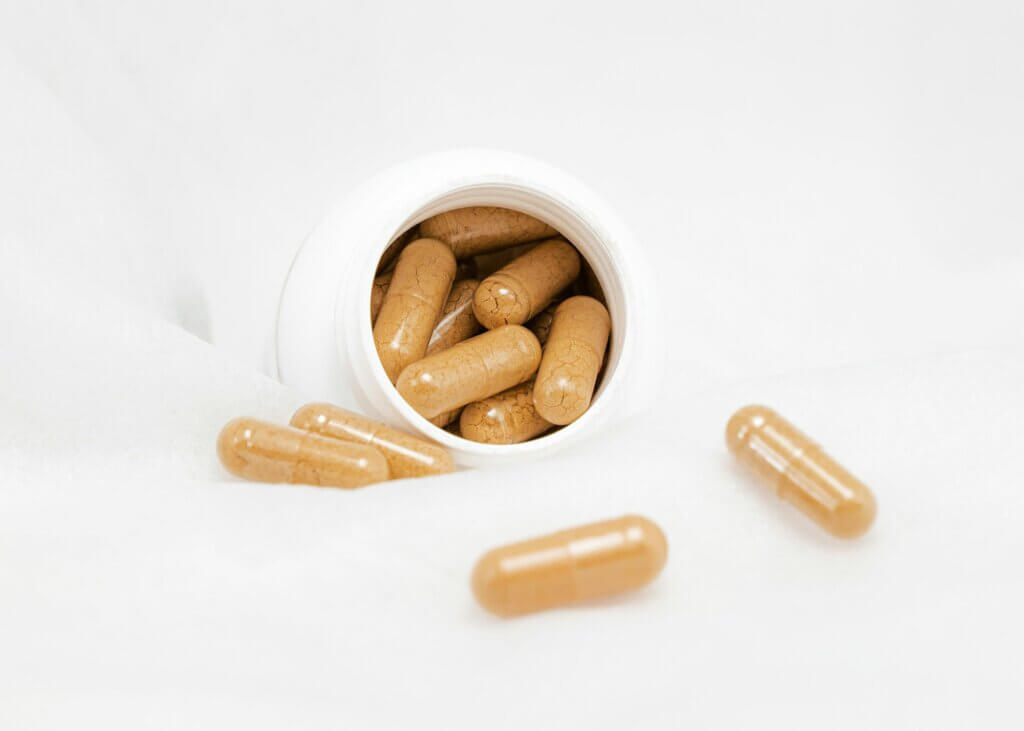
Genetic variations in enzymes responsible for drug metabolism, particularly those in the CYP450 and UGT families, can influence how individuals process supplement compounds. People with slower enzyme activity may accumulate toxins more easily, which explains why a supplement that’s harmless for one person could trigger inflammation or liver injury in another.
The Role of “Detox” Supplements in Liver Stress
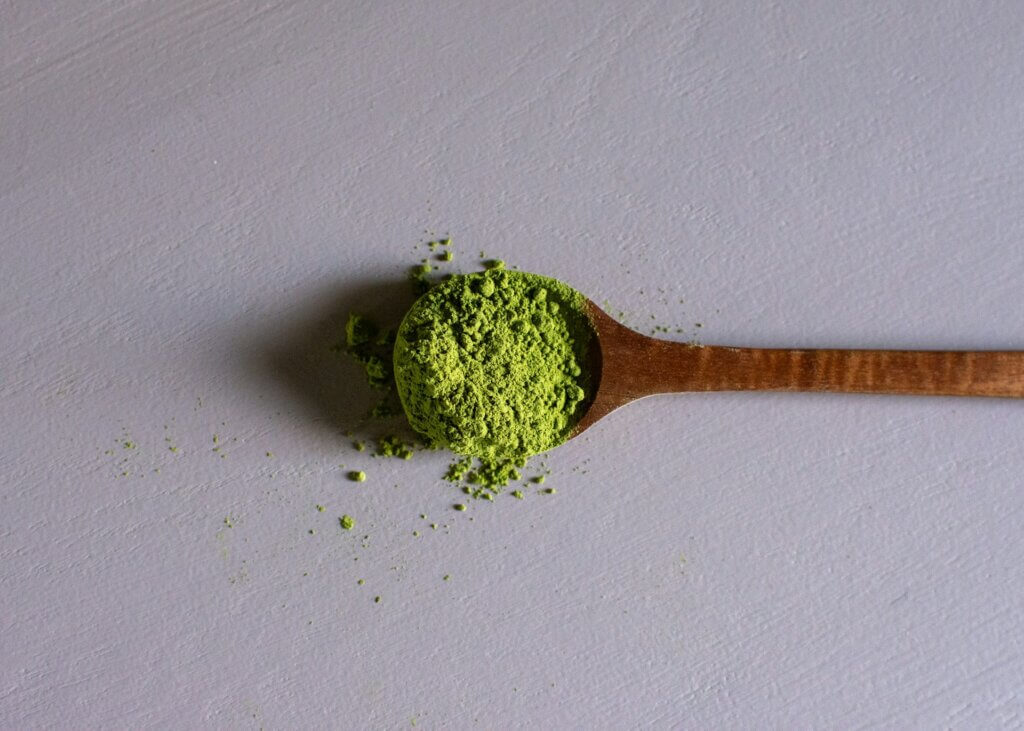
Many detox or “cleanse” products promise to flush toxins from the body, yet certain ingredients like green tea extract, cascara, and senna have been linked to liver inflammation in clinical reports. True detoxification doesn’t rely on powders or pills. It’s a natural process your liver already performs, supported by hydration, fiber, and balanced nutrition rather than concentrated herbal blends.
When Healthy Habits Backfire
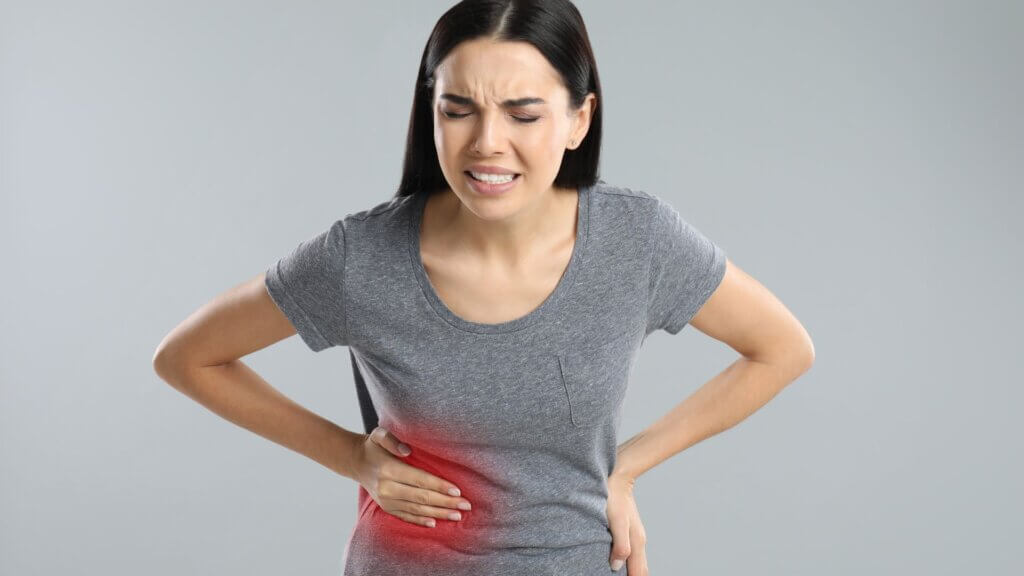
People often stack supplements such as turmeric, detox blends, collagen, and adaptogens without understanding how these interact. Over time, this can overload the liver’s processing capacity and potentially trigger DILI. It’s not about taking no supplements—it’s about avoiding blind overuse and unpredictable combinations.
The Impact of Cumulative Exposure
Even small daily doses of supplements can add up over time. Continuous intake forces the liver to metabolize bioactive compounds with little recovery, which may lead to chronic inflammation and oxidative stress. Research shows that prolonged exposure to certain botanicals and high-dose vitamins can contribute to gradual liver scarring and functional decline.
Why More Isn’t Always Better
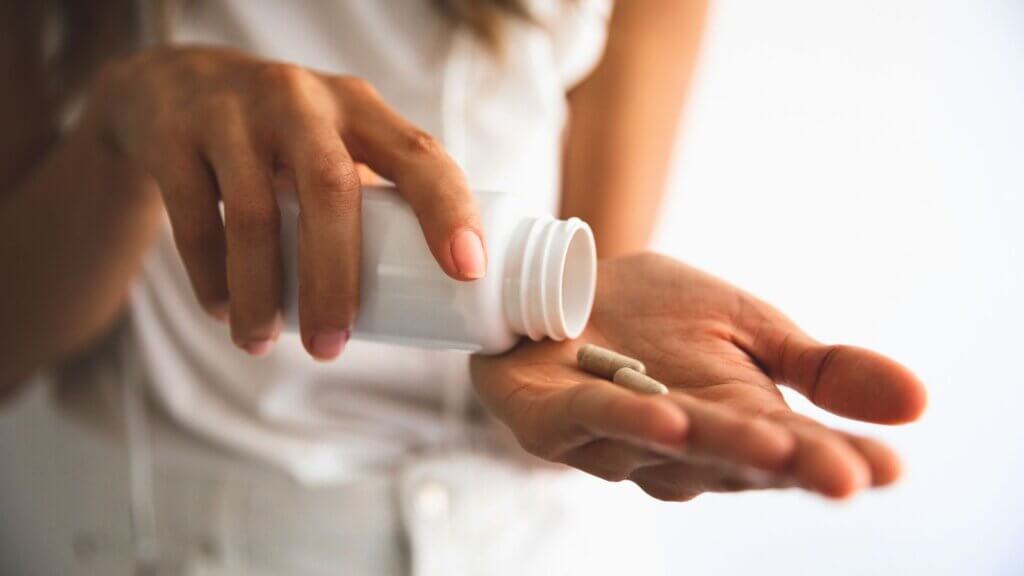
Taking supplements “just to be safe” can ironically put your health at risk. Doses that exceed recommended amounts, especially from multiple overlapping sources, can elevate the risk of liver toxicity and DILI. Without clear medical need or supervision, it’s easy to do more harm than good.
Case Studies: Real-World Evidence of Supplement-Linked DILI

Clinical registries such as the Drug-Induced Liver Injury Network (DILIN) have documented that a substantial fraction of liver injury cases are attributable to herbal and dietary supplements. For example, among 1,780 high-confidence DILI cases reported between 2004 and 2023, 325 cases (18 %) were linked to supplements. Many of these involved non-bodybuilding agents, whose use has increased over time.
Regulation Gaps and Consumer Risks
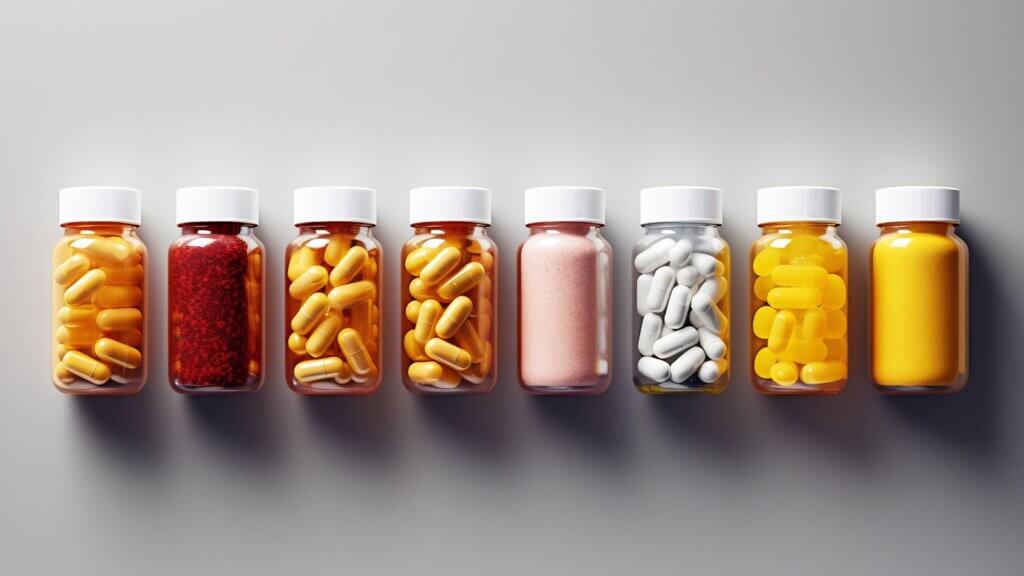
Unlike medications, supplements are not required to undergo pre-market safety testing before reaching consumers. Under the current policy, products can be sold until evidence of harm emerges. This reactive model leaves consumers vulnerable to poorly studied compounds and misleading health claims. The result is a marketplace where accountability often follows injury rather than preventing it.
The Importance of Expert Guidance

Your liver health depends on more than just what you take—it’s also how and why you take it. If you use multiple supplements, have preexisting conditions, or take prescription drugs, consult a healthcare provider. A professional can help you avoid interactions and reduce your risk of developing DILI or other complications.
The Role of Healthcare Professionals and Reporting Systems

Most cases of supplement-related liver injury go unreported because people rarely disclose their supplement use to doctors. Programs like MedWatch and LiverTox rely on voluntary reports to track adverse events, meaning true incidence rates are likely underestimated. Encouraging open dialogue with healthcare providers and consistent reporting can help identify emerging threats sooner.
Mindful Supplement Use Is Key

This isn’t an argument against supplements because they have value when used appropriately. But they should be part of a bigger picture that includes real food, expert input, and awareness of your body’s needs. Pay attention to quality, dosage, and how your body responds. Because just like diet and exercise, supplement use should be intentional, not automatic.
Building a Safer Supplement Routine
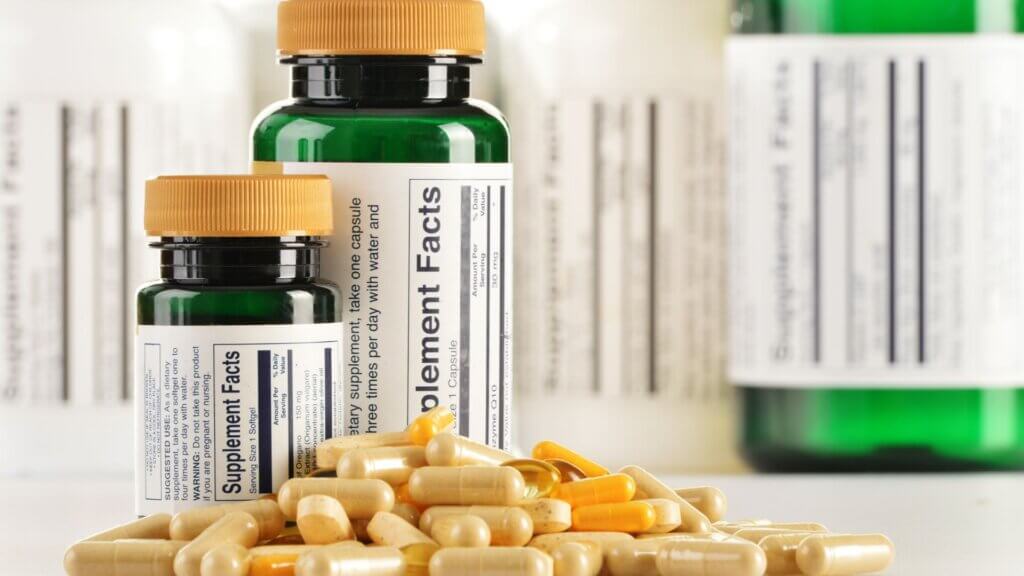
Choosing products verified by third-party labs such as USP, NSF International, or ConsumerLab helps ensure ingredient quality and accurate labeling. Keeping a record of what you take, spacing supplements throughout the day, and reevaluating your regimen with a clinician every few months can dramatically reduce risk.
Thoughtful use, grounded in moderation and verified information, is far safer than the “more is better” mindset many consumers adopt.
Protecting Your Health Starts with Awareness

DILI is a serious but often preventable condition, and it’s increasingly tied to the growing use of dietary supplements. That doesn’t mean supplements are inherently harmful, but it does mean we need to be smarter about how we use them.
Prioritize knowledge, moderation, and expert input so your efforts to stay healthy don’t unintentionally lead to long-term harm. Your body, especially your liver, works hard for you every day. Give it the same level of care and consideration as the choices you make.