


Products are selected by our editors, we may earn commission from links on this page.
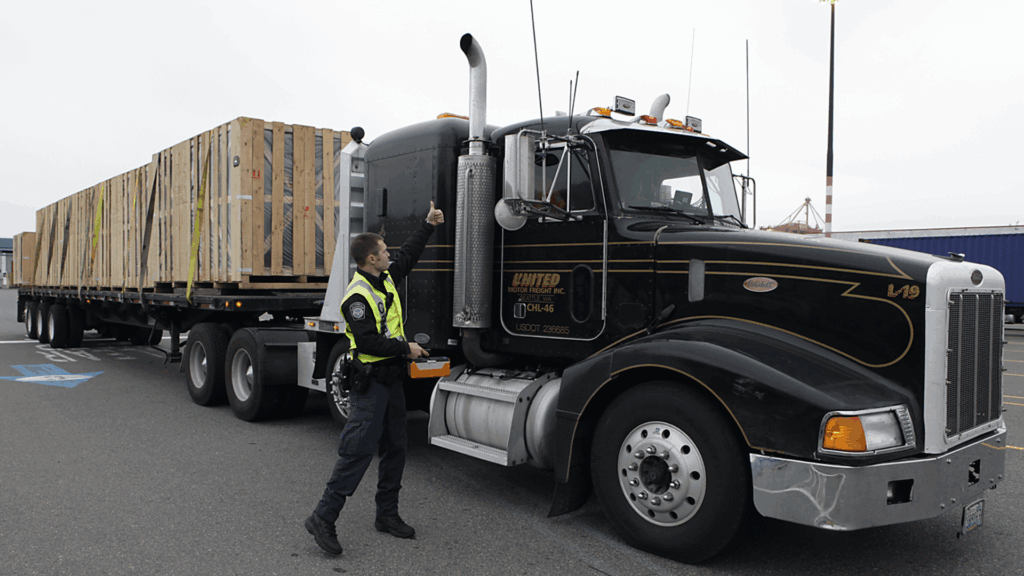
Truck drivers face an unexpected threat on America’s roads. Law enforcement officers now have authority from the Trump administration to pull truckers off the road if they fail an English test. The government maintains these rules protect highway safety. For many in the industry, they represent costly disruptions and fear. What’s really happening?
The Human Cost of Enforcement

Vadym Shpak owns an Illinois-based trucking company and watches helplessly as enforcement actions drain his resources. His drivers, mostly Eastern European immigrants, abandon their rigs mid-route after failing roadside English tests. Shpak books emergency flights and rental cars to recover stranded truckers. His insurance premiums climb as violations accumulate. Some employees refuse southern state assignments. He insists these are experienced, safe drivers. But the new reality is harsh.
Part of a Larger Immigration Strategy

The language crackdown isn’t isolated. Transportation Secretary Sean Duffy sought to sharply limit commercial driver’s licenses for foreign-born applicants in September, though courts temporarily blocked the move. ICE raids have swept through Oklahoma, Texas, Indiana, and New York, detaining hundreds of truckers. The Department of Transportation now serves dual purposes: ensuring road safety and advancing Trump’s immigration agenda.
The Industry Braces for Impact

Initially, trucking companies dismissed concerns about major disruptions. That perspective has shifted dramatically. Shelley Simpson, CEO of JB Hunt Transport Services, expects as many as 400,000 drivers—about 11% of the supply—to leave the business over coming years because of enforcement actions. She called this number “meaningful.” The industry already struggles with sluggish demand and low freight rates. Companies now plan for significant driver shortages.
The Executive Order That Started It

President Trump signed an executive order in April calling for “commonsense rules of the road” for US truckers. The order emphasized that truckers must read traffic signs and communicate with law enforcement effectively. Transportation Secretary Sean Duffy quickly moved to implement the directive. Within weeks, a new enforcement guidance went out to inspectors nationwide.
How the Rules Changed Overnight

Language proficiency requirements for commercial drivers aren’t new—they date back decades. But enforcement evolved significantly. Since the Obama administration, violations typically only resulted in citations. Drivers could continue working after receiving warnings. Trump’s April executive order reversed this approach entirely. Beginning June 25, English proficiency violations would mean immediate removal from the road.
The Numbers Tell a Stark Story

Since the policy took effect in late June, more than 9,500 cases of drivers being pulled off the road have been recorded, according to federal data analyzed by Bloomberg News. Texas and Wyoming led enforcement efforts. Before recent changes, violations dropped to between 7,800 and 10,000 yearly. The recent spike represents a dramatic shift in roadside enforcement.
A Tragic Crash Becomes Political

In August, a fatal crash on the Florida Turnpike became a flashpoint. Immigrant trucker Harjinder Singh allegedly attempted an illegal U-turn, causing a collision that killed three people. The Department of Homeland Security reported Singh entered the country illegally before obtaining a California-issued commercial driver’s license. He pleaded not guilty to manslaughter and vehicular homicide charges.
Visa Suspensions and Federal Action

The administration seized on the tragedy to justify stricter enforcement. Secretary of State Marco Rubio announced suspensions of worker visas for foreign truckers, warning they endangered American lives and undercut US-born truckers. Weeks later, Duffy’s agency issued an emergency rule restricting who was eligible for commercial driver’s licenses based on immigration status. The crackdown intensified rapidly.
California in the Crosshairs
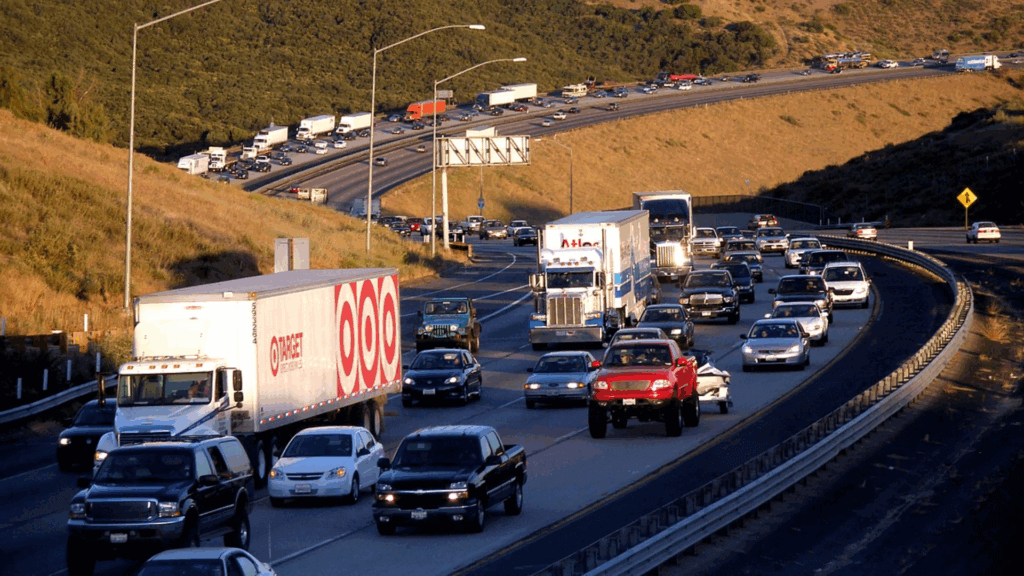
California found itself targeted by the administration. Duffy announced the state must revoke 17,000 commercial driver’s licenses already issued to foreign-born drivers. The emergency rule barred asylees, DACA recipients, and refugees from renewing or upgrading their licenses. States refusing compliance would lose federal funding. The DOT threatened to withhold at least $40 million from California.
Fear Spreads Across the Industry

Aaron Graft, CEO of Triumph Financial, noticed troubling patterns. Drivers avoid regions after ICE raids. For days following enforcement actions, trucking rates in those areas spike as driver supply drops. Josh Rosenthal, a workers’ rights attorney at the Asian Law Caucus, described “tremendous confusion, anxiety, fear among many drivers.” The psychological impact extends far beyond individuals.
The Problem With Subjectivity

Critics highlight a fundamental issue: the tests rely heavily on officer discretion. Officers receive instructions essentially to evaluate proficiency based on what they hear. Rosenthal notes this “invites bias on the basis of accents, even for somebody who is perfectly able to understand and communicate in English.” Roadside interviews aren’t recorded, creating power imbalances.
When Safety Evidence Disappears

The Commercial Vehicle Safety Alliance removed limited-English ability as an “out-of-service” factor in 2015 after finding no evidence it created imminent crash risk. Critics argue the new policy reverses that logic without evidence. The Federal Motor Carrier Safety Administration’s own rule states there isn’t sufficient evidence showing an empirical relationship between a driver’s national identity and safety outcomes.
Real Drivers, Real Consequences

Thaw, a 46-year-old asylum seeker from Myanmar, found freedom driving long-haul routes for C.R. England, earning around $1,500 weekly. After Duffy’s rule on non-domiciled commercial licenses, California’s DMV declined to upgrade Thaw’s license with the passenger endorsement needed for his next job. “I feel really upset,” he said. “This is not my mistake.” He now drives for Uber.
A Young Driver’s Uncertain Future
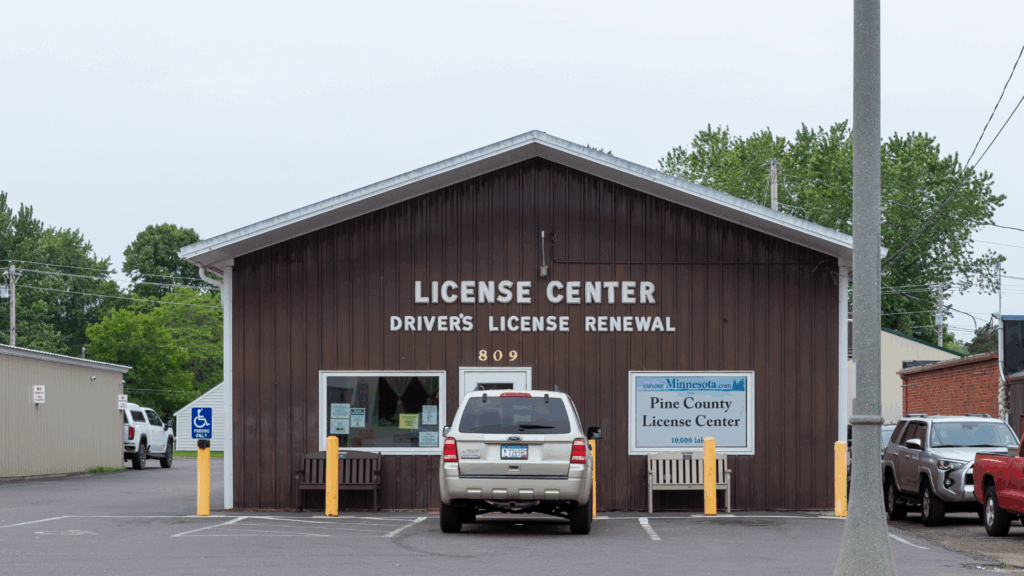
Javier Gomez, 24, hauls fresh produce to Bay Area restaurants for US Foods. He supports himself and his girlfriend on his trucker’s salary, paying rent and her nursing school tuition. Gomez came to America from Mexico before age six and obtained work authorization through DACA. He predicts he won’t renew his license next year. “It’s in a matter of seconds that your life can change,” he said.
The Economic Ripple Effects Widen
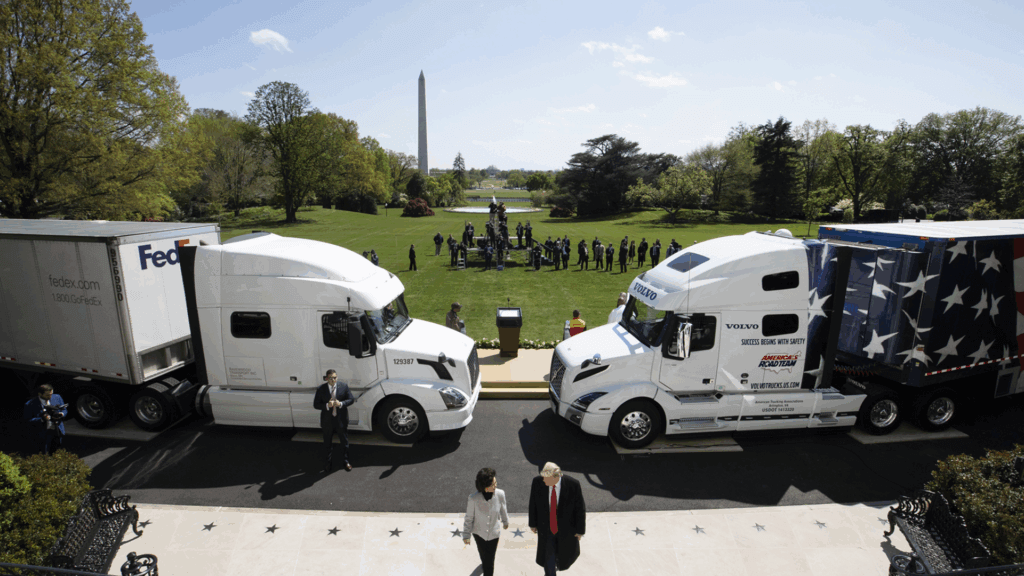
Trucking represents a critical pillar of the American economy. Approximately 3.5 million truck drivers transport goods, materials, food, and energy across the nation. The industry faces existing challenges: sluggish demand, low freight rates, and driver shortages. Now, enforcement actions compound these pressures. The economic disruption extends beyond trucking to affect supply chains, consumer prices, and business operations nationwide.
An Iconic Job Transformed

Truck driving once embodied rugged American individualism—modern cowboys backed by powerful unions. In 1976, C.W. McCall’s “Convoy” topped music charts. Transportation attorney Gregory Reed notes there’s “no more sort of iconic blue-collar job” than truck driving. The share of foreign-born drivers increased from 15% to 20% between 2009 and 2023. Meanwhile, driving conditions deteriorated significantly.
Wages Fall, Challenges Rise

Long-haulers spend weeks away from home, often parking on off-ramps to sleep. Many struggle with health problems tied to inactivity and poor food options. In 2022, the average trucker earned less than half what drivers did in the 1980s, adjusted for inflation, according to the National Transportation Institute. The romance of the open road has faded considerably.
Legal Limbo for Thousands
Despite a federal court temporarily pausing Duffy’s rule restricting commercial driver’s licenses, many states suspended license renewals anyway. Uncertainty paralyzes foreign-born drivers. Some waited years to obtain their licenses and build trucking careers. They drove safely and legally for extended periods. Now their livelihoods hang in the balance as states await clarity on policy implementation and future enforcement.
The Road Ahead Remains Uncertain

Transportation Secretary Sean Duffy vowed to challenge court rulings, stating the administration “won’t stop fighting to keep dangerous, unqualified truck drivers off the road.” Industry leaders prepare for significant workforce reductions. Immigrant rights advocates organize resistance to discriminatory enforcement. Truckers adapt to new realities. America’s transportation infrastructure faces unprecedented disruption as safety, economics, and immigration politics collide.