

Products are selected by our editors, we may earn commission from links on this page.
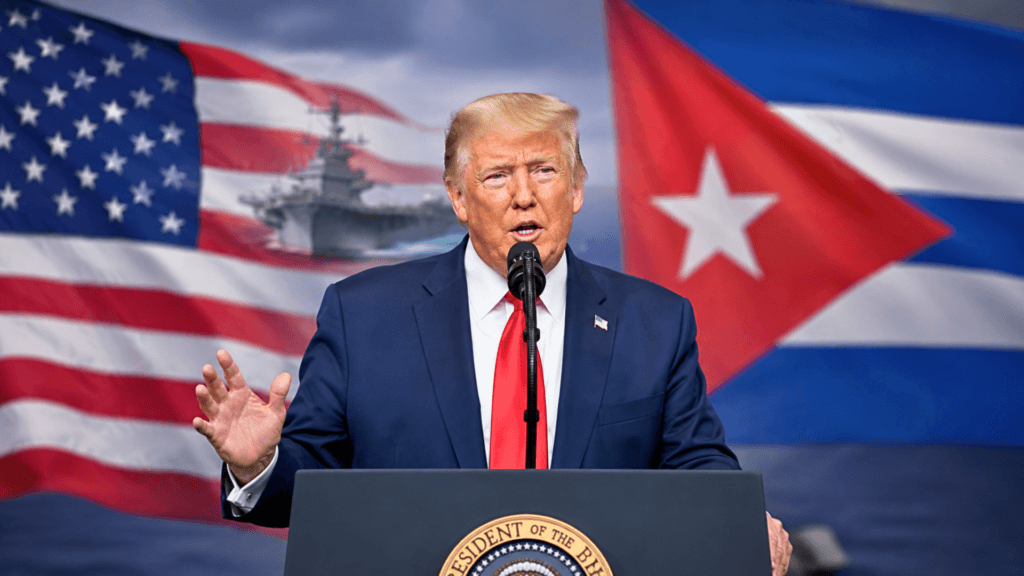
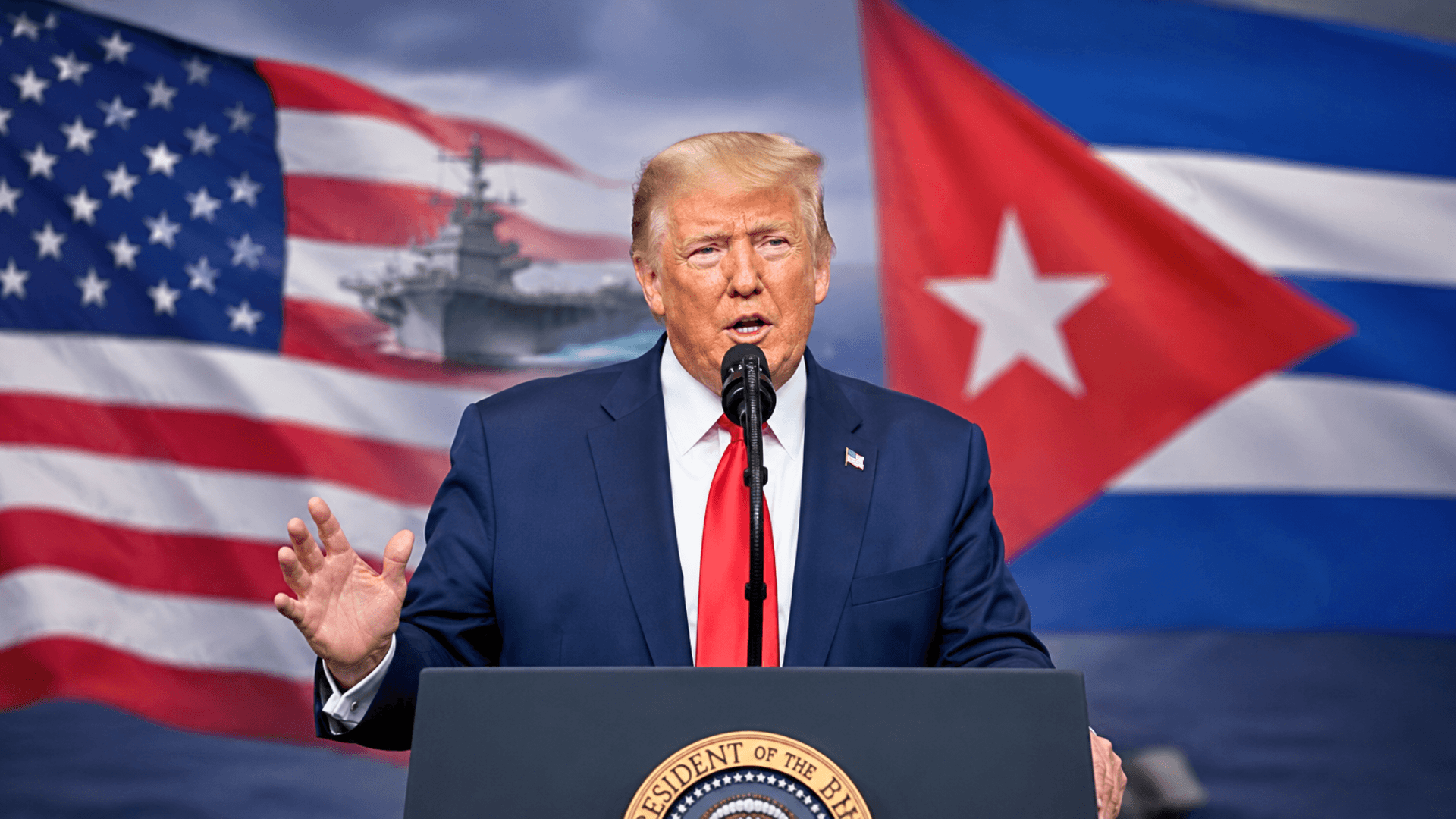
President Donald Trump made waves on Friday, May 1, 2026, by pairing aggressive new economic penalties with bold rhetoric regarding the future of Cuba. During an event in Florida, the president signed an executive order that significantly broadens the scope of U.S. sanctions against the island nation. Shortly after, he told a crowd in West Palm Beach that the United States could take over Cuba almost immediately. These developments mark a sharp escalation in a renewed confrontational approach toward the Caribbean neighbor.
The Sanctions Hammer Drops
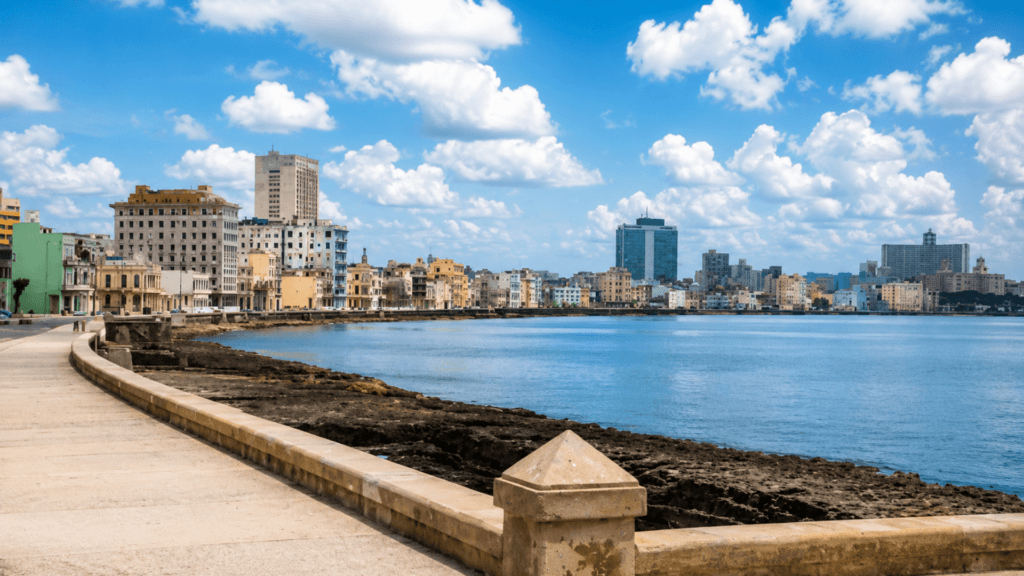
The new executive order targets the core of the Cuban economy, focusing on the security apparatus, energy sector, and financial services. By blocking property and financial interests linked to these sectors, the administration aims to cut off the Cuban government’s primary revenue streams. U.S. citizens and businesses are now largely prohibited from conducting any transactions with the sanctioned entities. This move is intended to isolate the Cuban leadership and limit their ability to operate on the global stage.
Targeting International Business Ties

A critical component of the new order is the authorization of secondary sanctions. This allows the U.S. government to penalize foreign companies and international financial institutions that continue to do significant business with sanctioned Cuban entities. By threatening to cut off access to the U.S. financial system, the administration is pressuring global allies and trade partners to choose between the Cuban market and the American economy. This strategy seeks to create a total economic blockade around Havana.
“Almost Immediately” Rhetoric Surfaces
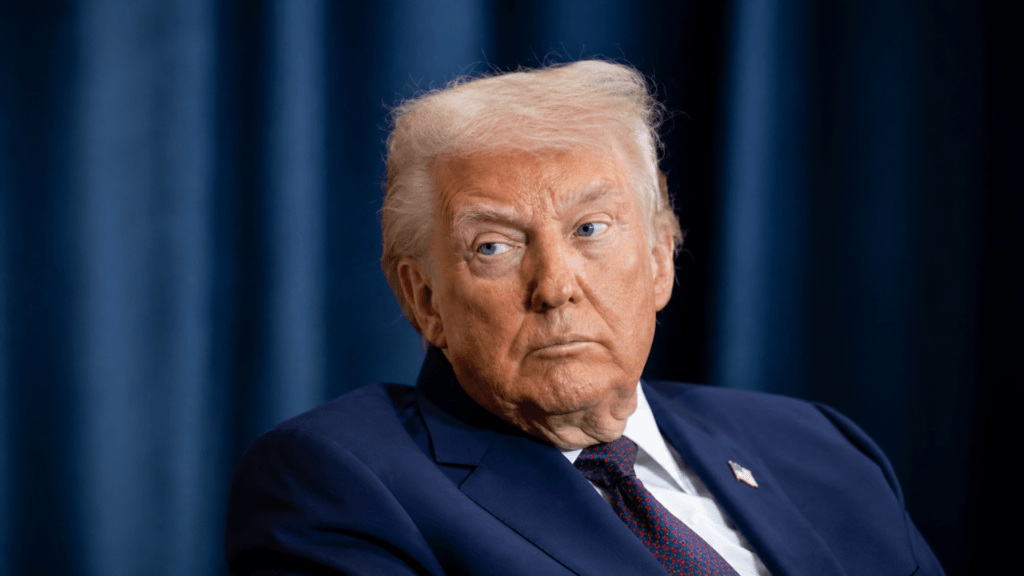
Speaking at the Forum Club of the Palm Beaches, Trump addressed Cuba’s ongoing economic and political struggles with a provocative suggestion. He claimed that the United States would be taking over the island almost immediately. While the tone of the remarks appeared partially informal, they were delivered on the same day as the concrete policy shifts. The timing led many observers to wonder if the president was outlining a new, more aggressive doctrine beyond simple economic pressure.
A Naval Show of Force
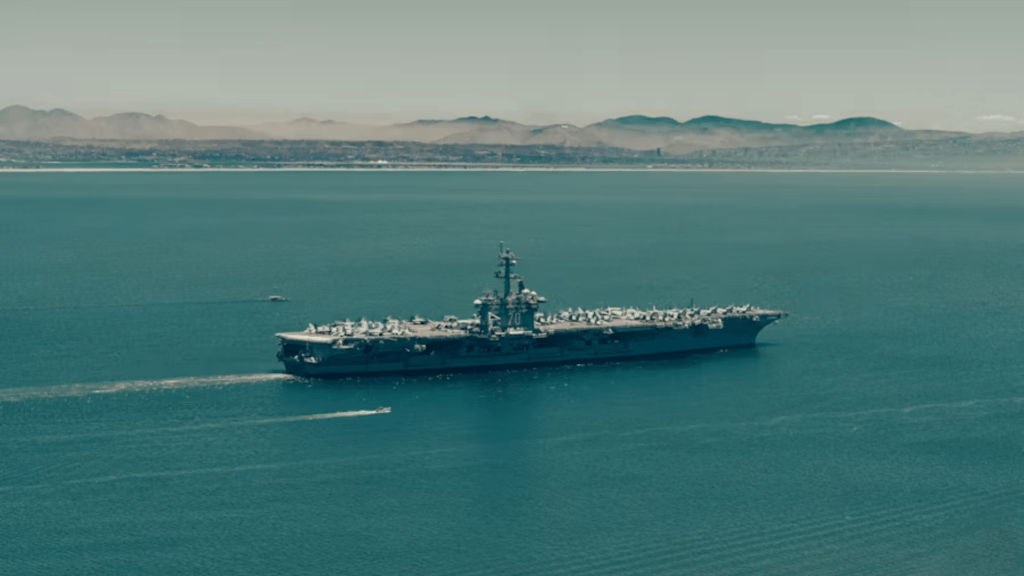
The president proposed a hypothetical scenario involving the U.S. military to illustrate his point. He suggested that an American aircraft carrier could be positioned just outside Cuban waters to compel a surrender. Trump claimed that such a show of force would be enough to finish the job without a prolonged engagement. He specifically named the USS Abraham Lincoln as a vessel that could be diverted to the region, framing the move as a logical next step for the military.
Linking Cuba to the Iran Conflict
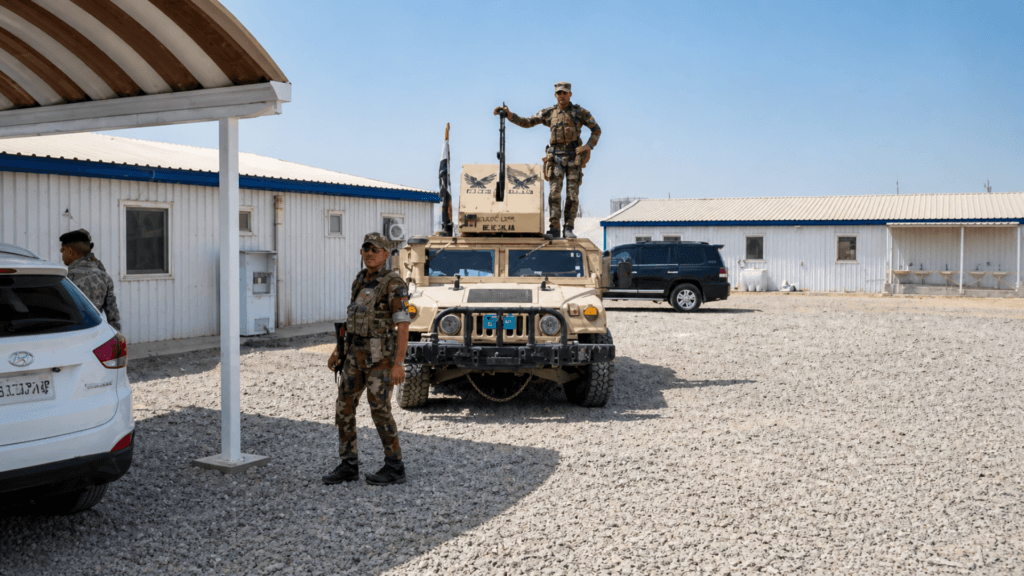
Trump explicitly tied his comments about Cuba to the ongoing military operations involving Iran and Israel. He suggested that a naval carrier group returning from the Middle East could stop at the island on its way back to the United States. The president has previously hinted that Cuba would be next on his administration’s agenda following the resolution of conflicts in the Middle East. This strategic linkage suggests a broader vision of global military realignment.
Havana Framed as a Security Threat
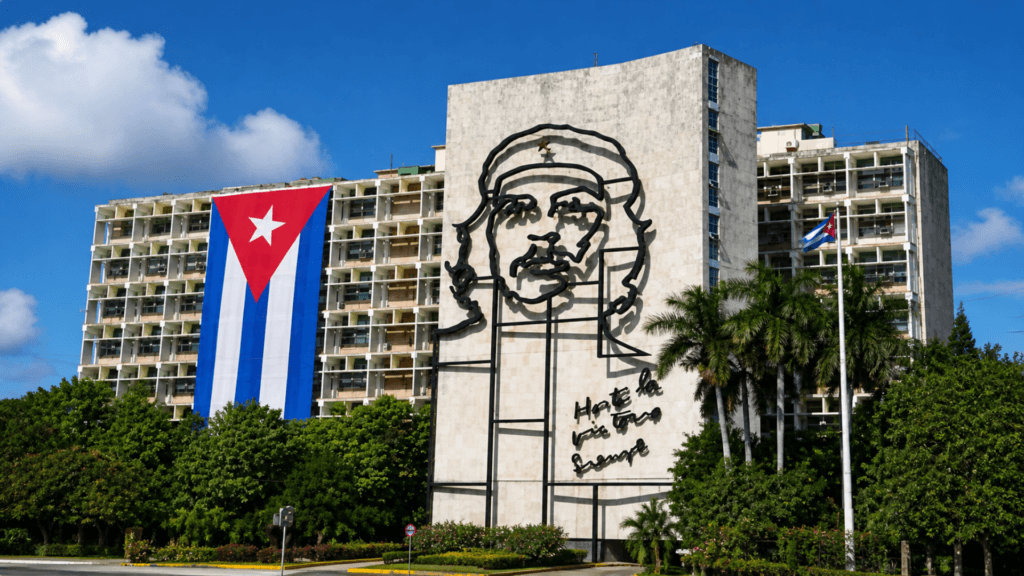
The White House has officially described the Cuban government as an unusual and extraordinary threat to national security. Administration officials allege that Havana maintains close ties with Iran and groups such as Hezbollah, posing a risk less than 100 miles from American shores. The executive order accuses the Cuban leadership of systemic corruption and aligning with hostile foreign actors. This framing provides the legal and political justification for the heightened economic and military rhetoric.
Cuba Rejects “Coercive” Measures
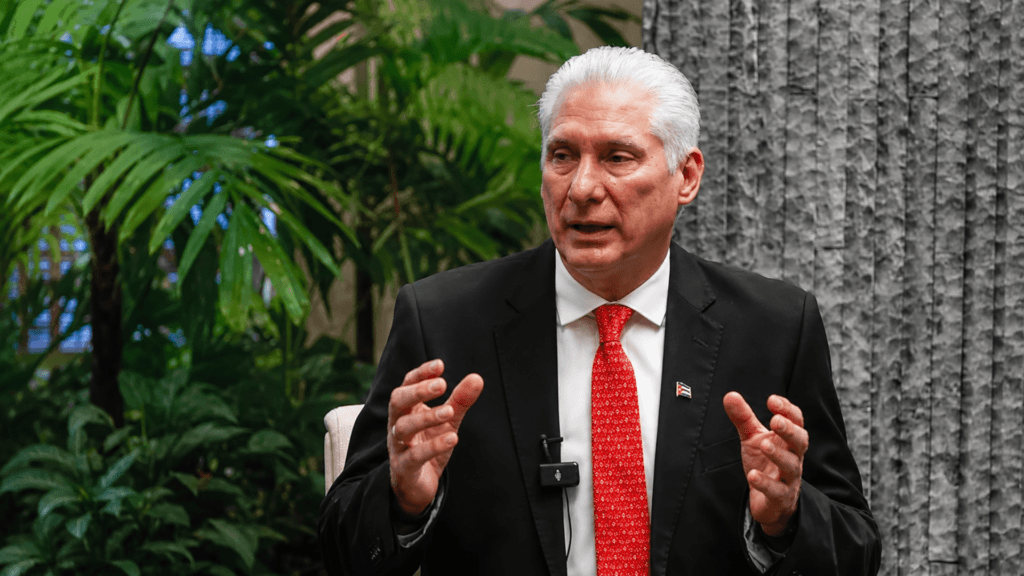
Leaders in Havana were quick to condemn the new executive order and the president’s remarks. President Miguel Díaz-Canel described the sanctions as coercive and characterized them as collective punishment against the Cuban people. Foreign Minister Bruno Rodríguez stated that the Cuban government would not be intimidated by U.S. pressure. Cuban officials continue to insist that their socialist system is not up for negotiation, rejecting U.S. demands for internal political and economic reforms.
Impact on Regional Allies
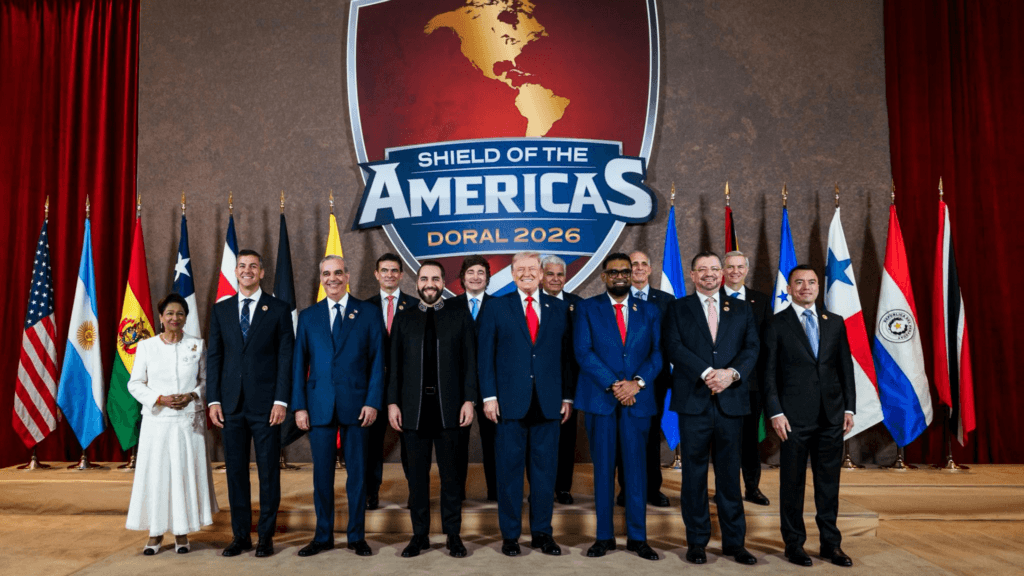
The escalation has created a complex situation for U.S. allies in Latin America and Europe. Many foreign companies have significant investments in Cuba’s tourism and mining sectors, and they now face the threat of secondary sanctions. Some regional leaders have expressed concern that a total economic collapse in Cuba could lead to a massive migration crisis. The administration’s hardline stance forces neighbors to balance their own economic interests with the risk of defying Washington’s new directive.
A Renewed Presidency’s Confrontational Path
The events clarify that the administration is committed to a policy of maximum pressure. Whether the “take over” comments were a serious policy hint or a rhetorical tool, they reflect a presidency that is comfortable with high-stakes brinkmanship. As rhetoric and policy move in tandem, the relationship between Washington and Havana has reached its most volatile point in decades. The world is now watching to see if the administration’s bold claims will manifest into further action.