

Products are selected by our editors, we may earn commission from links on this page.
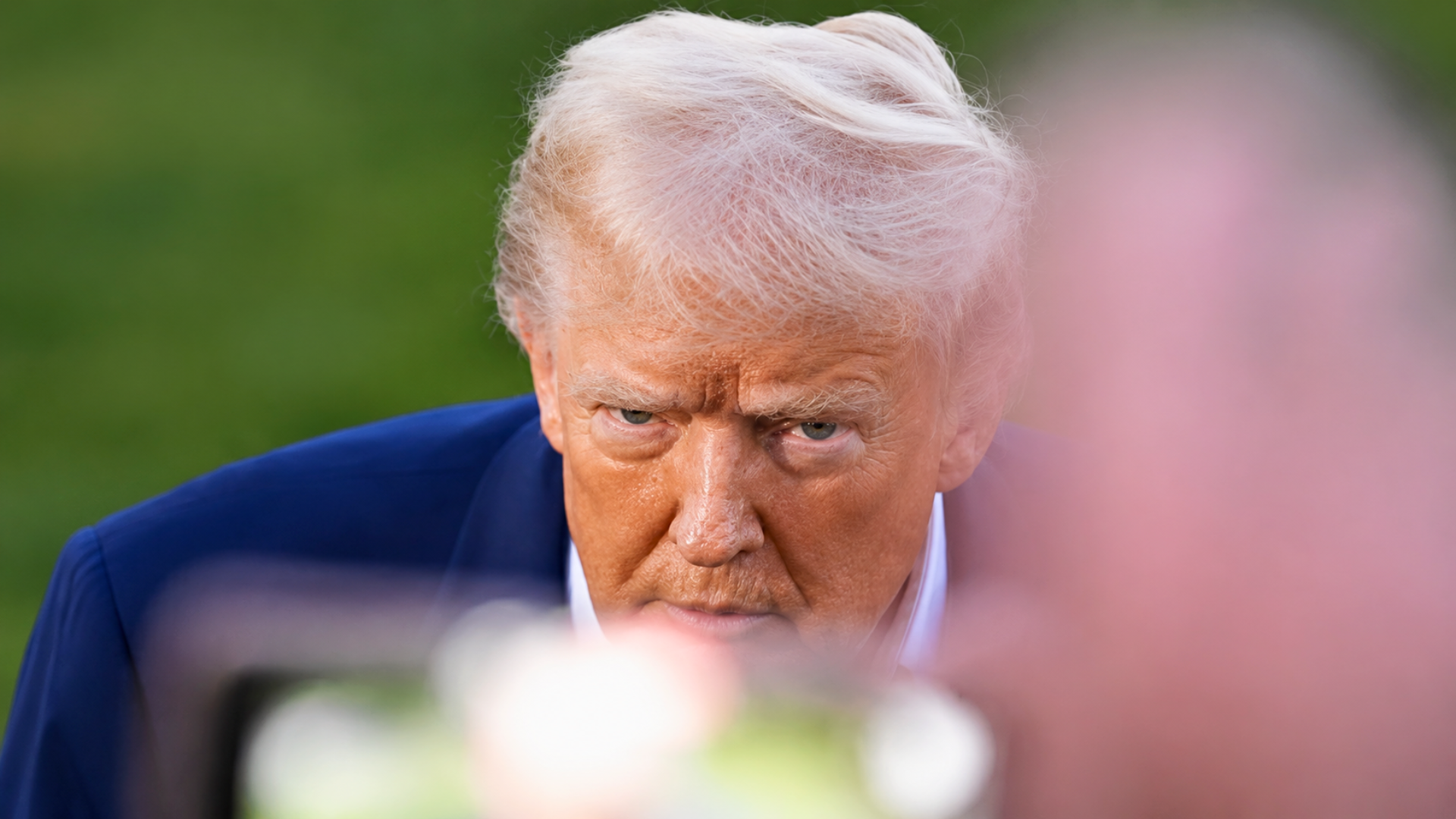
Is a presidential social media account a platform for official state declarations, or has it become a digital canvas for hyper-fast political satire? In a striking demonstration of modern online communication, President Donald Trump unleashed a rapid-fire sequence of posts on Truth Social that blurred the lines between official executive messaging and internet culture. The brief late-night digital outburst transformed his timeline into a non-stop stream of hyper-stylized political trolling, catching the attention of media analysts across the country.
The online blitz featured an intense wave of content over a remarkably tight window. Within less than twenty minutes, Trump published a succession of digitally altered images, political memes, and patriotic fantasy posters. Observers noted that the timing of the digital blitz coincided with heightened real-world pressures, including fluctuating domestic poll numbers, ongoing inflation anxieties, and escalating geopolitical tensions in the Middle East.
Among the first distinct targets of the posting spree was California Governor Gavin Newsom. An artificial intelligence rendering portrayed Newsom as a heavily stylized, gaunt figure superimposed onto a mock license plate that carried the phrase “the once golden state.” The post set a highly aggressive tone for the evening, signaling a direct pivot toward utilizing sophisticated digital manipulation tools to mock prominent domestic political adversaries.
Landmark Restorations and Sewage Imagery
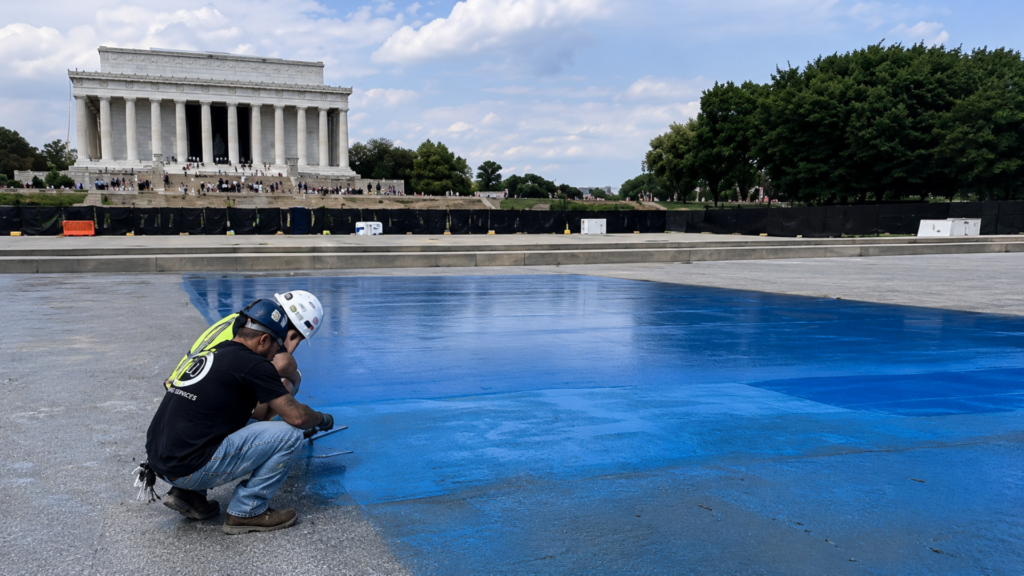
The digital barrage quickly moved to address national infrastructure projects by targeting past administrations. One of the more controversial images featured former President Barack Obama, current President Joe Biden, and former House Speaker Nancy Pelosi depicted as if they were swimming inside a heavily altered, dark brown body of water meant to resemble filthy sewage inside the Lincoln Memorial Reflecting Pool. The visual was explicitly paired with text criticizing the environmental management and economic track record of the Democratic party.
The focus on the iconic Washington landmark is tied directly to a highly publicized, real-world development project. The Trump administration ordered a rapid 1.5 million dollar engineering overhaul of the Lincoln Memorial Reflecting Pool to combat persistent algae blooms and water discoloration. Following the sewage-themed graphic, Trump shared side-by-side comparisons of the pool’s historical condition contrasted against architectural renderings of the ongoing blue-coated restoration, writing that the transformation represents the broader trajectory of the country.
Beyond the direct political strikes, the timeline featured a distinct genre of heroic digital portraiture. One image displayed a highly stylized rendering of the president standing resolutely beside a futuristic spacecraft, with the entire globe floating dramatically in the deep space background. Other graphic entries showcased Trump surrounded by traditional patriotic iconography, including massive American flags and bald eagles, an aesthetic choice that has become a staple of his digital identity.
Foreign Policy Amplified Through Digital Trolling
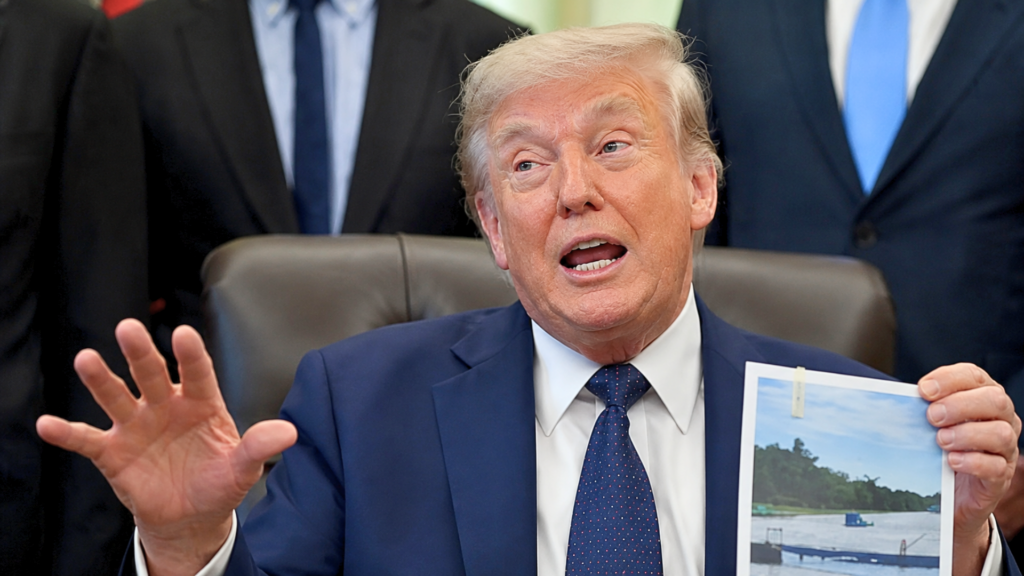
The fast-paced meme marathon eventually expanded to touch upon high-stakes international relations. Amid ongoing military standoffs, Trump shared celebratory imagery explicitly tied to American defense operations targeting Iran. One prominent graphic depicted the nation of Iran alongside warnings that “the clock is ticking,” utilizing the instant nature of social media to project an unyielding, hardline stance on national security directly to his base without going through traditional press pool channels.
In an even more provocative visual turn, the timeline featured a graphic depicting the South American nation of Venezuela covered entirely by the pattern of the American flag. Stamped across the center of the country were the words “51st state,” a highly controversial meme that triggered immediate discussions among foreign policy analysts. While critics slammed the content as reckless digital propaganda that complicates diplomatic relations, supporters defended the post as an effective piece of satirical internet bravado.
Political communication researchers point out that artificial intelligence has transitioned from an occasional novelty into a central feature of Trump’s administrative online style. The rapid-fire dissemination of unverified, computer-generated content allows the executive branch to bypass standard public relations filters. By deploying these surreal, exaggerated graphics at scale, the administration successfully dominates the daily news cycle, keeping both domestic voters and international observers focused entirely on the White House’s self-curated narrative.
Satire, Strategy, and the Reality of 2026 Digital Politics
The normalization of generative artificial intelligence in executive communications has sparked a deeper debate about the nature of public information. Media compliance analysts argue that the continuous flooding of social platforms with deepfake style imagery erodes public trust, making it increasingly difficult for ordinary citizens to distinguish between genuine historical documentation and hyper-realistic political satire. The strategy, however, remains highly effective at maintaining intense grassroots engagement and rallying base voters online.
The late-night posting frenzy occurred just hours before the president was scheduled to depart Washington for a highly critical international summit in Beijing with Chinese President Xi Jinping. The sharp contrast between high-level, delicate international diplomacy and raw, unrestricted social media trolling highlights the dual nature of modern political leadership. For the administration, the digital timeline functions as an unedited direct line to the public, free from the context or fact-checking of mainstream news networks.
The Truth Social spree provides a clear preview of the media landscape governing the rest of the 2026 election cycle. As artificial intelligence tools become more accessible and seamless to deploy, the deployment of rapid-fire digital propaganda will likely intensify across the entire political spectrum. Whether the American electorate views these automated postings as a refreshing form of authentic presidential humor or an alarming degradation of political discourse, the era of the meme as a core tool of executive governance is officially here to stay.