

Products are selected by our editors, we may earn commission from links on this page.
The U.S. Postal Service has secured one of the largest commercial agreements in its history, signing an exclusive multi-year partnership with DHL eCommerce that is expected to generate more than $10 billion in revenue. The deal comes as USPS works to stabilize its finances after years of losses, declining mail volumes, and warnings that the agency could face a cash shortfall within the next year without additional reforms.
Why DHL Chose The Postal Service
Under the agreement, USPS will handle the final delivery of DHL eCommerce parcels across the United States. DHL will continue managing pickup, sorting, and transportation through its nationwide logistics network before turning packages over to USPS for the last leg of delivery. The arrangement builds on a relationship that has existed for roughly 25 years but replaces annual renewals with a long-term commitment.
The Value Of The Last Mile
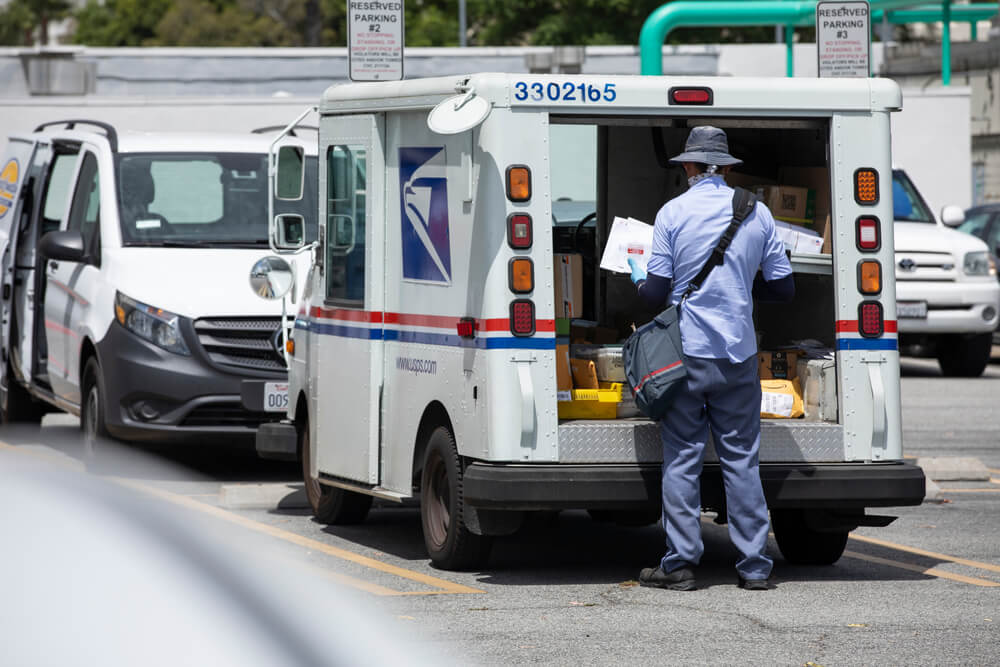
In the logistics industry, the most expensive and labor-intensive portion of shipping is often the final delivery to a customer’s door. USPS reaches more than 170 million delivery points across over 41,550 ZIP Codes six days a week, giving it a reach that few competitors can match. Postmaster General David Steiner described the Postal Service as the country’s strongest last-mile provider simply because it already travels virtually every route every day.
A Strategy Built Around Existing Infrastructure
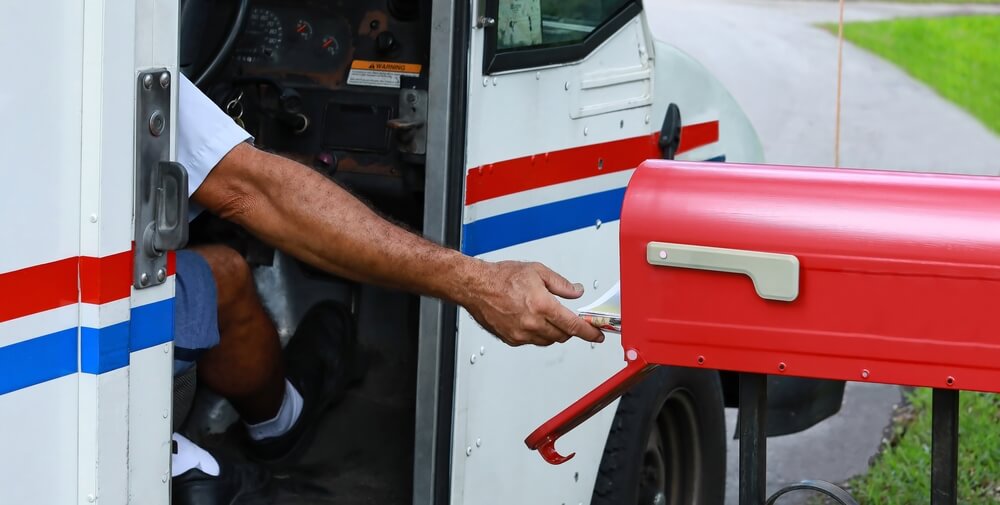
Unlike many delivery companies, USPS does not need to build an entirely new network to absorb additional parcel volume. Postal carriers already visit households and businesses across the country as part of their daily routes. Adding packages to those existing trips can generate revenue without requiring proportional increases in infrastructure spending, making last-mile partnerships particularly attractive as traditional mail volumes continue to decline.
DHL Sees A Growth Opportunity
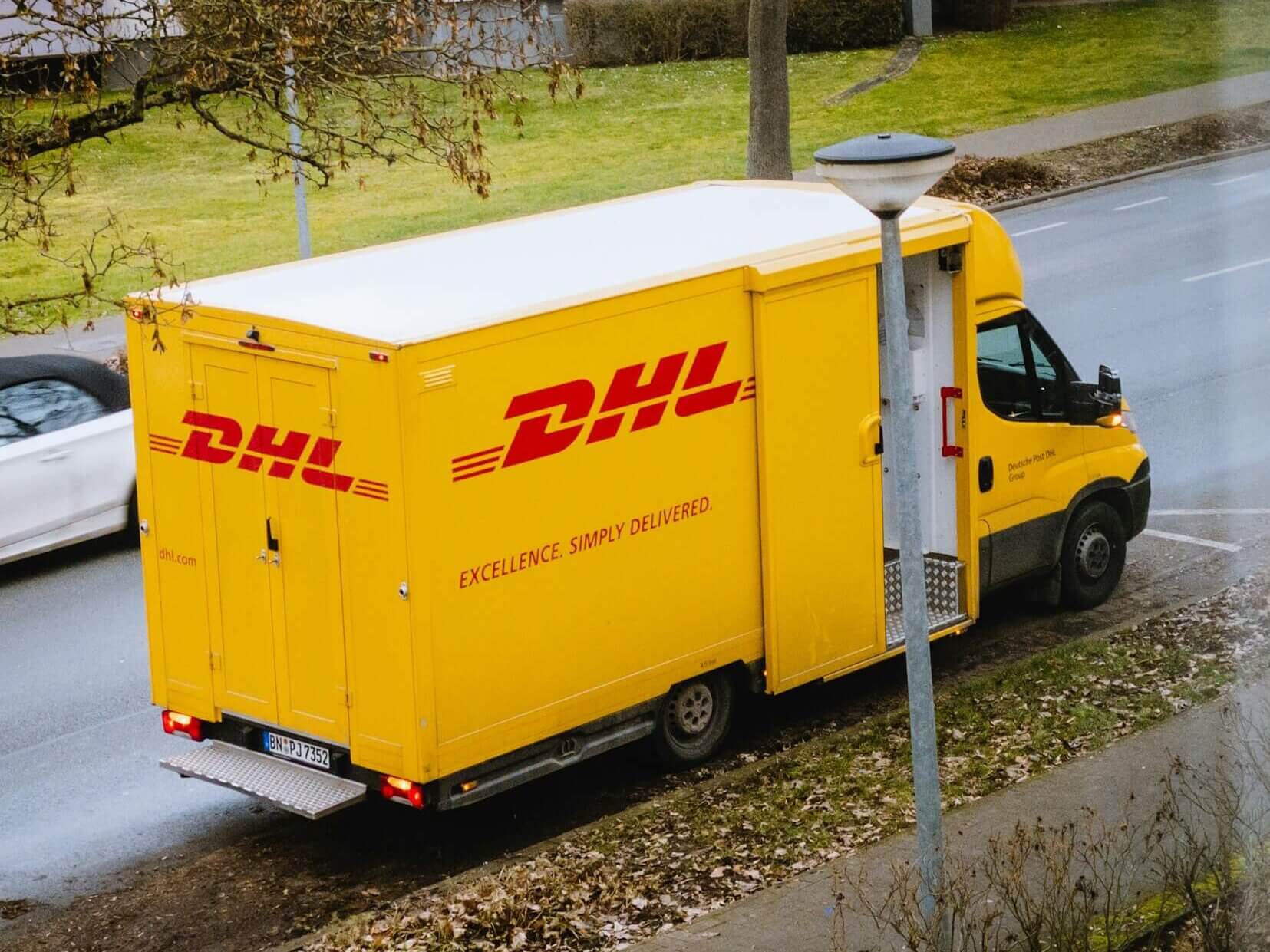
For DHL eCommerce, the partnership is part of a broader strategy to expand its U.S. presence. Company executives say the agreement will help them pursue larger brands, attract more international shipments, and move beyond the lightweight package segment that historically dominated their business. DHL expects e-commerce growth to continue and views USPS’s nationwide reach as a competitive advantage that would be difficult and expensive to replicate independently.
USPS Is Searching For New Revenue Sources
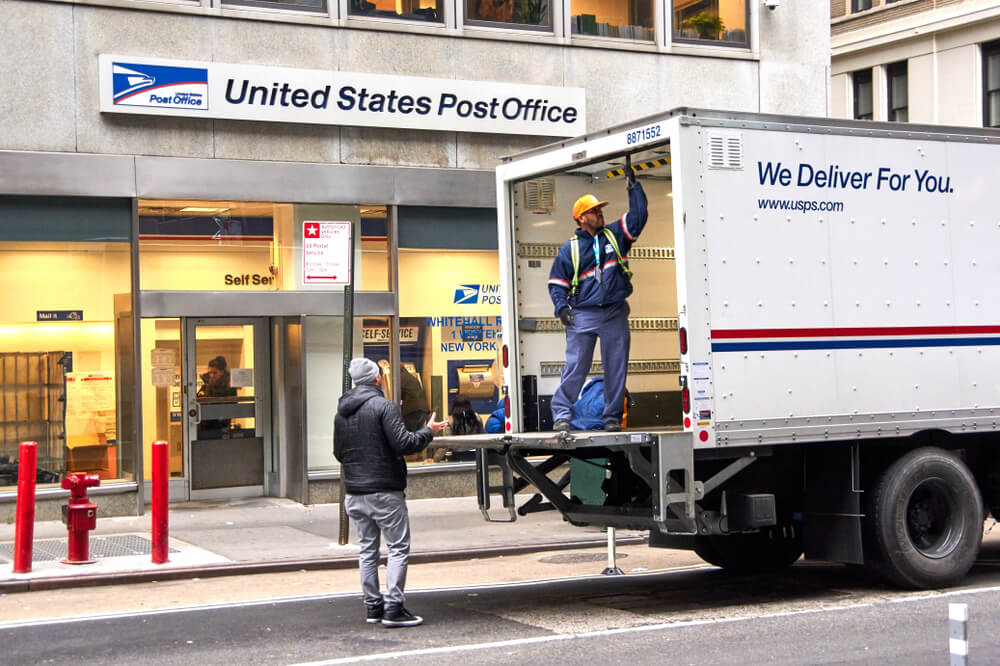
The deal also reflects a major shift in USPS strategy. For decades, the agency relied heavily on letter mail, but digital communication has dramatically reduced that business. Since taking office, Steiner has emphasized revenue growth through commercial partnerships and greater use of the Postal Service’s delivery network. The DHL agreement represents one of the clearest examples yet of that effort to transform existing infrastructure into a larger source of package-delivery income.
A Broader Parcel Delivery Push Is Underway
The DHL partnership is not occurring in isolation. USPS recently renewed its relationship with Amazon while also expanding business with UPS through the carrier’s Ground Saver service. According to USPS officials, DHL, Amazon, and UPS already account for more than $8 billion in annual last-mile delivery revenue. The agency is now actively seeking additional shipping volume from retailers, brands, and logistics providers.
Financial Pressure Remains Intense
Even with the new contract, USPS faces significant financial challenges. The Postal Service has accumulated massive losses over the past two decades and continues to wrestle with declining mail volume and high operating costs. Steiner recently warned that USPS could run out of cash by early 2027 unless Congress raises the agency’s borrowing authority, prompting measures such as freezes on nonessential spending.
Supporters See A More Business-Oriented Postal Service
The agreement has been welcomed by DHL executives, who praised USPS leadership for adopting a more commercially focused approach. DHL CEO Scott Ashbaugh said the company considered other options, including building a larger domestic network or partnering with alternative carriers, but ultimately concluded that USPS offered the best combination of reach, efficiency, and reliability. The decision suggests that private-sector logistics companies increasingly view the Postal Service as a strategic delivery partner rather than simply a government agency.
The Real Test Comes After The Signing Ceremony
The DHL deal offers USPS something it has been seeking for years: a substantial new source of predictable revenue tied to the growth of e-commerce rather than the decline of traditional mail. Whether it becomes a turning point depends on what follows. If USPS can convert its unmatched delivery footprint into additional commercial partnerships while managing costs, the agency may begin building a more sustainable financial model. If not, even a $10 billion contract could prove to be only one step in a much longer turnaround effort.