

Products are selected by our editors, we may earn commission from links on this page.
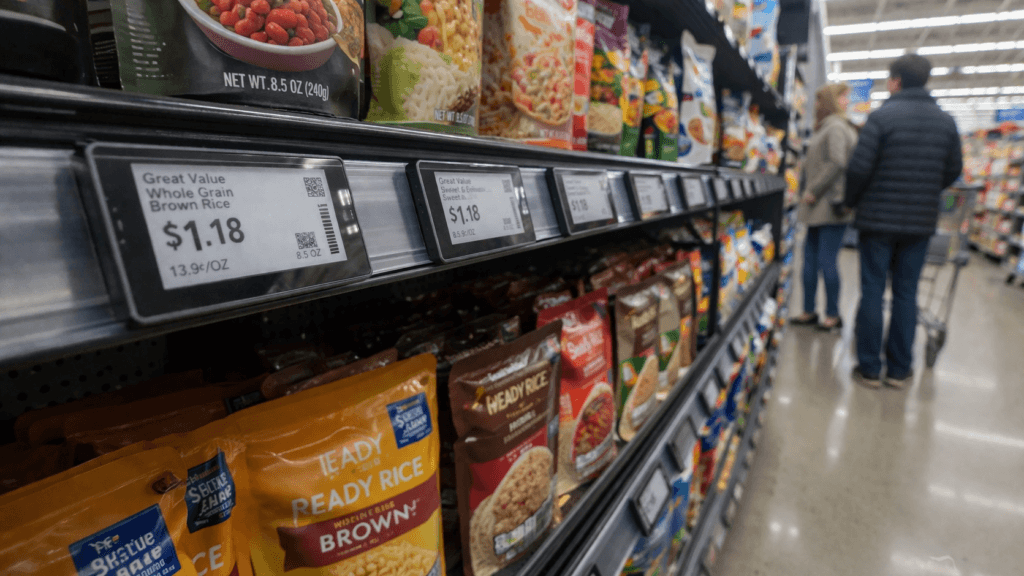
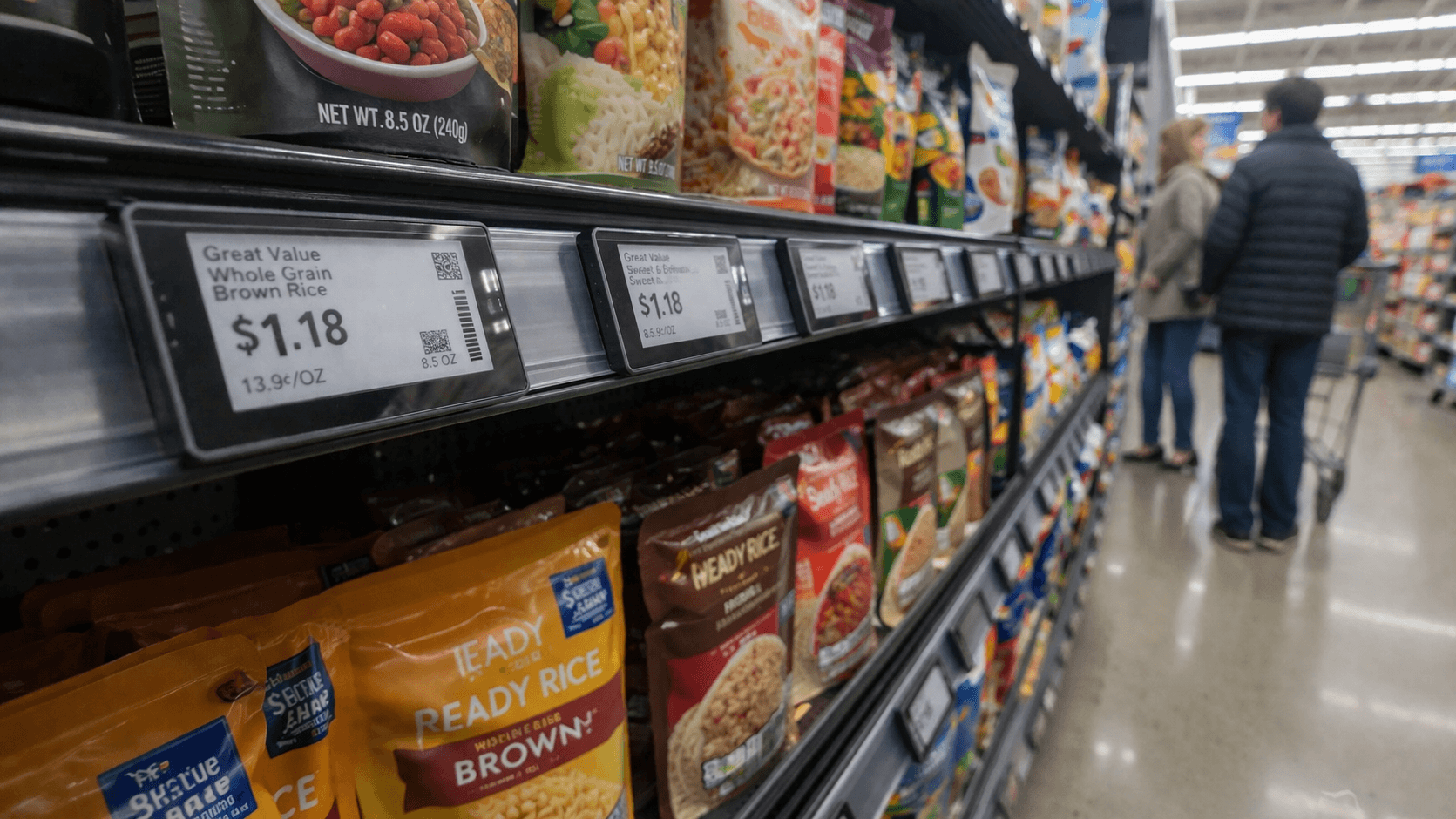
A small screen where a paper tag used to sit might not sound dramatic, but it signals a major shift inside Walmart. Shoppers are starting to spot digital shelf labels replacing traditional price cards across store aisles. The change looks subtle at first glance, yet it points to a much bigger story about automation, speed, and control in everyday retail, and that story only gets more interesting from here.
Walmart has already rolled out these electronic labels in more than 2,300 stores, with plans to bring them to every location over time. Instead of sending workers down aisles to swap paper tags by hand, the company can push updates through a centralized system. That means prices and product details can change faster, with fewer mistakes, and shoppers may soon see this technology as a normal part of the store experience.
For Walmart, this is not just a cosmetic upgrade. It reflects how physical stores are becoming more like digital platforms, where information can be updated instantly, and operations can be managed from a distance. The shelf itself becomes part of a live network rather than a static display. As that system expands, it raises a bigger question: what exactly does faster automation mean for workers and customers in the long run?
The Efficiency Pitch Behind the Screens
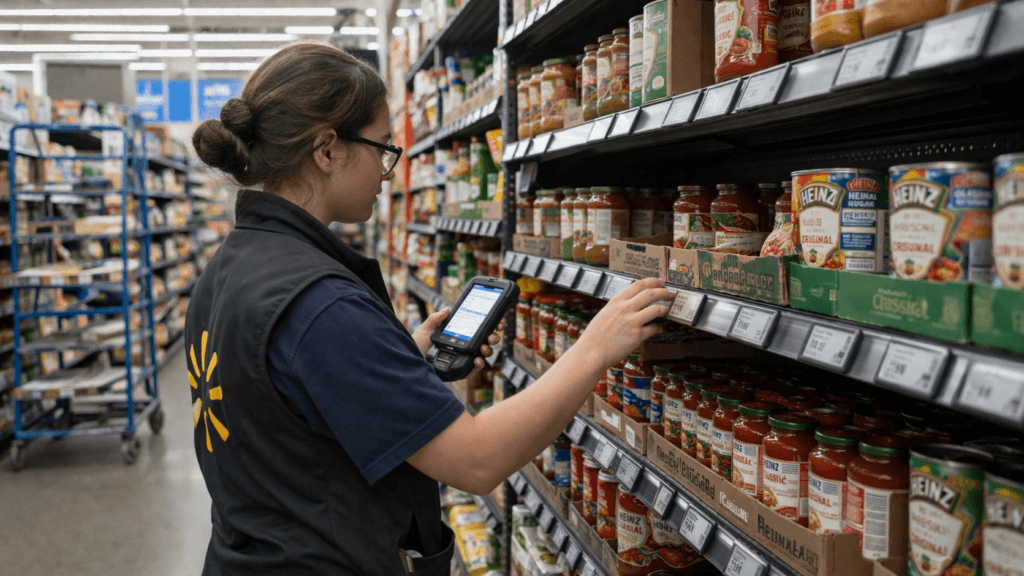
Retail giants have long sold automation as a practical fix for repetitive work, and Walmart is leaning into that logic. Updating thousands of price tags by hand takes time, pulls employees away from customers, and leaves room for human error. Digital shelf labels promise a cleaner process, where updates happen in seconds instead of hours. That pitch sounds simple, but it opens the door to a wider rethink of what store labor should look like.
Walmart says the technology helps employees focus on tasks that matter more to shoppers, such as answering questions, stocking products, and keeping aisles organized. In theory, fewer hours spent on tag changes could make stores run more smoothly and feel more responsive. Supporters of automation often argue this is the real value: not replacing people outright, but redirecting their time toward work that improves the overall experience, which is where the debate starts to sharpen.
Research from firms such as McKinsey & Company has backed the broader idea that automation can reduce repetitive tasks and create room for higher-value roles. That argument helps explain why companies across retail keep investing in systems that streamline basic operations. But efficiency gains rarely arrive without tradeoffs, and once digital labels are in place, observers begin asking whether the technology will stay limited to convenience or expand into something far more controversial.
The Pricing Fear Walmart Cannot Ignore
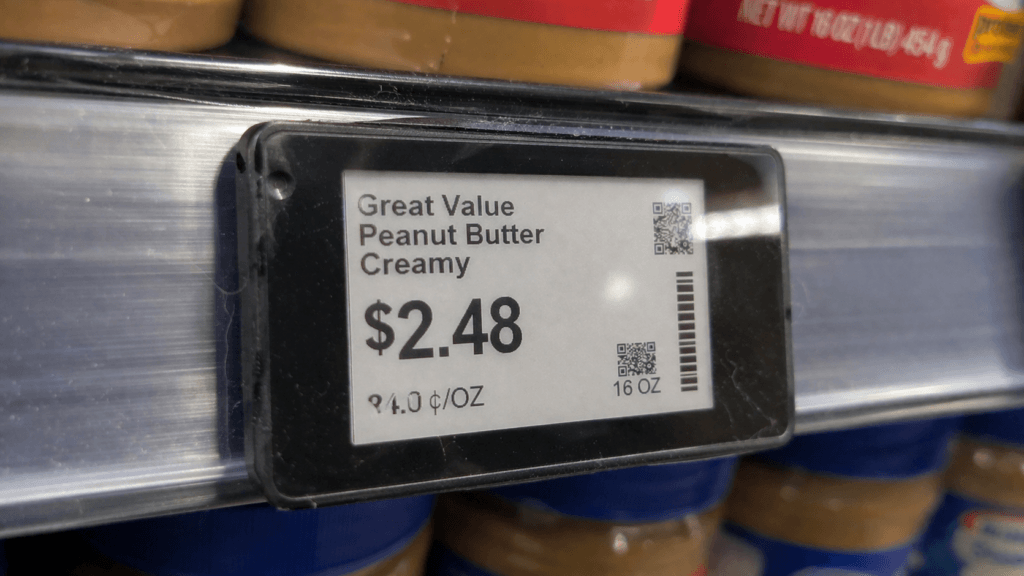
The biggest concern around digital shelf labels is not the screen itself, but what it could eventually enable. Because prices can be changed instantly, critics worry retailers could move toward dynamic pricing, where costs rise or fall based on demand, timing, or other conditions. That possibility has made some shoppers uneasy, especially in a store known for everyday low prices. Even without a policy change, the technology alone has fueled suspicion, and not without reason.
Walmart has pushed back on those fears, saying it has no plans to use digital shelf labels for dynamic pricing and that prices remain the same for all customers. That reassurance matters because trust is central to how shoppers view fairness in a store. Still, the conversation has not disappeared. Once a tool exists, people naturally wonder how it might be used later, particularly when the capability seems built into the system itself.
That tension, between current policy and future possibility, is what keeps the issue alive. Experts and industry observers note that a company may not be using a feature today while still holding the power to activate it later. For shoppers, that creates a transparency problem as much as a pricing one. If automation can quietly change how stores operate, then customers may start demanding clearer rules about where the limits actually are.
What Walmart’s New Labels Could Mean for the Future of Work
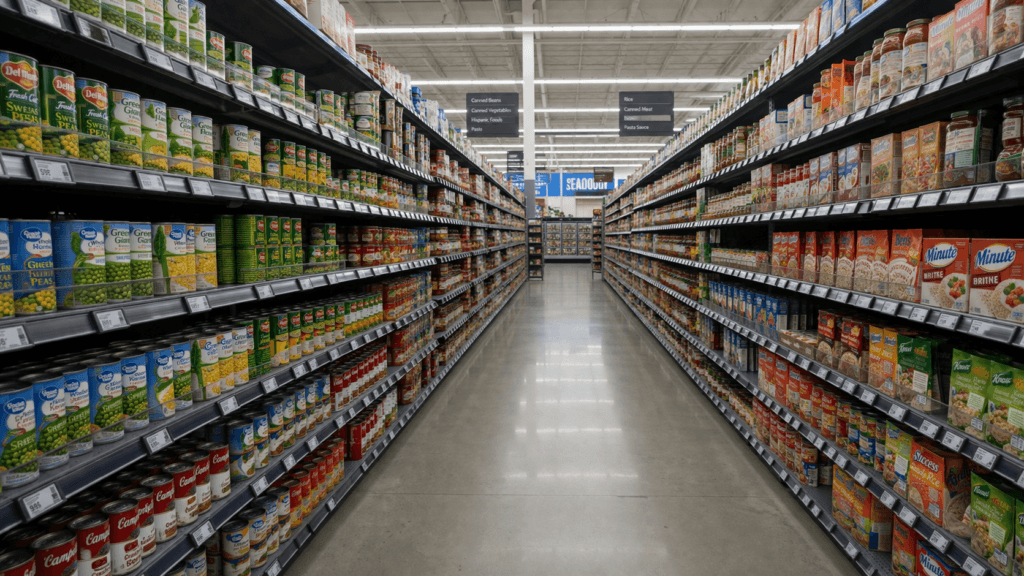
Pricing is only part of the story. Digital shelf labels also hint at how retail jobs may change as more routine tasks are handed to automated systems. Replacing paper tags has never been the most glamorous part of store work, but it has been real work all the same. When those duties disappear, companies often promise employees will move into more useful roles, yet the longer-term impact on staffing remains uncertain, and that uncertainty matters.
Walmart, like many major retailers, wants to grow sales and improve efficiency without expanding its workforce at the same pace. Technology helps make that goal more realistic. Some analysts see this as a manageable shift that will improve store operations without triggering dramatic job losses. Others view it as part of a slower transformation, where fewer labor hours are needed over time, and staffing models gradually adjust in ways shoppers may not immediately notice.
That is why a small digital tag carries such outsized meaning. It represents convenience, efficiency, and a smarter retail system, but it also reflects deeper changes in pricing power, worker roles, and corporate strategy. Walmart’s aisles may look nearly the same on the surface, yet the logic underneath them is changing fast. As more stores adopt the technology, the real question is not whether shoppers will notice, but what they will accept next.