

Products are selected by our editors, we may earn commission from links on this page.

If you’ve ever felt overwhelmed by crowded trains, drained by constant noise, or strangely disconnected in a place full of people, evolutionary scientists say your reaction is completely valid.
For most of our species’ history, humans lived in small, tight-knit groups surrounded by nature, not in high-rise apartments and six-lane highways. Cities are a very new environment for our brains, arriving only in the last whisper of evolutionary time.
This mismatch between ancient wiring and modern living helps explain why so many people feel restless or burnt out today. And it’s also why trends like slow living, nature retreats, digital detoxing, and small-town migration resonate so deeply. In many ways, people aren’t just craving a lifestyle change but are also instinctively returning to conditions that feel more natural to our biology.
Here’s what scientists have uncovered about why modern cities challenge our minds and bodies in ways we don’t always recognize.
The Social Mismatch

Humans evolved to connect within small circles of about 25 to 150 people, according to anthropologists, where face-to-face relationships and long-term trust shaped daily life. Cities flip that entirely. We move among strangers, rely on transactional interactions, and maintain social ties through phones rather than in-person relationships. It can leave people feeling socially full yet emotionally empty.
Researchers have found that this social mismatch contributes to higher rates of anxiety and depression in dense city environments. Without consistent community support, even small challenges can feel heavier than they should. Families moving to cities also lose the extended networks that traditionally helped with childcare, shared responsibilities, and emotional support.
These pressures may be one reason people feel drawn to smaller towns, slower routines, and quieter communities. The trend isn’t from a desire to return to the past. It’s that these environments bring back the natural sense of closeness humans need to feel grounded.
The Physical and Environmental Mismatch
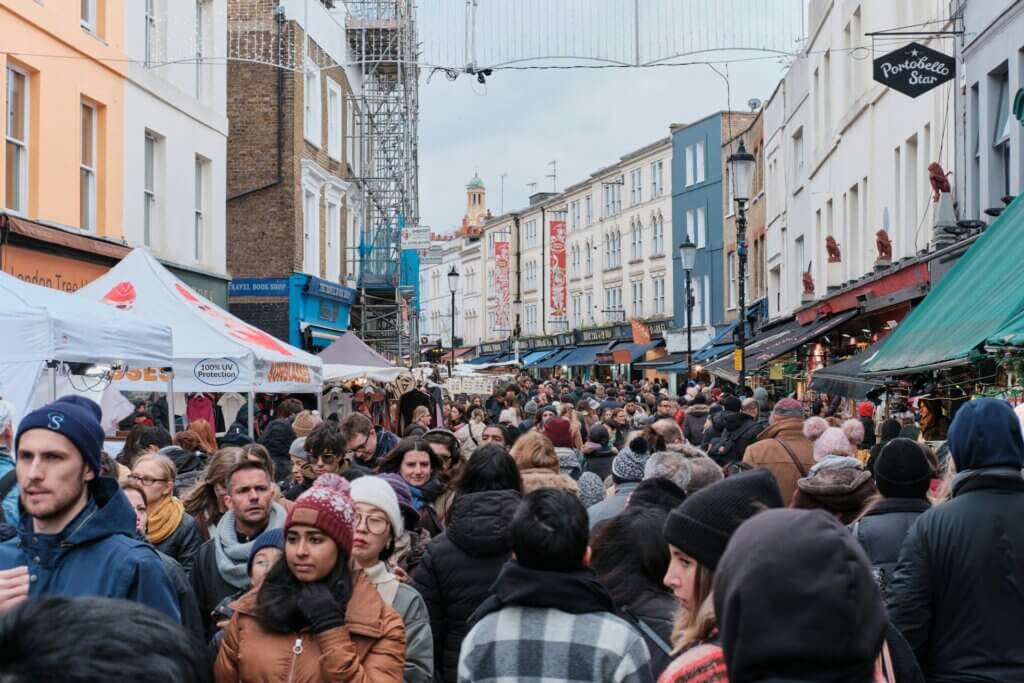
Modern cities challenge our senses, our bodies, and our stress thresholds. Humans weren’t built for constant noise, limited sunlight, and long hours sitting indoors. Urban design contributes to rising chronic illnesses, from diabetes to heart disease, because it keeps people sedentary, overstimulated, and often disconnected from natural rhythms.
In contrast, studies show that nature replenishes us quickly and reliably. Green spaces can lower stress, restore attention, and lift mood even in brief exposure. This response is rooted in biophilia, the innate pull toward natural landscapes that once meant safety, food, and stability. It’s also why social media feeds are filled with people hiking in forests, booking weekend nature cabins, or escaping to coastal towns to “feel human again.”
Urbanization continues to accelerate, with 65% of the global population expected to live in cities by 2050, but the rising popularity of nature retreats, off-grid travel, and screen breaks shows how strongly people are seeking balance.
A Path Back to Balance

Evolutionary experts aren’t suggesting we abandon cities. Instead, they argue that cities must adapt to us, not the other way around. That means designing neighborhoods with accessible parks, nature corridors, walkable layouts, and places where genuine community can form. These elements reduce stress, support mental health, and create environments that feel more aligned with human needs.
At the same time, people are taking matters into their own hands. Many of us are unplugging from social media for mental clarity, choosing slow-living routines, seeking out nature-focused vacations, and even relocating to quieter towns where life moves at a gentler pace.
These choices reflect a deeper truth highlighted in evolutionary research that humans do best when life feels grounded, connected, and intertwined with the natural world. As cities continue to grow, weaving those elements into everyday life may be the key to helping people not just survive urban life, but truly thrive within it.