

Products are selected by our editors, we may earn commission from links on this page.

Where you live shapes far more than your daily routine. A growing body of research now shows that neighborhood conditions, from economic stability to environmental complexity, can leave visible marks on the brain. New studies reveal that ZIP codes may predict differences in memory-related brain structures and potential dementia risk. Together, these findings point to the surprising ways place becomes biology.
How ZIP Codes Enter the Conversation

Researchers across multiple institutions have begun mapping brain health against the social and physical landscape of ZIP codes. Their work suggests neighborhoods are more than backdrops; they act as long-term exposures that can shape cognitive aging. This shift reframes dementia risk as a product of both personal and place-based factors.
The Brain Regions Under Study
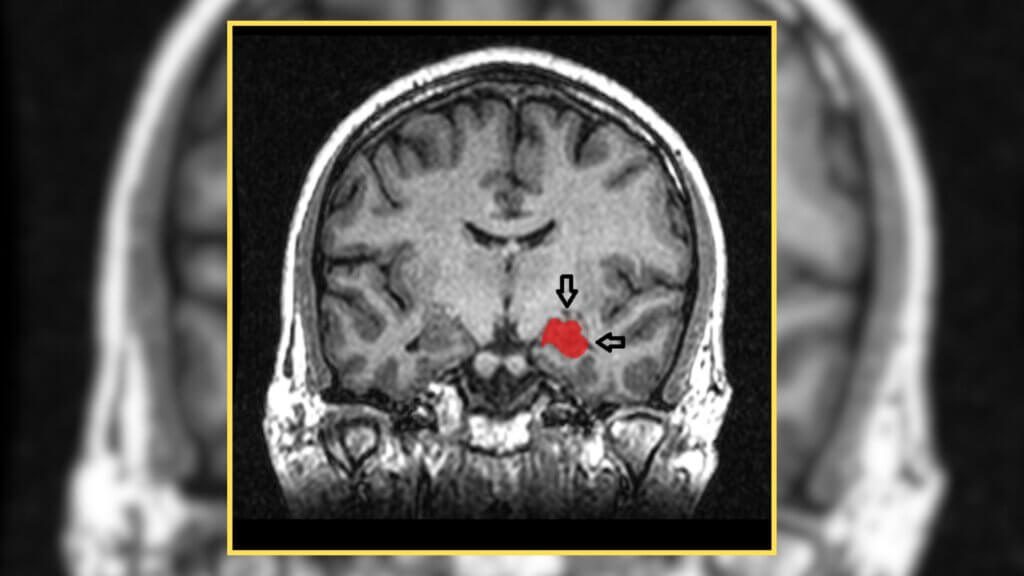
Several studies focus on the hippocampus and nearby structures that support memory and spatial navigation. These areas often shrink early in Alzheimer’s disease, making them strong markers of cognitive vulnerability. Measuring their volume offers a window into how environmental conditions may influence brain aging.
Disadvantaged Neighborhoods and Smaller Memory Centers

A study from the Wisconsin Alzheimer’s Disease Research Center found that adults living in the most disadvantaged neighborhoods had hippocampal sizes about 4% smaller than those in better-resourced areas. That difference is similar to having four to seven extra years of brain aging. Notably, everyone in the study still had normal cognitive function at the time of the scans.
Understanding Disadvantage Beyond Income

Researchers used tools like the Area Deprivation Index to measure neighborhood conditions, including housing quality, education levels and access to basic needs. Even after factoring in a person’s own education and heart-health risks, the neighborhood itself still showed a strong link to brain structure. This suggests that the stresses and limitations of a community can build up in ways the brain can reflect.
What Early Biomarkers Reveal

In a seperate study from Wake Forest University School of Medicine, people living in neighborhoods facing more social and environmental challenges showed early signs of brain stress. Their brain scans revealed a thinner outer brain layer and less steady blood flow—changes linked to circulation problems and future memory decline. These effects were strongest in participants from ZIP codes with the highest levels of hardship.
The Spatial Navigation Clue

A third study from the University of Texas at Dallas introduced a striking insight: ZIP code geography itself may influence brain health.
Researchers found that people who live in places with more complicated street layouts, like winding roads, lots of turns or many landmarks, tend to do better on navigation tests. Their brains also show healthier activity in the areas needed for finding your way around, which are the same areas that can decline early in Alzheimer’s disease.
This suggests that environmental complexity may act as a natural cognitive exercise.
A Reveal in the Map

The UT Dallas team discovered that people with bigger “navigation” parts of the brain usually scored better on thinking tests. Living in places where you have to remember directions or use landmarks may give those brain areas more practice. That extra mental workout could help protect the brain over time, not just increase risk.
When Environmental Burden and Complexity Converge

Together, the studies show that different ZIP codes influence the brain in different ways. Living in areas with more hardship or environmental problems can leave clear signs in the brain, while living in places with more complex layouts may help keep certain brain pathways strong. These studies suggest that our everyday surroundings quietly shape how well our brains age.
What These Findings Mean for the Future

Researchers emphasize that your ZIP code doesn’t determine your future, but it does show the kinds of conditions you’re exposed to over many years. Their findings point to ways communities can be strengthened through better housing, cleaner environments and fair access to resources. The overall message is simple: when neighborhoods improve, brain health may improve too.