


Products are selected by our editors, we may earn commission from links on this page.

Oregon ranked second in the country for unsheltered unaccompanied youth in 2024, according to the U.S. Department of Housing and Urban Development. Research from the University of California, Berkeley, had separately found that 18-to-24-year-olds carry higher poverty rates than any other age group. The push toward a new approach, Matthew Rasmussen, the program’s manager, later recalled, came from an unexpected place: a young woman who stood up during a statewide assessment and made the case for direct cash access.
Because, beyond the shelters, outreach programs, and services being discussed, what young people needed was a way out of homelessness that didn’t run through a slow, system-heavy process. In February 2023, the Oregon Department of Human Services began issuing $1,000 monthly payments to 120 homeless young people across Multnomah, Clackamas, and Deschutes counties. Participants had to be between 18 and 24, express a genuine desire to become housed, and the payments continued for 24 months, wrapping up in January 2025.
When the pilot concluded, Rasmussen called the results “encouraging and a worthwhile investment.” An evaluation drawing on responses from roughly half of the 120 participants found significant housing gains, faster exits from homelessness, and evidence that participants had sharpened their financial literacy, picking up skills around budgeting and credit-building that many said helped them get out of harmful or precarious living situations.
Who Qualified, Who Was Prioritized, and What the Money Could Actually Cover

To be considered, applicants had to be actively experiencing homelessness and express a genuine desire to secure housing. Beyond that, the program prioritized groups that are historically overrepresented in homelessness counts. The Native American Youth Association, one of the community-based partners involved, helped ensure Native youth were among those reached. Rasmussen described the selection as tiered, starting with housing status and then accounting for specific population needs from there.
The participant pool reflected those priorities. Young parents accounted for 43% of enrollees by the program’s close, and 46% reported prior experience in foster care or the justice system. Women made up the majority of participants; 30% were male, and 18% identified as transgender or gender inclusive. Survey responses from about half the group also found that 80% had lost stable housing due to some form of family disruption.
Beyond the monthly payment, participants had access to a one-time $3,000 enrichment fund they could draw on across the two-year period. That money went toward a range of needs, from housing and school expenses to vehicle purchases and building savings. Participants also met regularly with case managers and connected with community-based organizations, wrapping a support structure around the cash itself.
The Results Came Back Stronger and Faster Than Rasmussen Expected

The evaluation’s headline number was a 94% housing rate among the 63 participants who completed long-form surveys. A shorter, separate survey of 107 participants returned a figure of 91%, keeping both measures consistent. What surprised Rasmussen was not just the final percentage but how quickly it arrived. Early check-ins with community partners showed dozens of participants signing leases each month, a pace he said nobody had anticipated going in.
Gabi Huffman, a Bend resident and former participant now working as a youth consultant, said the unrestricted cash gave her room to focus on her own needs without juggling multiple systems at once. She spent money on car insurance, therapy, school costs, and everyday household items. “Just one year after completing the program, I’m in my own place, halfway through a business degree, focused on building a stable, secure foundation for my daughter and myself…” she said.
A common concern around no-strings-attached cash programs is that young recipients will not use the money wisely. The survey data suggested otherwise. Participants largely used the funds to cover practical needs and stabilize their daily lives. Rasmussen said what young people actually want is often misread. “They want to feel valued, they want to feel productive, they want to feel a part of a community,” he told OPB’s Think Out Loud in January 2026.
Oregon Has Already Launched a Second Phase, Expanding the Program’s Reach Across the State
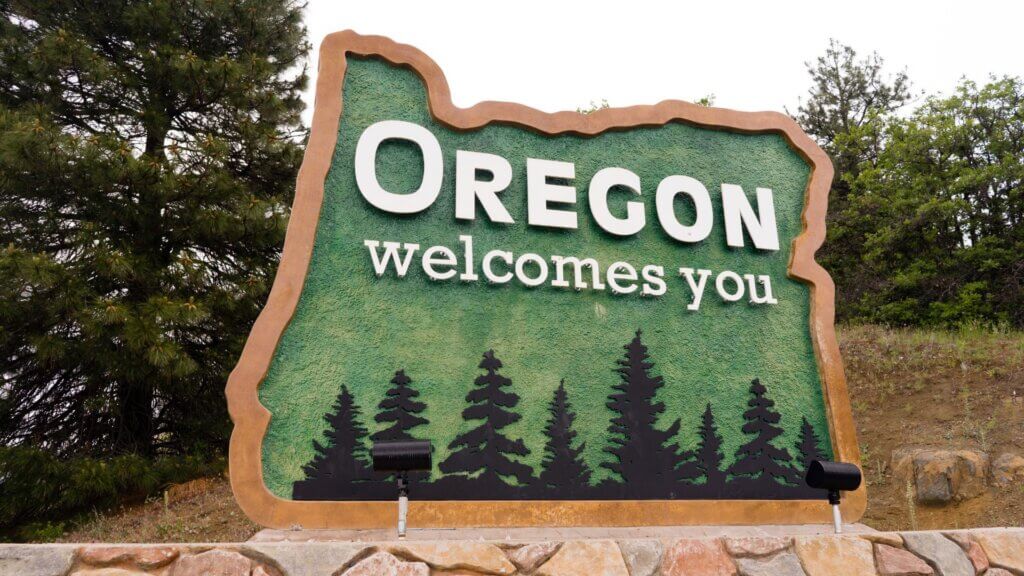
A second cohort is already in progress. The latest round expanded into Jackson County, bringing the program to a fourth county, with payments beginning in September. Funding for the new phase combines $240,000 in legislative appropriations with a $1 million grant from the Oregon Community Foundation. Oregon was only the second location in the country to launch a youth-specific direct cash transfer program, following New York City, which piloted the model first.
Larry Cohen, cofounder and executive director of Point Source Youth, the organization that provided technical assistance to Oregon throughout the pilot, said the results aligned with what New York had already shown. “…When you cover the real cost of shared housing directly for two years, and pair it with support, young people stay housed,” Cohen said. “This isn’t complicated. Stability takes time, and flexible cash gives young people the breathing room to build it.”
For Rasmussen, the broader argument for this kind of program comes down to prevention. “If somebody is really wanting to explore how to slow and end chronic homelessness among adults, then we need to do something to stop young people from entering it,” he said. Direct cash transfers, he added, complement rather than replace the crisis services young people still need, and can help move them through those systems more quickly, or around them altogether.