

Products are selected by our editors, we may earn commission from links on this page.
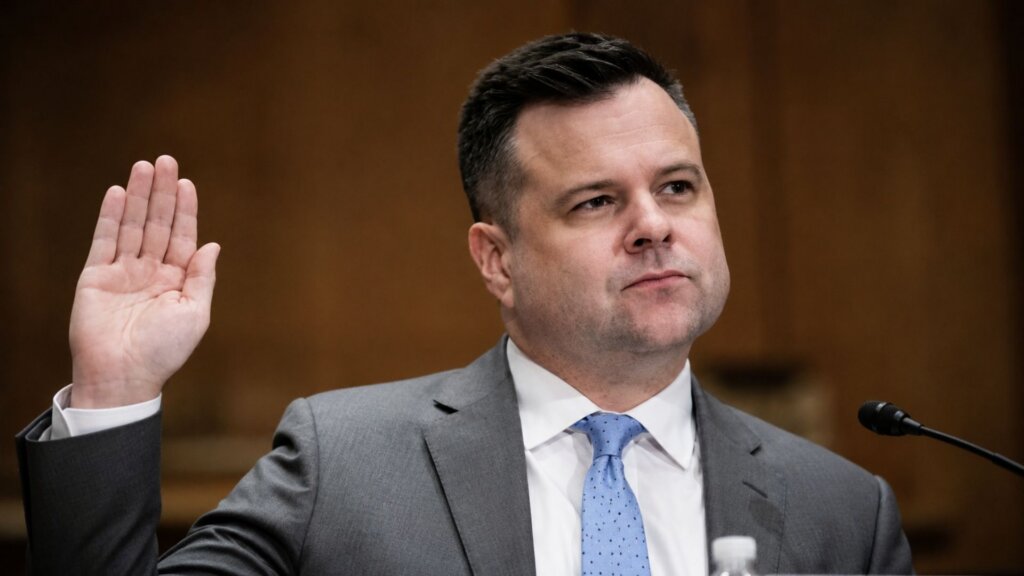
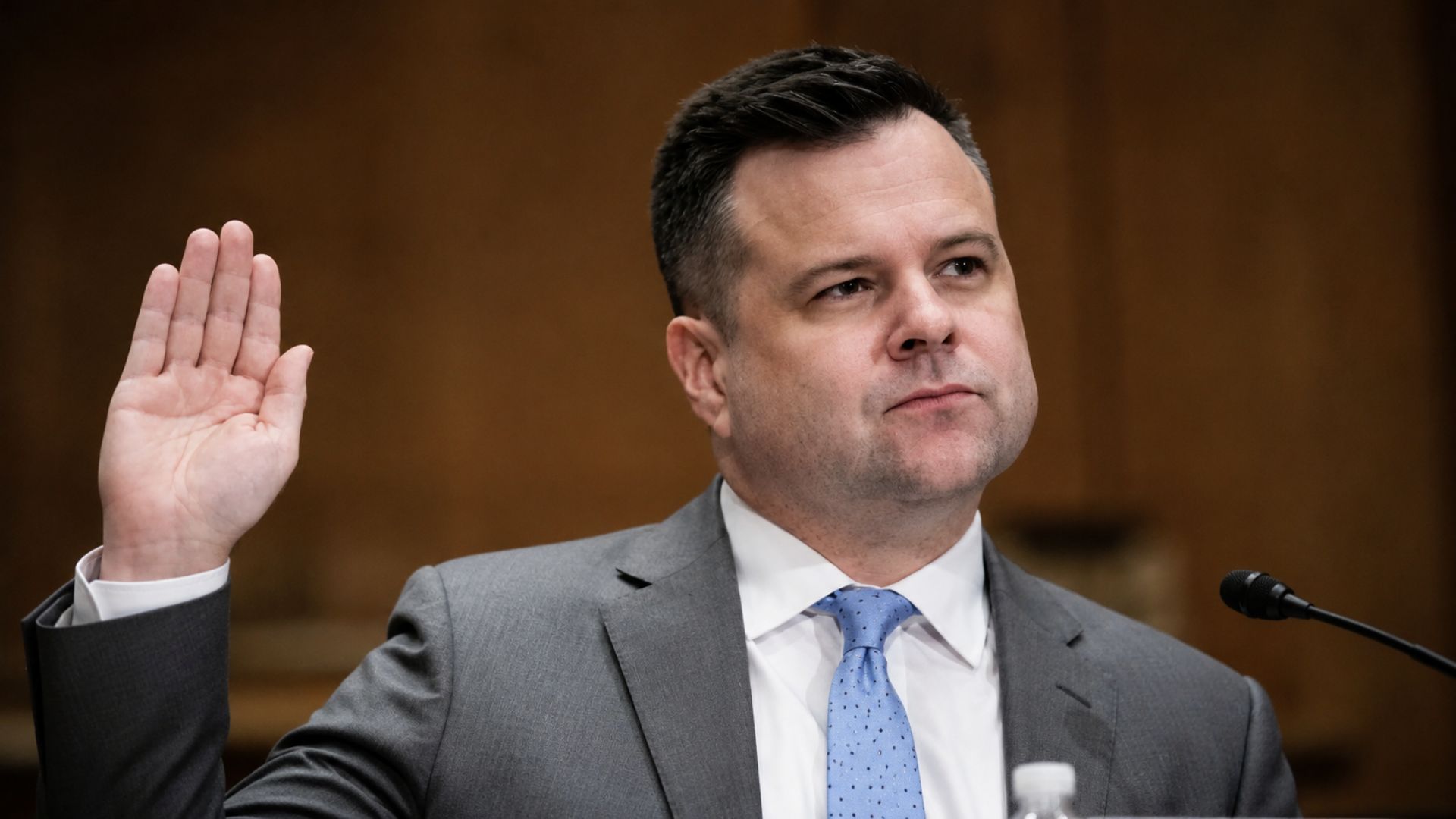
The man now in charge of America’s 18 intelligence agencies has never served in the military, never worked in law enforcement, never held a diplomatic post, and has no congressional or intelligence community experience. President Donald Trump announced he is appointing Federal Housing Finance Agency Director Bill Pulte as acting director of national intelligence, replacing Tulsi Gabbard, who is stepping down at the end of June. The choice landed in Washington like a live grenade.
Pulte runs the Federal Housing Finance Agency, which oversees Fannie Mae and Freddie Mac, and in that role used his access to mortgage records to refer some of Trump’s most prominent opponents for prosecution. Trump justified the appointment by pointing to Pulte’s financial oversight experience, posting on Truth Social that Pulte had “deep experience managing the most sensitive matters in America.” Pulte was confirmed as FHFA director in March 2025 in a 56-43 vote, with three Democrats voting in favor. But managing mortgage markets and running the nation’s spy apparatus are not the same job.
Trump said Pulte will remain FHFA director and chairman of Fannie Mae and Freddie Mac while simultaneously serving as acting DNI. Pulte’s background is rooted in real estate: his grandfather founded PulteGroup, one of the country’s largest homebuilders. His path into Trump’s orbit ran through a Mar-a-Lago membership and substantial donations to the president’s campaign. Among some insiders, the Wall Street Journal has reported, his nickname is “Little Trump.”
This article was created with the assistance of AI and reviewed by our editorial team for accuracy and clarity.
Pulte Turned a Housing Regulator Into a Political Weapon. The Intelligence Community Could Be Next
At the FHFA, Pulte moved quickly and aggressively. He sent criminal referrals to the Justice Department alleging mortgage fraud against Federal Reserve Governor Lisa Cook, New York Attorney General Letitia James, Senator Adam Schiff, and former Representative Eric Swalwell. All four denied wrongdoing, and only the case against James resulted in charges, which were later dismissed. Critics say this record is a preview, not an anomaly.
Pulte reportedly removed ethics officials at Fannie Mae who were examining whether he had improperly accessed sensitive mortgage data. The Government Accountability Office, Congress’s nonpartisan watchdog, opened a formal investigation into Pulte in December. The administration pursued allegations against James multiple times. In March 2026, there were two criminal referrals against her, just months after a federal grand jury rejected an indictment. A judge later ruled the appointed prosecutor had been unlawfully placed.
According to three people with knowledge of Trump’s decision, Pulte won the president’s confidence by taking swift action against prominent Democratic critics. He has Trump’s ear, shares his sense of urgency, and is a regular presence at the White House and at Trump’s Florida properties. White House officials reportedly instructed staff at Trump’s Virginia golf club not to let Pulte catch the president unattended, a sign of how his unfiltered access worried even those close to Trump.
Republican Senators Call Pulte Unqualified. The Law May Agree With Them

The backlash was immediate and crossed party lines. Senator John Cornyn, Republican of Texas, said: “The Senate doesn’t have any role to play in terms of confirming acting officials, but I see no evidence of any qualifications for that job.” Senator Bill Cassidy, Republican of Louisiana, was equally blunt: “The best I can tell you is he’s not qualified, but I don’t know anything about him other than that.” Senate Majority Leader John Thune warned: “We don’t need a weaponized DNI. We need professionals there.”
The law that created the Office of the Director of National Intelligence explicitly stipulates that any replacement in the event of a vacancy “shall have extensive national security experience and management expertise.” Senator Mark Warner, the top Democrat on the intelligence committee, argued Pulte falls well short of that bar, noting the ODNI was created specifically in response to the intelligence failures that allowed the September 11 attacks to succeed. Warner stated plainly: “Mr. Pulte has none of that. Zero. No time in the military. No time in Congress. No time in the diplomatic corps. No time in law enforcement.”
Senator Mitch McConnell, without naming Pulte directly, drew a firm line: “Anyone performing this role of such immense public trust must have the extensive national security experience required by statute, and no nominee who falls short of this requirement will earn my vote.” Senators Bill Cassidy, Susan Collins, and Lisa Murkowski subsequently voted for a Democratic amendment that would bar Pulte from serving as acting DNI while simultaneously holding the FHFA position. The amendment failed, but the signal was unmistakable.
An “Attack Dog” Now Holds the Keys to America’s Secrets
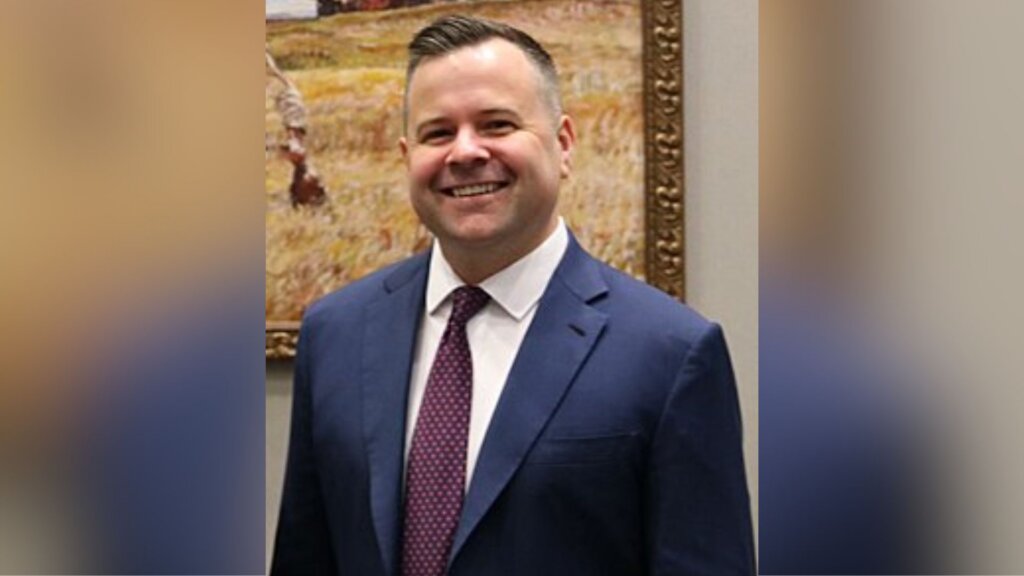
Analysts warn that placing Pulte atop the intelligence community gives a political operative access to the country’s most closely guarded secrets, and that the move risks further politicizing an office designed to deliver objective assessments to the president. A former CIA station chief, speaking anonymously to discuss intelligence concerns, said appointing a “lapdog” to the role signals that Trump has no respect for what the DNI is supposed to do.
Senator Warner argued that Pulte was selected not because the White House wants accurate intelligence, but because it wants intelligence shaped to fit a preferred narrative. “The president has chosen an official who has demonstrated not just willingness but eagerness to use the authorities of government to pursue political retribution,” Warner said. Senator Adam Schiff, one of Pulte’s targets at the FHFA, posted that Pulte “politicized and weaponized the housing agencies and will do the same in the intelligence community.”
Under the Federal Vacancies Reform Act, Pulte can serve as acting DNI for up to 210 days without Senate confirmation. If Gabbard’s departure takes effect June 30, that clock runs through late January, potentially pushing any confirmation fight into the next Congress. What Pulte does with that window, and with unrestricted access to the work product of 18 intelligence agencies, is a question Washington has no good answer to yet. The office he now leads was built after a catastrophic intelligence failure. His critics say handing it to a political enforcer courts another kind of catastrophe entirely, and Republican senators who rarely break with the president are, for once, saying so out loud.